

Starting home care can feel like a big step for both seniors and their families. Whether you’re arranging support for yourself or a loved one, understanding the process ahead can help ease concerns and set realistic expectations.
One of the first steps you’ll take is the initial home care assessment, a visit designed to learn more about your needs, your home environment, and how best to support your health and independence.
This guide breaks down a typical initial assessment: what it looks like, what you need to prepare for it, and how the visit helps your care provider deliver personalized, safe, and respectful services.
What Does a Home Care Assessment Cover?
Physical and Functional Health
We’ll ask about chronic conditions (like diabetes, COPD, or heart disease), recent surgeries, hospital stays, and any concerns you’re currently facing. This helps us better understand the scope and urgency of care needed, including whether the client may benefit from condition-specific care management.
A medication review is another essential aspect of home health care intake. We’ll review a list of medications and ask when they’re taken, who handles refills, and whether reminders are needed.
Understanding your daily routine — mealtimes, personal care, sleep patterns — helps us build a care plan that works around your life, not the other way around.
Safety and home environment
Part of the in-home care evaluation process includes a safety check of the home environment. We look at things like:
- Whether there are clear hallways and corridors
- If stairs or elevators are used
- If the client uses a walker or a cane
- Whether the bathroom is equipped with grab bars or non-slip mats
- How well-lit the space is, especially at night
This is not a code inspection — just a thoughtful look at how we can make the space safer.
Cognitive and emotional health
Hidden conditions like dementia and depression may be less obvious than physical health conditions, but they’re no less crucial to detect. We’ll conduct standardized assessments that evaluate for:
- memory deficits
- anxiety
- depression
- Loneliness or social withdrawal
- Poor concentration
- Difficulty with regular tasks
This helps your home care provider to prepare a care plan that provides the proper level of supervision and emotional support.
Support system and care preferences
The best home care plans are carefully tailored to the needs and wants of the individual and their family. We’ll take a close look at your existing care and discuss what you’d like it to look like in the future. During the assessment, we may ask about:
- Whether family members or other caregivers are involved in care
- Who helps with appointments, meals, or daily tasks
- Personal routines and communication preferences
- The type of support the client feels most comfortable receiving
Who Conducts a Home Care Assessment?
Your assessment will be conducted by a clinician or other trained professional who knows how to assess for risk, ask the right questions, assess for risk, and recommend appropriate services:
Registered nurses
Registered nurses — and other licensed medical professionals like occupational therapists — will evaluate medical needs, medications, mobility concerns, and overall health status.
Social workers and case managers
Social workers and case managers help assess emotional well-being, support systems, care coordination, and community resources.
How Long Does a Home Care Assessment Take?
Most home care assessments take between one and two hours, though they may be slightly shorter or longer depending on the client’s needs. If the client has complex medical conditions or is transitioning home after a hospital stay, the assessment may take longer.
How to Prepare for Your Home Care Assessment
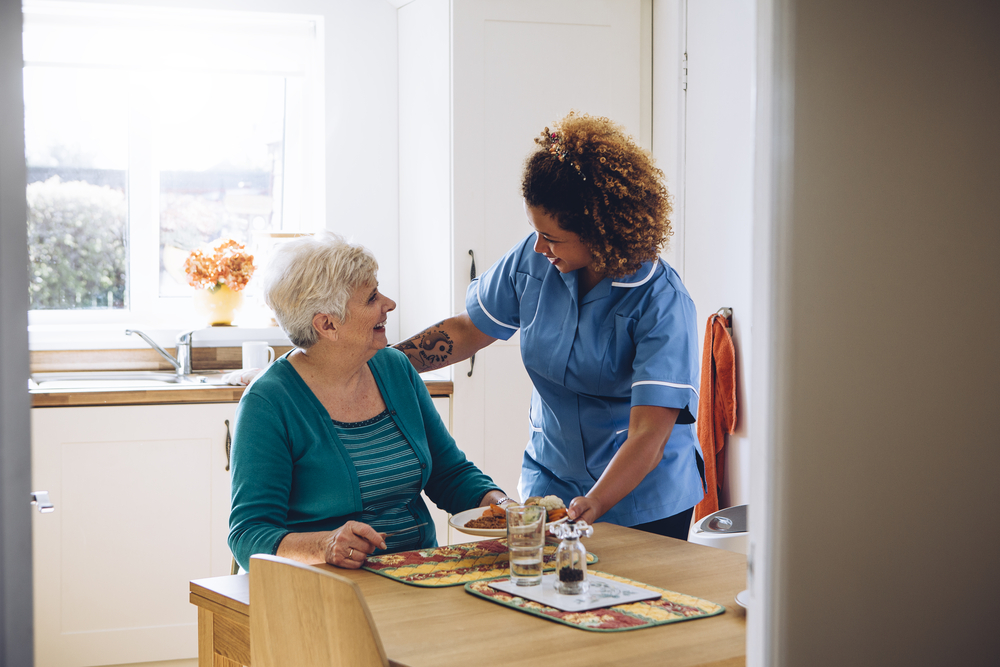
There’s no need to deep clean or make major changes before the visit. The goal of your home care provider is to understand the situation as it really is so that they can make helpful recommendations.
Information to have ready
You don’t need to memorize every detail, but having a few things handy will help the process go smoothly. Be prepared to share:
- A list of current medications (prescriptions, over-the-counter, and supplements)
- Contact information for primary care physicians and specialists
- Medical history, including recent hospitalizations or chronic conditions
- Details about mobility challenges, memory issues, or personal care needs
If you’re supporting a loved one, bring any documents or records you have access to. We understand that caregivers are often juggling a lot — just do your best, and we’ll help you from there.
Questions to bring to the visit
The in-home assessment is a great opportunity to get answers to any questions about care, scheduling, safety, and next steps. The following questions will help you get a better feel for the home care experience:
- What services would you recommend based on our current needs?
- How are caregivers screened and matched with clients?
- Will we have the same caregiver consistently?
- How will family members receive updates about care?
- How are emergencies or schedule changes handled?
- Are services covered by Medicaid, insurance, or private pay?
- Will you prepare a care plan? If so, what is your process for doing so?
How to talk with your loved one beforehand
Choosing to start home care can often bring up difficult emotions, including fears about losing personal autonomy. Having open conversations with your loved one before the assessment will empower them and ensure their specific questions or concerns are addressed during the visit. You’ll also want to reassure the patient that the visit is an opportunity to determine the type of support that helps them remain safe and comfortable at home.
What Happens After the Assessment?
How your care plan is created
After the visit, you’ll receive a written care plan outlining the services that will be provided. This plan will include the frequency of visits, what the caregiver or nurse will help with, and any follow-up needs.
How caregiver matching works
Once the plan is in place, we’ll schedule services that work with your preferred timing. You’ll have a chance to meet your assigned caregiver or nurse, and we’ll stay in communication to ensure a smooth start. Our team is flexible and responsive — if something’s not working, we’ll make adjustments.
Family caregivers are essential partners in care. We’ll keep you in the loop, provide updates, and answer questions as they come up. Whether you live with your loved one or support them from a distance, we’re here to help coordinate.
Americare’s Commitment to Quality Home Care
At Americare, we believe home is where the best care begins. Our goal is to provide professional, compassionate home care across all five boroughs — whether you’re in Queens, Park Slope, or the Upper West Side. From your very first interaction with our team, you can expect a supportive experience that makes life easier for both clients and caregivers.
Not sure if home care is the right step for your loved one? Check out these helpful signs that your aging parent needs assistance.
Frequently Asked Questions About Home Care Assessments
What does a home care assessment consist of?
A home care assessment is conducted by a licensed clinician or social worker to review the client’s medical history, daily routines, home safety, and emotional well-being. This thorough process helps home care providers to develop tailored care plans for seniors and other adults in need of extra support at home.
How much does a home care assessment cost?
Home care assessments are usually free of charge, though this varies by provider. Assessments for more specialized care may involve additional fees.
Does Medicare pay for home safety assessments?
Yes, Medicare may cover home safety assessments when ordered by a doctor as medically necessary, such as for those at high risk of falling.
What are the 5 stages of home health assessments?
Home health assessments typically include five general stages:
- Information gathering and medical review: Gathering information about medical history, medications, recent hospitalizations, chronic conditions, and current health concerns.
- Physical and functional health evaluation: Assessing mobility, strength, balance, pain levels, and the client’s ability to manage activities of daily living.
- Home safety assessment: Evaluating for potential safety risks, including fall hazards, poor lighting, inaccessible bathrooms, or mobility obstacles.
- Cognitive and emotional health screening: Conducting standardized screenings related to memory, mood, anxiety, and social isolation.
- Development of a personalized care plan: Creating a care plan with recommended services, visit frequency, caregiver responsibilities, and any follow-up support needed.
If you’re ready to take the next step, Americare can help you schedule an in-home assessment to understand better your loved one’s care needs. We offer home health aide services and skilled nursing care at home, designed to support a wide range of health and mobility needs.
Fill out the form to get started with home care or contact our team today.