
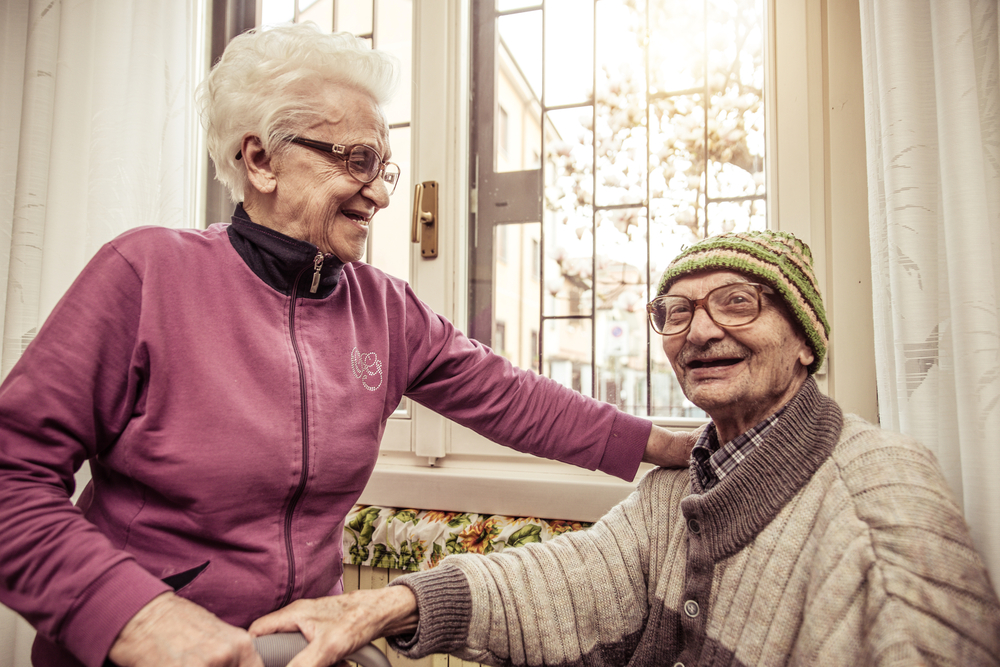
Winter in Manhattan means dealing with radiators that clang at 3 a.m., drafty windows in pre-war buildings, and hallways that turn into skating rinks when someone tracks in snow. For seniors living in apartments—whether it’s a fifth-floor walk-up in the East Village or a high-rise on the Upper West Side—cold weather brings specific challenges that don’t show up in suburban homes.
This guide walks through the winter safety issues that matter most for seniors in Manhattan apartments, with practical steps you can take right now.
Why Winter Is Harder for Seniors in Manhattan Apartments
Seniors are more vulnerable to cold weather, even indoors. As we age, our bodies don’t regulate temperature as efficiently. Circulation slows down, which means hands and feet get cold faster. Older adults also may not notice when a room is too cold until it becomes dangerous.
Manhattan apartments add their own complications. Pre-war buildings often have single-pane windows that let in drafts. Radiator heat can be inconsistent—one room is sweltering while another stays cold. Walk-ups mean navigating stairs multiple times a day, which gets harder when you’re bundled in winter clothes or the stairwell is poorly lit. High-rises can lose power during storms, leaving elevators out of service and seniors stranded.
These aren’t minor inconveniences. Cold indoor temperatures can lead to hypothermia. Slippery floors cause falls. Heating equipment misuse creates fire risks. Winter safety planning helps prevent these problems before they happen.
Keeping Your Manhattan Apartment Warm and Safe This Winter
Staying warm in a Manhattan apartment starts with understanding how your heating system works and what you can control.
Check your radiators. If you have radiator heat, make sure the valves open and close correctly. Radiators should feel warm to the touch when the heat is on. If they stay cold, contact your building management. Keep furniture and curtains at least a foot away from radiators to allow heat to circulate.
Seal drafty windows. Older windows let in cold air around the edges. Weatherstripping tape is inexpensive and easy to apply. For bigger gaps, use draft stoppers at the base of windows or hang heavy curtains to block cold air. If you’re in a rent-stabilized or rent-controlled apartment, your landlord may be required to address heating issues—document problems and follow up in writing.
Know NYC heat rules. New York City law requires landlords to provide heat from October 1 through May 31. During the day (6 a.m. to 10 p.m.), indoor temperatures must be at least 68°F when the outside temperature is below 55°F. At night, the indoor temperature must be at least 62°F regardless of outdoor temperature. If your apartment doesn’t meet these standards, contact 311 to file a complaint.
Layer clothing instead of overusing space heaters. Thermal undershirts, sweaters, and warm socks help you stay comfortable without cranking up supplemental heat. Keep slippers with non-slip soles near your bed so you don’t walk on cold floors in bare feet.
Use a thermometer. Seniors may not accurately sense when a room is too cold. Keep a thermometer in your main living area and bedroom. If temperatures drop below 65°F, add layers or turn up the heat.
For more comprehensive safety planning, review this NYC winter safety guide for additional steps.
Preventing Indoor Falls During Winter
Winter increases fall risks inside apartments. Wet floors from melting snow, poor lighting on short winter days, and bulky clothing all increase the risk of slipping.
Address wet entryways immediately. Place absorbent mats on both sides of your apartment door. When you come in from outside, take off wet shoes right away and dry the floor. Keep a towel by the door specifically for this purpose.
Improve lighting throughout the apartment. Winter means less natural light. Add lamps in hallways, near stairs, and in the bathroom. Use nightlights between the bedroom and bathroom so you don’t have to navigate in the dark. Consider motion-sensor lights for convenience.
Clear narrow hallways and walkways. Manhattan apartments often have tight spaces. Remove clutter, extension cords, and anything else that creates tripping hazards. Make sure there’s a clear path from your bed to the bathroom and from your front door to your main living area.
Secure area rugs and runners. Rugs on hardwood or tile floors can slide. Use non-slip rug pads underneath every carpet. If a rug keeps moving, it’s safer to remove it entirely than risk a fall.
Wear proper footwear indoors. Socks on hardwood floors are slippery. Wear slippers or house shoes with rubber soles that grip the floor. Avoid anything loose or floppy that could trip you.
Keep walkways to exits clear. In an emergency, you need a direct path to your apartment door. Don’t let winter coats, boots, or shopping bags pile up in the hallway.
Using Space Heaters and Radiators Safely
Space heaters can supplement radiator heat, but they’re also a leading cause of home fires. If you use one, follow these safety rules without exception.
Choose the right space heater. Look for heaters with automatic shut-off features to prevent tipping over or overheating. Avoid older models without safety certifications. Plug the heater directly into a wall outlet—never use an extension cord or power strip, which can overheat.
Keep heaters away from anything flammable. Space heaters need at least three feet of clearance on all sides. That means no curtains, bedding, papers, or furniture nearby. Never leave a space heater running when you leave the apartment or go to sleep.
Check cords and plugs regularly. Frayed cords or loose plugs are fire hazards. If you notice any damage, stop using the heater immediately and replace it.
Monitor radiator safety. Radiators get very hot. If you have balance issues or use a walker, make sure you won’t accidentally brush against a radiator when moving through tight spaces. Cover exposed pipes with foam insulation if they’re in a spot where you could burn yourself.
Never use your oven to heat the apartment. This is dangerous and inefficient. It creates carbon monoxide risks and can cause gas leaks. If your apartment is too cold to be livable, contact building management and, if necessary, file a 311 complaint.
Making Your Kitchen and Bathroom Winter-Safe
Kitchens and bathrooms are already high-risk areas for seniors. Winter makes them trickier.
Stay hydrated. Dry indoor heat can cause dehydration, which leads to dizziness and confusion. Keep a water bottle in your main living area and set reminders to drink throughout the day. Dehydration also increases the risk of falls, so this matters more than you might think.
Keep the bathroom warm and dry. If your bathroom stays cold, use a small space heater while you’re getting ready—but unplug it when you leave the room. Always use a bath mat with suction cups in the tub or shower. Wipe up water on the floor immediately after bathing.
Stock up on easy-to-prepare foods. Winter storms can make it harder to get to the grocery store. Keep shelf-stable items like canned soup, crackers, and pasta on hand. If you have limited mobility, consider delivery services or ask a neighbor or caregiver to help with shopping.
Check smoke and carbon monoxide detectors. Winter means more heating equipment running, which increases fire and carbon monoxide risks. Test your detectors monthly and replace batteries twice a year. If you don’t have a carbon monoxide detector, get one—they’re inexpensive and could save your life.
Preparing for Power Outages
Power outages happen in winter. Whether it’s a snowstorm or equipment failure, seniors need a plan that works in an apartment setting.
Assemble an emergency kit. Keep the following in an easy-to-reach spot:
- Flashlight and extra batteries (not just your phone’s flashlight)
- Battery-powered or hand-crank radio
- At least a three-day supply of medications
- Bottled water and non-perishable snacks
- Portable phone charger (keep it charged)
- List of emergency contacts, including building management, family, and neighbors
- Warm blankets
Know your building’s emergency procedures. High-rises often have backup generators for hallways and elevators, but your apartment may still lose power. Ask building management how long elevators typically stay out during outages and where emergency exits are located.
Stay in touch with neighbors. In a power outage, neighbors can check on each other—exchange phone numbers with someone on your floor. If you live alone, let a trusted neighbor know so they can knock on your door if they haven’t seen you.
Don’t use candles. Flashlights are safer. Candles cause fires, especially if you fall asleep or forget about them.
For a more detailed approach to emergency planning, see this emergency preparedness plan guide.
Winter Health Risks Seniors Face at Home
Even if you’re staying inside, winter poses health risks that families should watch for.
Hypothermia can happen indoors. If your apartment stays below 65°F for extended periods, you’re at risk. Early signs include shivering, confusion, slurred speech, and drowsiness. If you or someone you’re caring for shows these symptoms, seek medical help immediately.
Respiratory issues worsen in winter. Dry air from heating systems irritates the airways. If you have asthma, COPD, or other respiratory conditions, use a humidifier to add moisture to the air. Keep rescue inhalers accessible and follow your doctor’s winter care plan.
Isolation and depression increase. Shorter days and more challenging travel conditions mean seniors may go days without seeing anyone. Social isolation affects both mental and physical health. Schedule regular phone or video calls with family, and consider whether home health aide services could provide both companionship and practical support.
Medication management becomes harder. Cold weather can affect how medications work or how consistently you take them. If getting to the pharmacy is difficult in winter, ask about mail-order options or 90-day supplies. Caregivers can also help with medication reminders and pickups.
If you’re managing chronic conditions during winter, explore health management programs designed for seniors.
How Home Health Aides Help Seniors Stay Safe in Winter
Professional caregivers do more than provide companionship. They play an active role in keeping seniors safe during winter.
Home health aides can:
- Monitor indoor temperatures and adjust heating as needed
- Clear wet floors and entryways after snow or rain
- Prepare hot meals and ensure proper hydration
- Remind seniors to take medications on schedule
- Identify hazards like loose rugs or blocked pathways
- Assist with grocery shopping or errands during bad weather
- Check that space heaters are used safely
- Provide transportation to appointments when public transit is unreliable
For seniors living alone, having someone check in regularly makes a significant difference. Caregivers notice when something’s off and can address it before it becomes an emergency.
If you’re considering support for yourself or a loved one, start with this beginner’s guide to home health care to understand your options.
Your Winter Safety Checklist for Manhattan Apartments
Use this checklist each fall to prepare your apartment:
Heating and Temperature
- Test radiators and report issues to building management
- Seal drafty windows with weatherstripping or plastic film
- Place draft stoppers at the window and door bases
- Keep a thermometer in the main living area and bedroom
- Know NYC heat rules and how to file complaints
Fall Prevention
- Place non-slip mats inside and outside the apartment door
- Secure all area rugs with non-slip pads
- Improve lighting in hallways, bathrooms, and near stairs
- Clear clutter from walkways
- Wear non-slip footwear indoors
Heating Safety
- Inspect space heater cords and plugs for damage
- Keep heaters at least three feet from flammable materials
- Never leave space heaters running unattended
- Test smoke and carbon monoxide detectors monthly
Emergency Preparedness
- Assemble an emergency kit with a flashlight, batteries, water, and medications
- Charge portable phone charger
- Update emergency contact list
- Exchange phone numbers with a neighbor
Health and Wellness
- Stock up on medications. Request 90-day supplies from your pharmacy if possible (so you don’t have to go out in bad weather)
- Keep non-perishable food and bottled water on hand
- Set reminders to drink water throughout the day
- Schedule regular check-ins with family or caregivers
Why Families in Manhattan Choose Americare for Winter Support
Americare has been serving New York families for over 40 years. Our caregivers understand Manhattan apartments—the walk-ups, the pre-war quirks, the heating issues, the narrow hallways. They know how to navigate these spaces safely and help seniors do the same.
Winter support from Americare includes assistance with daily tasks that become harder in cold weather. Caregivers help with meal preparation, medication reminders, light housekeeping, and mobility support. They also provide companionship during months when isolation becomes more likely.
Our aides are trained to recognize winter-specific risks like unsafe heating practices, fall hazards from wet floors, and signs of hypothermia or dehydration. They communicate with families so everyone stays informed about how your loved one is managing.
Care plans are flexible. Whether you need a few hours of support each week or daily assistance, we build schedules around what works for your family. As winter conditions change or your loved one’s needs shift, we adjust accordingly.
Ready to explore your options? Get started with home care or contact our team to discuss what would work best for your situation.
What You May Be Wondering About Winter Safety for Seniors in Apartments
How can seniors keep an apartment warm without using unsafe heaters?
Layer clothing with thermal undershirts and warm socks, use draft stoppers at windows and doors, and keep curtains closed at night to trap heat. Make sure radiators are working correctly and report heating issues to building management immediately. If you use a space heater, follow all safety guidelines, including keeping it away from flammable materials and never leaving it unattended.
What are the best fall prevention steps for seniors during winter?
Place non-slip mats at entryways, secure all area rugs with non-slip pads, improve lighting throughout the apartment, and wear non-slip footwear indoors. Wipe up wet floors immediately after coming in from outside. Keep hallways and walkways clear of clutter, and make sure there’s good lighting between the bedroom and bathroom for nighttime trips.
How can caregivers help seniors stay safe in Manhattan apartments?
Caregivers monitor indoor temperatures, clear wet entryways, prepare hot meals, ensure medications are taken on schedule, and identify fall hazards. They assist with grocery shopping during bad weather, ensure heating equipment is used safely, and provide regular check-ins to reduce isolation. Professional home health aides are trained to spot winter-specific risks and address them before they become emergencies.
What should seniors keep in a winter emergency kit?
A flashlight with extra batteries, a battery-powered radio, at least three days of medications, bottled water, non-perishable snacks, a portable phone charger (kept charged), an emergency contact list including building management and neighbors, and warm blankets. Store everything in an easy-to-reach location so you can access it quickly during a power outage.
How do seniors know if their apartment is too cold?
Keep a thermometer in your main living area. If the temperature drops below 65°F, the apartment is too cold to live in safely. Signs of a dangerous cold include persistent shivering, numbness in fingers or toes, confusion, slurred speech, and extreme drowsiness. Seniors may not accurately sense cold temperatures, so checking a thermometer regularly is essential.
What NYC heat rules protect seniors during winter?
New York City requires landlords to provide heat from October 1 through May 31. During the day (6 a.m. to 10 p.m.), indoor temperatures must be at least 68°F when outdoor temperatures fall below 55°F. At night, indoor temperatures must be at least 62°F regardless of outdoor conditions. If your apartment doesn’t meet these standards, file a complaint with 311 and document all issues in writing to your landlord.