
The most important home safety steps for elderly adults in NYC include fall-proofing living spaces, making bathroom modifications, and preparing for emergencies, with extra attention to the unique challenges of walk-up apartments and elevator buildings. This guide covers the key hazards, a room-by-room checklist, and aging in place safety NYC families can start applying today.
For older adults in New York City, aging in place often involves additional considerations for at-home safety and emergency preparedness. Besides common home safety measures like clearing clutter and installing grab bars, NYC seniors may also need to address the unique risks posed by elevators, staircases, and compact living quarters.
Common Home Safety Risks for Seniors
With nearly 3 million fall-related ER visits among seniors in 2021, falls are a real concern for older adults who often experience poor balance, declining vision, or reduced physical strength. Older adults can take steps to mitigate this risk by implementing fall prevention strategies and making important home modifications. Below are two of the most important areas to look at when senior-proofing an apartment or home:
Fall hazards: rugs, clutter, poor lighting
Many seniors are already struggling to get around due to muscle or balance issues, vision changes, or medication side effects. When assessing your home’s safety, it’s important to look out for hazards that put older adults at greater risk for falling, including:
- Dimly lit hallways or bathrooms
- Shoes, boxes, electrical cords, or other household items left in walking paths
- Slippery floors caused by spills or recently cleaned surfaces
- Rugs, uneven flooring, or raised thresholds that can catch a foot or mobility aid
- Frequently used items stored in places that require bending or reaching
Bathroom risks
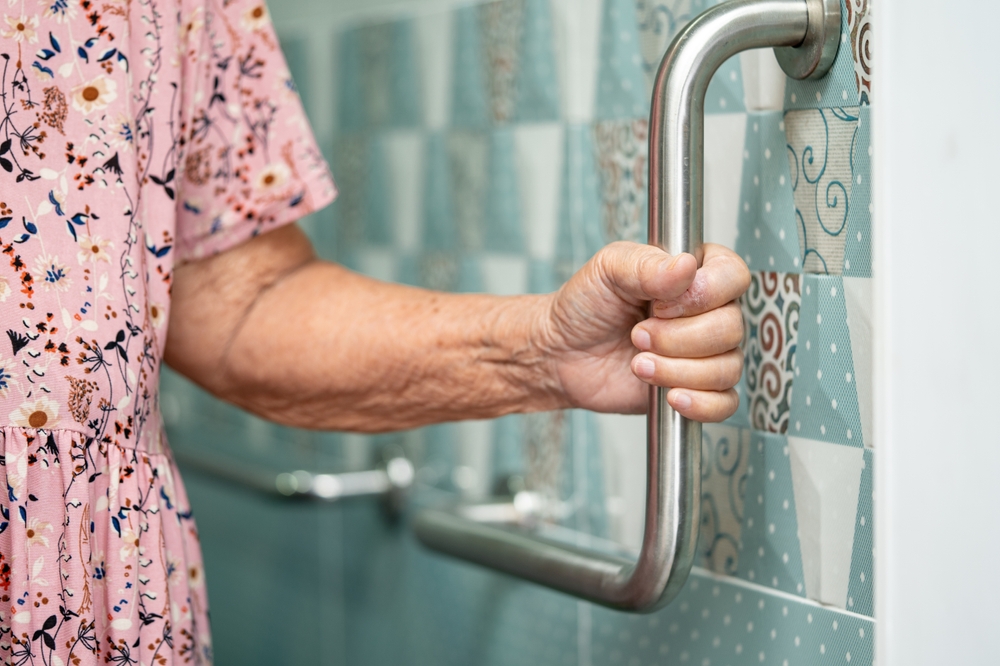
Bathrooms are one of the most common places for falls and injuries due to slippery floors and unforgiving hard surfaces. And in NYC, many bathrooms are quite compact — making it even more challenging to get around safely.
The National Institute on Aging recommends that seniors make several crucial modifications to improve bathroom safety — such as shower and tub grab bars, nonskid mats, and nightlights.
NYC-Specific Safety Considerations
While many elderly home safety tips apply regardless of where someone lives, New York City apartments and buildings present unique challenges that families should keep in mind. From steep walk-up buildings to uneven elevator platforms to crowded street parking, NYC isn’t the easiest place for seniors to navigate safely.
Walk-up apartments and stairs
Older adults experience changes to their mobility, balance, and endurance which makes it more dangerous to ascend multiple flights of stairs — especially while carrying groceries or laundry. Using sturdy handrails, keeping stairways well lit, and asking for help with heavier items can make daily routines safer.
Elevator-dependent buildings
Elevators may be less risky than stairs for many seniors, but they’re not entirely risk-free. Uneven elevator entrances, quickly closing doors, and crowding can all increase the risk of a fall or injury. Waiting for a less crowded elevator, allowing others to exit first, and entering and exiting carefully can help seniors navigate elevators more safely.
Emergency Preparedness at Home
Another important consideration for seniors living alone in NYC is preparing for the possibility of an emergency. Even with thoughtful home safety measures, unexpected situations like medical emergencies, power outages, or severe weather can still arise. Having an emergency preparedness plan in place can help ensure that seniors get assistance quickly and stay safe until help arrives.
Medical alert systems
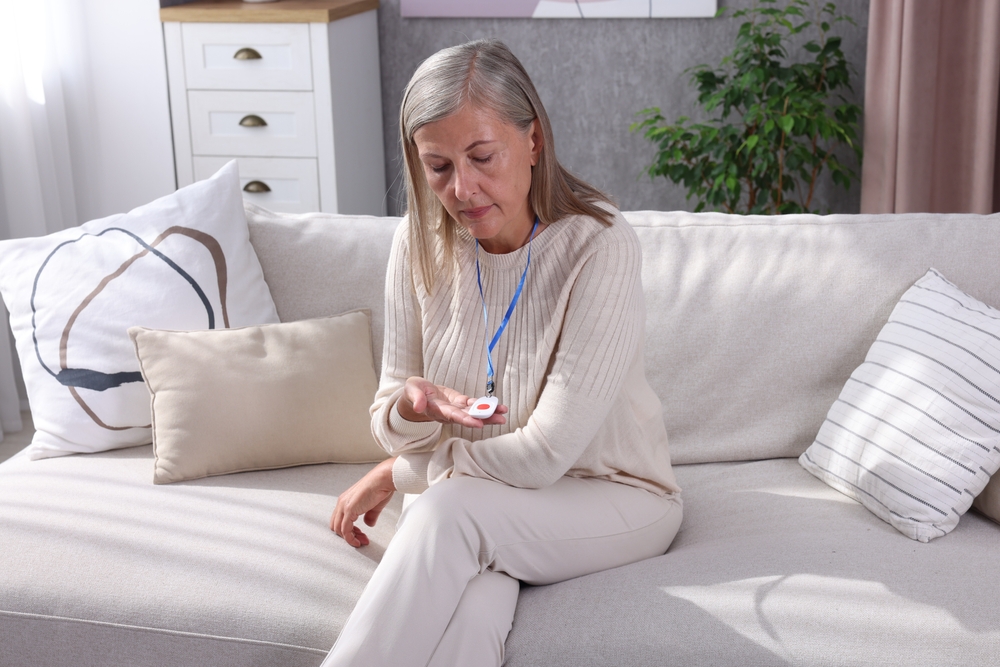
A medical alert system is essential for seniors living alone, especially those with chronic conditions. These systems can call for help at the push of a button. Seniors can choose from a range of options like home-based systems with wearable help buttons, mobile devices that provide protection on the go, wall-mounted buttons, and voice-activated systems. Many connect users to a 24/7 monitoring center and some also include automatic fall detection.
Building a home emergency kit
Every senior’s home should have an emergency kit with basic supplies for power outages, severe weather, or other unexpected situations. Consider including:
- A minimum three-day supply of water and non-perishable food
- Flashlight, extra batteries, and a battery-powered radio
- First-aid kit
- Prescription medications and any essential medical supplies
- Printed emergency contacts and important medical information
- Portable phone charger
Home Safety Checklist for Seniors
Stairs/Entryways
☐ Ensure stairways and entryways are well lit
☐ Keep stairs and walkways free of shoes, boxes, and other clutter
☐ Secure handrails and repair loose or uneven steps
☐ Remove or secure loose rugs near entrances
Living Room
☐ Arrange furniture to create clear walking paths
☐ Secure electrical cords away from walkways
☐ Remove unnecessary clutter from frequently used areas
☐ Keep commonly used items within easy reach
Kitchen
☐ Store everyday dishes, cookware, and pantry items within easy reach
☐ Clean spills promptly to prevent slips
☐ Use appliances with automatic shut-off features when possible
☐ Avoid using step stools to reach high cabinets
Bathroom
☐ Install grab bars near the toilet and in the shower or tub
☐ Use non-slip mats inside and outside the shower
☐ Keep floors dry by wiping up water and cleaning spills promptly
☐ Store toiletries and towels within easy reach to avoid unnecessary bending or reaching.
☐ Add a nightlight for safer nighttime trips to the bathroom
Bedroom
☐ Add a nightlight between the bed and bathroom
☐ Keep a phone or medical alert device within easy reach of the bed
☐ Remove clutter from pathways around the bed
☐ Keep frequently used items, such as glasses or medications, within easy reach
| Room | Common Hazard | Quick Fix |
| Bathroom | Slippery floors and tub, poor nighttime visibility | Install grab bars, use non-slip mats, keep floors dry, add a nightlight |
| Stairs/Entryways | Poor lighting, loose rugs, cluttered walkways, uneven steps | Improve lighting, install handrails, remove trip hazards, remove rugs |
| Living Room | Cluttered walkways, electrical cords, crowded furniture | Create clear walking paths, secure electrical cords |
| Kitchen | High shelves, slippery floors, hard-to-reach items | Store items within reach, clean spills promptly, use auto-shutoff appliances, secure or remove rugs/mats |
| Bedroom | No nightlight, phone out of reach | Add a nightlight, keep pathways clear, keep a phone/medical alert at bedside |
Home safety for seniors isn’t a one-time project. Revisit this checklist regularly as your loved one’s needs change, and take additional precautions during the winter months, when snow, ice, and freezing temperatures can introduce new safety concerns. See our winter home safety tips.
When It’s Time for Extra Support at Home
If you’ve made these senior home safety improvements but you or a loved one is still experiencing falls, missed medications, or other recurring safety concerns, it may be time for additional in-home support. Personal care aides (PCAs) can provide hands-on assistance with everyday activities, while home health aide services may be a better fit for those who also need basic health monitoring, medication management, or support alongside a chronic condition.
If you or a family member is interested in providing paid care for a loved one, Americare’s PCA program offers free training and the opportunity to become a paid caregiver.
Creating a safer home is an important first step, but you don’t have to navigate ongoing safety concerns alone. Get started with home care to learn how in-home support can help your loved one stay safe and independent while aging in place.
Frequently Asked Questions About Home Safety for Seniors in NYC
Q: What is the most common cause of falls at home for seniors?
A: Loose rugs, clutter, and poor lighting cause most in-home falls. Securing walkways and improving lighting are the highest-impact fixes.
Q: Do seniors in walk-up apartments need extra safety precautions?
A: Yes — stairs are one of the highest-risk areas in NYC apartments. Sturdy handrails, non-slip treads, and good lighting on every flight matter more than in single-level homes.
Q: What should be in a senior’s home emergency kit?
A: A three-day supply of water and non-perishable food, flashlight, batteries, a first-aid kit, medications, and printed emergency contacts.
Q: Are home safety assessments available for free in NYC?
A: Some local agencies and home care providers offer free in-home safety assessments — Americare offers this as part of an initial consultation.
Q: When should a family consider home care instead of relying only on safety modifications?
A: When safety concerns are recurring (repeated falls, missed medications, confusion) rather than one-off, that’s usually the signal that in-home support is worth exploring.