Your dad is managing pretty well in his Astoria apartment, but getting dressed in the morning now takes him nearly an hour. Or your mom can still cook, but she’s unsteady on her feet, and you’re worried about her reaching for pots on high shelves or navigating her walk-up stairs.
You’ve heard about personal care aides, but you’re not entirely sure what they actually do. What tasks can they help with? What’s off-limits? And how do you know if a PCA is what your family needs?
Here’s a straightforward guide to understanding personal care aide responsibilities in New York—what they handle day-to-day, how they support seniors at home, and what makes their role different from other types of caregivers.
What Do Personal Care Aides Actually Do?
Personal care aides (PCAs) provide hands-on assistance with activities of daily living for people who need help managing at home. They’re not medical professionals (for example, they can’t administer medications, provide wound care, or perform skilled nursing tasks), but they handle the essential personal care that keeps someone safe, clean, fed, and comfortable in their own home.
PCAs work with seniors who need support with bathing, dressing, eating, moving around safely, and keeping their living space manageable. Some clients need help for just a few hours a week. Others need daily assistance or even round-the-clock support.
The role centers on preserving dignity and independence. A good PCA doesn’t take over; they support your loved one in doing as much as they can for themselves and step in where help is genuinely needed.
The Daily Personal Care Tasks PCAs Handle
The foundation of personal care aide services is helping with activities of daily living. These are the basic self-care tasks that most of us do without thinking, but that become challenging as mobility, strength, or cognition decline.
Bathing and showering: PCAs help with getting in and out of the tub or shower safely, washing, drying, and applying lotions or creams. They monitor water temperature, watch for balance issues, and make sure the process feels respectful rather than intrusive.
Dressing: Laying out clothes, helping with buttons, zippers, and fasteners, assisting with shoes and socks, and adapting techniques for limited mobility or arthritis.
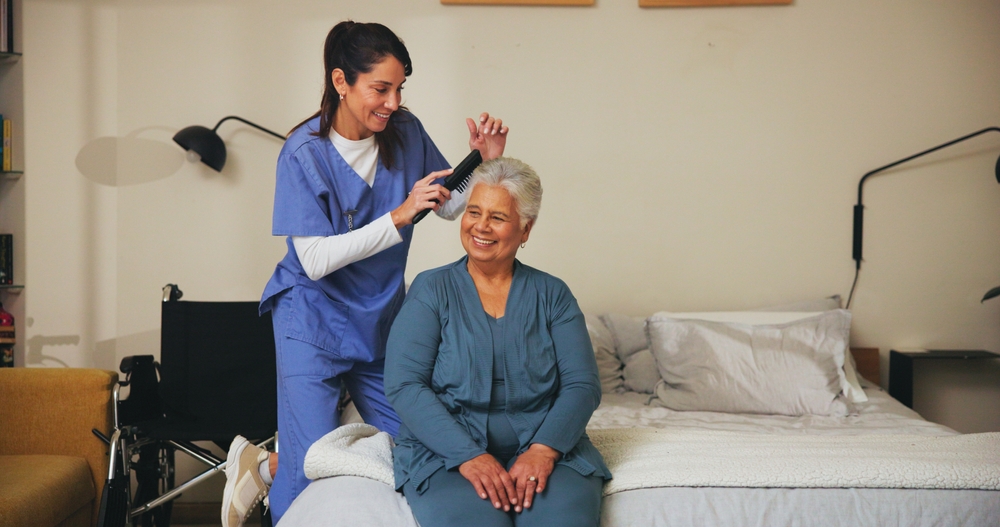
Grooming: Helping with hair brushing or styling, shaving, nail care, oral hygiene, and general appearance. These tasks matter for self-esteem and comfort.
Toileting: Assisting with bathroom use, managing incontinence products as needed, and maintaining cleanliness and dignity during a vulnerable process.
Mobility support: Helping your loved one move from bed to chair, stand up safely, walk around the apartment, and use mobility aids like walkers or canes correctly.
These tasks require patience, physical strength, and genuine respect for the person receiving care. PCAs are trained to handle them in ways that preserve dignity while keeping everyone safe.
How PCAs Help With Household Tasks
Beyond personal care, PCAs help maintain a clean, safe, organized living space. They handle:
Light housekeeping: Tidying rooms, washing dishes, wiping down counters and tables, taking out trash, making beds, and keeping walkways clear of clutter.
Laundry: Washing, drying, and folding clothes and linens, sorting laundry, operating machines, and putting clean items away.
Organizing: Keeping frequently used items accessible, reducing clutter that creates fall risks, and maintaining a functional layout in small NYC apartments where every square foot counts.
These household tasks aren’t glamorous, but they’re essential. When dirty dishes pile up, or laundry goes undone for weeks, it’s a sign that someone needs support—and PCAs step in to handle it.
How PCAs Support Mobility and Fall Prevention
Falls are one of the most significant safety risks for seniors living at home. PCAs play a critical role in preventing them by:
Assisting with transfers: Moving from bed to wheelchair, wheelchair to toilet, chair to standing position. These movements require proper technique—done wrong, they can injure both the senior and the caregiver.
Staying close while walking: Watching for balance issues, ensuring mobility aids are within reach, and providing steady support when needed.
Removing fall hazards: Clearing tripping hazards like loose rugs, extension cords, or clutter from walkways. In NYC apartments with tight hallways, steep stairs, or aging infrastructure, this oversight becomes especially important.
Monitoring movement changes: Noticing when someone starts shuffling their feet more than usual, leaning heavily to one side, or hesitating before standing. PCAs report these changes to family members or supervisors so interventions can occur before a fall.
Meal Preparation and Nutrition Support for Seniors
Good nutrition matters, but cooking becomes harder when arthritis makes chopping difficult, memory makes following recipes confusing, or limited mobility makes standing at the stove exhausting.
PCAs help by planning simple, nutritious meals based on dietary needs and preferences. They shop for groceries (or accompany your loved one to the store), prepare food, serve meals, and clean up afterward.
For seniors who need feeding assistance, PCAs sit with them during meals, offer manageable bites, monitor for choking risks, and make sure they’re eating enough. They also encourage hydration throughout the day—something that’s easy to forget but critical for health.
Cultural food preferences matter too. A PCA who understands that your father wants rice and beans, not pasta, or that your mother expects tea in a certain way, provides care that feels familiar and respectful rather than generic.
Keeping Families Informed About Daily Changes
PCAs spend hours with your loved one each week. They notice things you might miss during a visit: changes in appetite, new confusion, increased fatigue, skin issues, mood shifts, or declines in mobility.
A good PCA doesn’t just observe—they report. They communicate with family members about what they’re seeing, flag concerns that need medical attention, and provide updates on how daily routines are going.
This monitoring isn’t a medical assessment; PCAs aren’t diagnosing anything. But they’re often the first to notice when something’s different, and that early awareness can prevent minor problems from becoming emergencies.
Companionship and Emotional Support From PCAs
Loneliness is a real health risk for seniors living alone. Regular human contact, conversation, and companionship improve mental health, reduce depression, and keep cognitive function sharper.
PCAs provide social interaction during their visits. They talk, listen, play cards or board games, watch favorite shows together, look at family photos, or just sit quietly with someone who doesn’t want to be alone.
For seniors who don’t get out much or whose families live far away, this regular companionship can make the difference between feeling isolated and feeling connected.
What PCAs Cannot Do
It’s essential to understand what PCAs cannot do. These boundaries exist for safety and legal reasons.
PCAs cannot:
- Administer medications (they can remind someone it’s time to take medication, but they can’t hand pills or give injections)
- Perform wound care or change surgical dressings
- Monitor vital signs like blood pressure or blood sugar
- Provide skilled nursing tasks or medical treatments
- Insert or remove catheters, feeding tubes, or other medical devices
- Make medical decisions or assessments
If your loved one needs these services, you’ll need home health aide services or skilled nursing care instead. Home health aides can handle basic health monitoring tasks under nurse supervision, while skilled nurses provide medical care that requires clinical training.
Understanding these distinctions helps you match the right level of care to your loved one’s actual needs. Our home health care beginner’s guide walks through the different types of home care if you’re still figuring out what fits.
PCA Duties in New York City Homes
New York presents unique challenges that PCAs navigate daily.
Walk-up buildings: PCAs help seniors manage stairs safely, sometimes multiple flights, and assist with carrying groceries or laundry up and down.
Small apartments: PCAs work in tight spaces where bathrooms barely fit a shower, kitchens have minimal counter space, and hallways require careful maneuvering of walkers or wheelchairs.
Diverse communities: PCAs often speak multiple languages and understand cultural preferences around food, modesty, family roles, and personal care. A PCA who speaks your mother’s native language and understands her background provides care that feels comfortable rather than foreign.
Transportation challenges: PCAs may accompany seniors on public transit, wait with them for Access-A-Ride, or help them navigate getting to appointments in a city where driving isn’t always an option.
Building logistics: Coordinating with supers, managing key access, navigating elevator outages, and handling the practical details of consistently delivering care in NYC’s complex housing landscape.
How Americare Trains Personal Care Aides in New York
At Americare, our PCAs complete comprehensive training before they start working with clients. This training covers:
Personal care techniques: Safe bathing and toileting assistance, proper transfer methods, fall prevention, dignity-centered care, and adapting tasks to different physical and cognitive abilities.
Safety protocols: Recognizing fall risks, creating safer home environments, identifying when to call for help, and emergency response procedures.
Communication skills: Reporting changes effectively, coordinating with families and supervisors, and building trust with clients.
Beyond initial training, our PCAs receive ongoing supervision from registered nurses who conduct regular home visits, answer questions, and ensure high-quality care. We also match PCAs with clients based on language, personality, and specific needs, so the relationship feels like a good fit from the start.
When you’re ready to explore what personal care support could look like for your family, you can get started with home care or contact our team to discuss your specific situation.
Common Questions About Personal Care Aide Responsibilities
What tasks can a Personal Care Aide help with each day?
PCAs assist with bathing, dressing, grooming, toileting, mobility support, meal preparation, light housekeeping, laundry, medication reminders (not administration), safety monitoring, and companionship. They handle the daily living tasks that help someone stay clean, fed, safe, and comfortable at home.
How does a Personal Care Aide differ from a Home Health Aide?
PCAs provide personal care and support with daily living. Home health aides do everything PCAs do, plus they can monitor vital signs, assist with prescribed exercises, and handle basic health-related tasks under nurse supervision. If your loved one needs medical monitoring or is recovering from illness or surgery, you’ll likely need a home health aide rather than a PCA.
Can a Personal Care Aide assist with bathing or toileting?
Yes. Bathing and toileting assistance are core PCA responsibilities. PCAs are trained to help with these tasks safely and respectfully, preserving dignity while providing the physical support needed.
Are Personal Care Aides allowed to give medications?
No. PCAs cannot administer medications or give injections. They can remind someone it’s time to take medication and can alert family members or nursing staff if doses are missed, but they cannot physically administer drugs.
Do Personal Care Aides help with cooking or household chores?
Yes. PCAs prepare meals, help with grocery shopping, handle light housekeeping, such as dishes and laundry, tidy living spaces, and maintain a clean, safe home environment. They don’t do heavy cleaning or home repairs, but they manage regular household upkeep.
How do Personal Care Aides support seniors with mobility or balance issues?
PCAs assist with transfers, stay close during walking, ensure mobility aids are accessible and used correctly, remove fall hazards, and monitor for balance or gait changes that require attention. They’re trained in safe transfer techniques that protect both the senior and the caregiver.
How can New York families know if a Personal Care Aide is the right fit?
If your loved one needs help with daily tasks such as bathing, dressing, meal preparation, and housekeeping but doesn’t require medical care, a PCA is likely a good fit. If medical monitoring, wound care, or skilled nursing is needed, you’ll want a home health aide or nurse instead.
What training or qualifications should a Personal Care Aide have?
Look for PCAs with formal training in personal care techniques, safety protocols, and communication skills. They should have background checks, certifications as required by New York State, and ongoing supervision from registered nurses. Agencies should provide continuing education and quality oversight to ensure PCAs maintain high standards of care.