
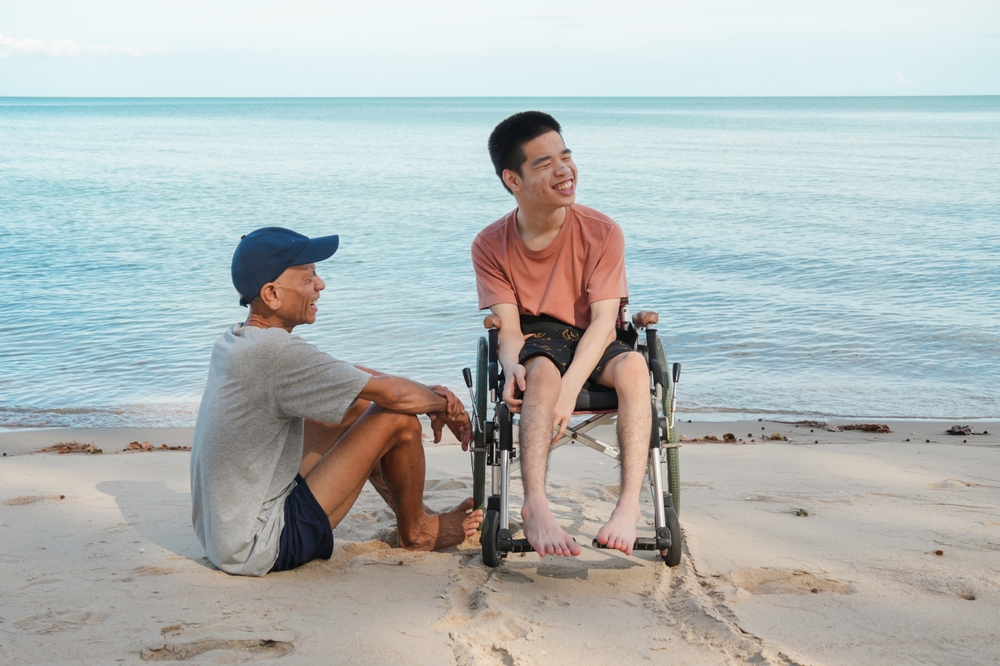
Home care for children with special needs in NYC includes services ranging from skilled nursing and personal care aides to behavioral support, delivered in the family’s home. Access typically runs through Medicaid, OPWDD approval, or private pay, and the right fit depends on the child’s specific condition, age, and daily support needs.
Parenting a child with special needs can feel like a full-time job. Between scheduling therapy appointments, traveling to specialists, managing medications, and keeping up with school and everyday routines, caring for your child’s well-being takes a lot.
Consider Cindy and Blake, whose three-year-old son, Charlie, has Down syndrome. His smile lights up their lives, and they love watching him discover new things every day. But between cardiology checkups, physical therapy appointments, and helping him practice movement exercises at home, their days are often packed. They’re wondering whether Charlie could receive some of his care at home — making everyday life a little more manageable for the whole family.
This guide explains home care options for NYC families, how to access services through Medicaid and the Office for People With Developmental Disabilities (OPWDD), and what to look for when choosing a pediatric home care agency.
What Counts as Pediatric Special Needs Home Care?
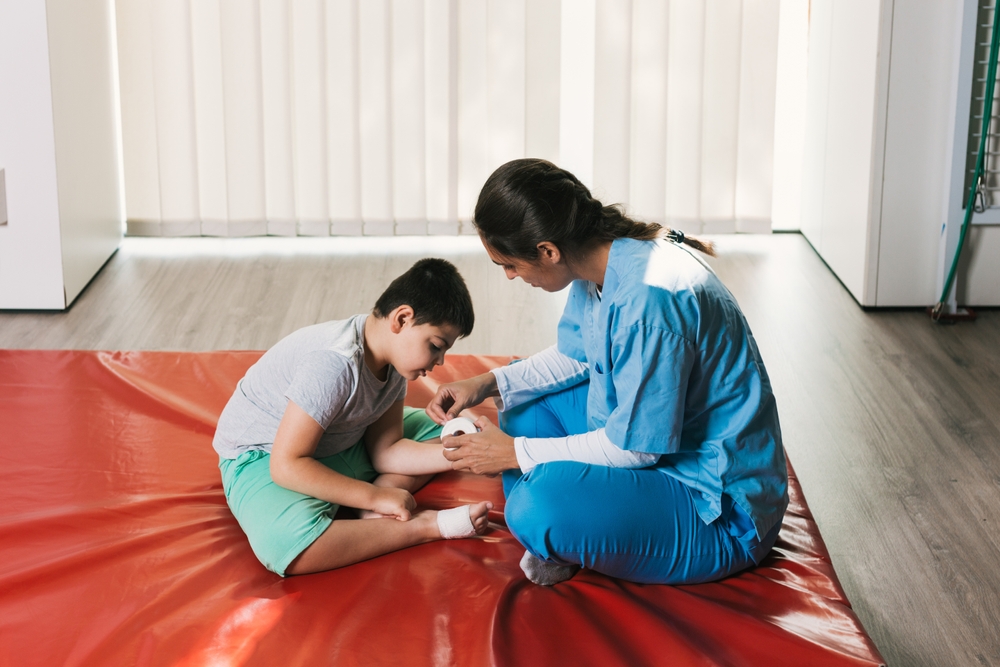
Home care for children with additional needs may include medical attention, hands-on assistance, or therapy delivered in the family’s home. Care may be short-term or ongoing, depending on the child’s needs. Examples include:
- Chronic or complex illnesses: Severe epilepsy may require nursing care to monitor seizures and administer prescribed treatments, while respiratory conditions may require ventilator support.
- Physical disabilities: Cerebral palsy or muscular dystrophy may require help with personal care, such as bathing and mobility, along with physical or occupational therapy.
- Developmental delays: Speech, occupational, or physical therapy can help improve communication, movement, and everyday skills.
- Premature birth: Babies discharged from the NICU may need nursing visits for medical monitoring, feeding support, or other prescribed care.
- Recovery after hospitalization: Temporary nursing care, wound care, or rehabilitation may be needed following major surgery or serious illness.
One of the biggest advantages of home care is that children can receive certain services without leaving the house. For NYC families, that can mean fewer trips to appointments, less disruption to school and family schedules, and more consistency in daily routines. Support at home also gives children chances to practice everyday skills where they use them most, from getting dressed in the morning to sharing meals with family.
What Types of In-Home Support Are Available?
Not every child needs the same kind of help at home. Some need an aide to assist with bathing or dressing. Others need a nurse to manage medical equipment or a therapist to work on communication and movement. These services can also be combined when a child’s needs overlap.
For example, a child with autism might receive behavioral support or speech therapy at home to improve communication and daily routines. Or, a child with cerebral palsy may need a personal care aide to help with bathing and mobility. In contrast, a child with a congenital condition may require a licensed nurse to provide feeding-tube care or administer prescribed injections.
For a more detailed breakdown of services, read our guide to the benefits of home care for special needs children.
What Personal Care and Daily Living Help Can a Child Receive?
Many children with special needs require help with activities of daily living, such as eating, bathing, dressing, toileting, and mobility. Personal care aides and home health aides can provide hands-on help with these tasks, helping children get ready for school, manage personal hygiene, and follow daily routines. This also gives parents reliable support with the everyday care their child cannot manage independently.
When Does a Child Need Skilled Nursing Support at Home?
Some children may need skilled nursing care at home either for a short period while recovering from surgery or hospitalization, or on an ongoing basis to manage conditions such as severe epilepsy, congenital heart disease, or other complex medical needs. This type of specialized care is provided by licensed nurses (RNs and LPNs) and may include feeding-tube care, administering prescribed medications and injections, and monitoring medical equipment. Your child’s pediatrician or specialist can help ensure that they receive the appropriate level of at-home care based on their assessment.1
What Behavioral and Developmental Support Is Available?
Children with autism, Down syndrome, cerebral palsy, and other developmental conditions may struggle with communication, movement, social interaction, and emotional regulation. In-home therapy lets specialists address these challenges during everyday routines and teach parents strategies they can use between sessions.
Depending on your child’s needs, they may receive speech-language, occupational, or physical therapy to support communication, everyday skills, and mobility. Our guide to the benefits of home care for special needs children explains these services in more detail.
Children who need help managing frustration, communicating their needs, or navigating social situations may also benefit from behavioral therapy. A therapist can work with the family to understand what makes particular routines difficult and develop strategies suited to the child, such as asking for a break or transitioning between activities.
Caregiver and family support is another important developmental intervention. Therapists teach parents and other caregivers practical ways to support the child’s skill development and manage sensory or emotional difficulties during everyday routines. Specialists can also connect families with educational resources and other parents whose children have similar needs.1
Where to Start: Finding Home Care for Your Child
| Your Situation | Getting Started |
| Child recently diagnosed | Talk to your pediatrician about a referral and start a Medicaid eligibility check |
| Child aging out of pediatric services | Begin transition planning 1-2 years ahead with OPWDD and your care coordinator. |
| Family new to Medicaid | Contact your local Medicaid office to learn how to apply and confirm the appropriate coverage pathway for your child. |
How Do You Access Care Through Medicaid or OPWDD?
New York Medicaid covers various pediatric home care services for children with special needs. Eligibility depends on factors such as your child’s age, medical needs, and family income. Some children with disabilities can qualify even when their parents’ income exceeds the usual Medicaid limits.
The Office for People With Developmental Disabilities is the New York State agency that coordinates care for people with qualifying developmental disabilities. Many OPWDD services are funded by Medicaid through a program called the Home and Community-Based Services (HCBS) Waiver. Through the HCBS waiver, eligible families may receive:
- In-home respite care: Trained staff care for your child temporarily, giving family caregivers time away from caregiving responsibilities.
- Community habilitation: Support workers help children practice everyday activities, such as dressing, preparing simple meals, and participating in community activities.
How Do You Navigate OPWDD Approval?
To determine your child’s OPWDD eligibility and find out which services they may qualify for, start by contacting your local OPWDD Front Door office.2 Staff will explain what documents you need to submit, including medical records and developmental and psychological evaluations. OPWDD will review these records to determine whether your child meets its eligibility requirements.
If your child qualifies for OPWDD services, a care coordinator can help you apply for Medicaid and find out whether your child is eligible for additional services through the HCBS Waiver. Your care coordinator will also help identify services that meet your child’s needs, develop a support plan, and connect you with providers once the necessary approvals are in place.
The approval process can take time, so start early and keep copies of every evaluation, letter, and form you receive. If your child is approaching adulthood, begin transition planning with your care coordinator one to two years ahead so services continue smoothly as they move from pediatric to adult care.
How Do You Choose the Right Pediatric Home Care Agency?
While OPWDD care coordinators often help families find a home care agency, those using private insurance or paying out of pocket may need to choose a provider independently.
Pediatric home care is often a long-term arrangement, with caregivers spending significant time with your child and becoming part of their daily routine. As a parent, you naturally want someone your child feels safe and comfortable with, so choose an agency that takes caregiver compatibility as seriously as qualifications and experience.
Before choosing an agency, consider the following:
- State licensing: Is the provider licensed or certified by the New York State Department of Health as a Licensed Home Care Services Agency (LHCSA) or Certified Home Health Agency (CHHA)?
- Pediatric experience: Are caregivers trained to support children with your child’s specific medical, physical, or developmental needs?
- Caregiver matching: Does the agency consider your child’s personality, routines, and preferences when selecting a caregiver?
- Reliability and scheduling: What happens if your child’s regular caregiver is sick or unavailable?
- Insurance coverage: Does the agency accept your Medicaid plan or private insurance, if applicable?
It’s also worth asking how the agency involves the whole family. The best pediatric care teams treat parents as partners, share regular updates, and adjust the care plan as your child grows. Siblings, grandparents, and other relatives can often join the care team too, whether that means learning simple routines from the caregiver or joining therapy activities at home. When the people your child sees every day are part of the plan, new skills are more likely to carry over into daily life.
During your first conversation with an agency, ask how caregivers are trained for pediatric cases, how often care plans are reviewed, who you can call with questions after hours, and what happens if a caregiver match isn’t working out. Clear, confident answers are a good sign you’ve found a partner you can trust.
How Does AmeriKids Support NYC Families?
Cindy and Blake want Charlie to have every opportunity to grow, learn, and enjoy his childhood. But they also want more afternoons spent playing with him on the living room floor, rather than rushing between appointments or worrying about whether they’re doing enough at home. Having experienced pediatric caregivers come to their Brooklyn apartment could make their days a little easier, giving Charlie dedicated support while his parents get some much-needed respite.
That’s the kind of support AmeriKids pediatric care helps NYC families access. Across all five boroughs, AmeriKids offers a team of licensed nurses, home health aides, and therapists — with caregivers available 24 hours a day, seven days a week. Whether your child needs skilled medical care, hands-on help with daily activities, or therapy to build new skills, our professionals bring the expertise and attentiveness children with special needs deserve.
If you’re wondering what home care could mean for your child and your family, schedule a Free Consultation to explore your options.
FAQs
What conditions qualify a child for home care in NYC?
Children with autism, cerebral palsy, chronic medical conditions, and other developmental disabilities may qualify for home care in NYC. Eligibility depends on the specific program (such as Medicaid or OPWDD) and your child’s individual care needs, not a fixed list of diagnoses.
Does Medicaid cover home care for children with special needs?
Yes. New York Medicaid covers certain home care services for eligible children through several coverage pathways. Depending on your child’s assessed needs, these may include skilled nursing, personal care, and therapy. The services and number of hours approved depend on medical necessity and program requirements.
What’s OPWDD, and do we need it?
OPWDD stands for the Office for People With Developmental Disabilities. Its programs provide additional support for children with qualifying developmental disabilities, including certain home and community-based services. OPWDD approval is required for some developmental disability services, but not for all pediatric home care.
How is pediatric home care different from adult home care?
Pediatric home care requires professionals trained in child development and family-centered care, not just clinical skills. Care is tailored to a child’s age, developmental needs, and daily routines, with parents closely involved in care decisions.
Can I be involved in choosing my child’s caregiver?
Yes. Reputable pediatric home care agencies involve families in caregiver matching and care plan development. Parents can discuss their child’s medical needs, personality, routines, and preferences to help find a good-fit caregiver.
Schedule a Free Consultation
Resources
-
- NYU Langone Health. (n.d.). Support for developmental delays in children. https://nyulangone.org/conditions/developmental-delays-in-children/support
- New York State Office for People With Developmental Disabilities. (n.d.). Eligibility. https://opwdd.ny.gov/eligibility