Stroke care at home involves coordinating therapies, managing medications, and building daily routines that support recovery — a process that typically unfolds over weeks to months after hospital discharge. For NYC families, post-stroke home care also means navigating the realities of city living: walk-up apartments, elevator buildings, and transportation to follow-up appointments.
Your loved one has experienced a stroke — and now the challenging path toward recovery begins. Knowing what to expect can help make the transition home feel less overwhelming.
Whether you’re arranging home care after hospital discharge in Manhattan or learning how to care for a stroke patient at home, knowing what to expect during the recovery process can help make the transition home feel less overwhelming. This guide will walk you through the recovery timeline and explain when additional support may be beneficial.
What to Expect the First Weeks Home After a Stroke
The first several weeks following a stroke are often the most demanding, and your loved one will need additional support as they regain strength. Understanding what to expect during the stroke recovery timeline at home can reduce anxiety and stress for family members.
Common physical and cognitive effects
The physical and cognitive effects of a stroke vary depending on severity and the affected area of the brain, and can range from mild to significant. According to the American Stroke Association, recovery looks different for every survivor. Common physical impacts include:
- Weakness or reduced mobility
- Difficulty with balance and walking
- Fatigue or low energy
- Changes in speech, swallowing, or communication
- Memory or concentration challenges
- Emotional changes such as frustration, anxiety, or depression
Many of these challenges improve over time with consistent stroke rehabilitation at home, but progress often happens gradually.
| Recovery Stage | Typical Timeline | What Families Should Focus On |
| Immediate post-discharge | Days 1–7 | Home safety setup, medication schedule, first follow-up visit |
| Early recovery | Weeks 2–6 | Therapy routine, mobility support, monitoring for complications |
| Ongoing recovery | Months 2–6+ | Long-term therapy goals, caregiver support, reassessing care needs |
Building a daily care routine
Everyday tasks are often more challenging after a stroke, and the patient will likely have more medical and care demands. Creating a consistent schedule can help reduce stress, promote independence, and ensure important tasks aren’t overlooked. A typical routine may include:
- Taking medications as prescribed.
- Completing physical, occupational, or speech therapy exercises.
- Practicing cognitive activities to support memory, communication, or problem-solving, if recommended by the care team.
- Eating nutritious meals and staying hydrated.
- Scheduling regular rest breaks to manage post-stroke fatigue.
- Attending follow-up appointments with healthcare providers.
Coordinating Therapy and Medical Care at Home
As stroke patients work to regain mobility, coordination, and speech, they typically rely on a combination of targeted therapies and medications.
Physical, occupational, and speech therapy continuity
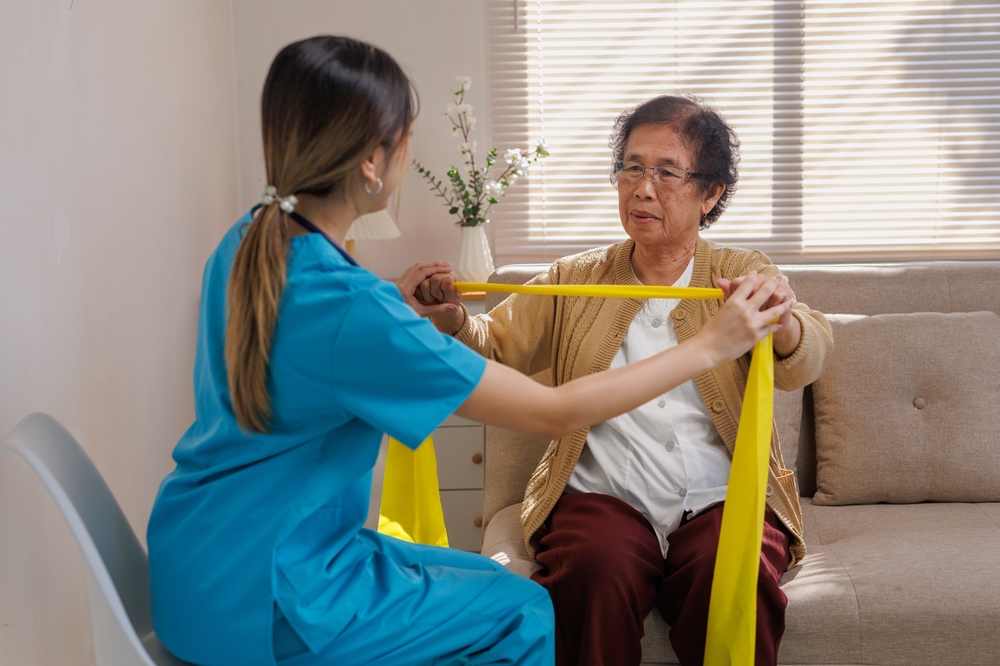
Rehabilitation is an important part of stroke recovery and often continues for weeks or months after hospital discharge. Depending on their needs, stroke survivors may receive one or more of the following therapies:
- Physical therapy: Helps improve strength, balance, coordination, and mobility.
- Occupational therapy: Focuses on improving everyday skills like bathing, dressing, eating, and preparing meals.
- Speech therapy: Targets communication, language, cognition, and swallowing difficulties.
Before leaving the hospital, most stroke survivors receive a discharge plan outlining their rehabilitation needs. Depending on their condition, therapy may continue at home, in an outpatient rehabilitation program, or both. Families will also receive follow-up appointments and instructions for exercises to practice between therapy sessions.
Medication management and follow-up appointments
Stroke survivors are at a higher risk of experiencing another stroke, but taking medications as prescribed can significantly reduce that risk. Many stroke patients are put on medications like blood thinners, blood pressure drugs, or statins to manage risk factors like high cholesterol, high blood pressure, or irregular heartbeat.
Managing a new medication schedule can be challenging, especially while coordinating therapy and follow-up care. Creating a daily medication schedule, using a pill organizer, and setting reminders can help prevent missed doses. Some families prefer to use home health aides after hospital discharge to assist with medication management as well as health monitoring and supporting daily routines.
Making an NYC Home Safe for Stroke Recovery
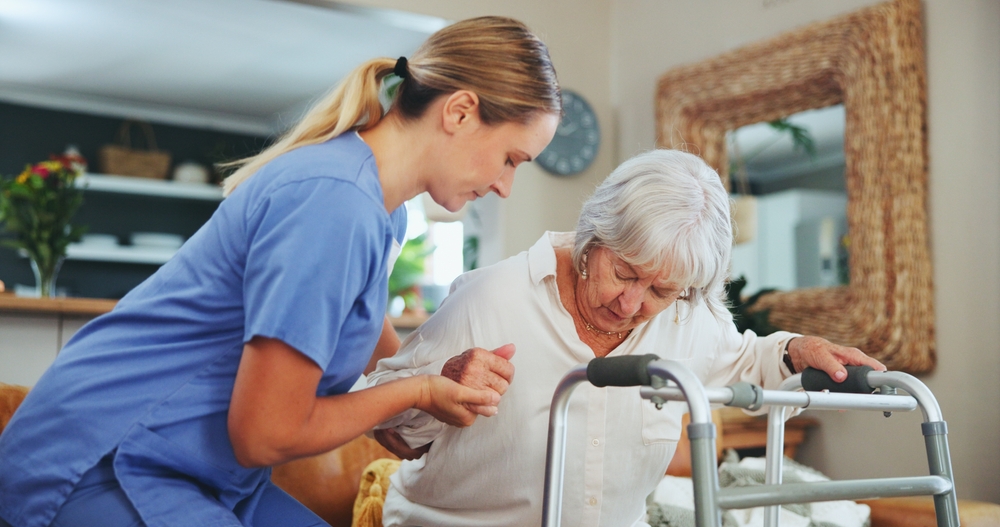
Following a stroke, patients have an elevated fall risk and often need support to safely move around their house or apartment. Arranging post-stroke home care in NYC also means addressing building-specific challenges like steep stairwells, narrow hallways, and compact bathrooms.
Small adjustments like installing grab bars, rearranging furniture, or using a walker can help survivors get around more easily — particularly in NYC apartments that frequently have steep flights of stairs, narrow hallways, and compact bathrooms.
Walk-up apartments, bathrooms, and mobility aids
Stairs and slippery bathroom floors are on the list of home hazards for stroke patients. To improve safety for yourself or your loved one, you’ll want to make modifications like:
- Installing grab bars and non-slip mats in the bathroom
- Removing loose rugs and other tripping hazards
- Rearranging furniture to create wider, unobstructed pathways for walkers
When to consider home health aide support
If your loved one is struggling to safely keep up with daily routines — or family caregivers are becoming stretched too thin — home health aide services may be a good option during the recovery period. Home health aides can provide extra assistance with everyday activities like bathing and dressing, as well as manage medications and support mobility around the home.
Many home health aide agencies also offer in-home safety assessments to identify fall hazards and recommend modifications that can help make the home safer after a stroke.
Supporting Caregivers Through the Recovery Journey
Stroke recovery often takes a team. Family members, friends, and professional caregivers may all play a role in helping a stroke survivor recover at home.
If you’re caring for a stroke survivor, it’s important to be aware of available resources, care options, and financial support that can ease the stresses of caregiving. Caregiving can demand a lot from you, and no one should feel like they have to manage recovery alone.
Preventing caregiver burnout
Watching a loved one recover from a stroke is emotionally and physically draining, and caring for a stroke survivor is one of the most demanding roles a family member can take on. Many caregivers find themselves balancing hands-on stroke care at home, medical appointments, and household responsibilities while also grieving the sudden changes in their loved one’s health and independence.
Taking time to care for your own health is an important part of preventing caregiver burnout. This may look like asking family and friends for support, taking planned breaks to relax or enjoy hobbies, or opting for paid respite or home health care options.
Insurance, Medicaid, and PCA support options
For families who opt for additional caregiving support, cost is often a big concern. Fortunately, there are several ways you can reduce out-of-pocket expenses. Depending on the individual’s care needs, insurance coverage, and financial situation, New Yorkers may have access to one or more of the following options:
- Medicare: Covers short-term skilled home health services, such as nursing or therapy, for eligible individuals.
- Medicaid: Covers long-term personal care services for eligible New Yorkers who qualify.
- Private insurance: Some plans cover certain home care or rehabilitation services, though benefits vary by policy.
- Personal care aide (PCA) programs: PCA programs like Americare’s offer free training to family or friends who want to become paid caregivers.
When to Bring in Professional Support
Every stroke survivor’s recovery journey is unique. Some survivors regain independence quickly, while others need ongoing support as they make gradual progress.
If caring for your loved one is becoming difficult to manage alone, professional post-stroke home care can help make recovery safer and more manageable. Services range from assistance with everyday activities to nursing care for stroke patients at home.
Americare is here to help you understand your options and create a care plan that supports your loved one’s recovery at home. Contact us to get started with home care!
Frequently Asked Questions About Stroke Care at Home in NYC
Q: What should I do the first day my loved one comes home after a stroke?
A: Focus on a safe, calm environment: confirm medications are organized, mobility aids are accessible, and follow-up appointments are scheduled before discharge day.
Q: How long does it typically take to recover from a stroke at home?
A: Recovery varies widely — some improvement often continues for months, with the fastest gains typically in the first few weeks after the stroke.
Q: Does insurance cover in-home care after a stroke in New York?
A: Coverage depends on the plan and care type — Medicare often covers short-term skilled home health, while longer-term personal care may fall under Medicaid programs like PCA.
Q: What are warning signs that a stroke survivor needs more support at home?
A: Missed medications, repeated falls, new confusion, or a caregiver feeling overwhelmed are all signs it may be time to bring in professional home care support.
Q: What’s the difference between a home health aide and skilled nursing for stroke recovery?
A: A home health aide supports daily activities and mobility, while skilled nursing handles medical tasks like wound care or IV medications — many families use both.