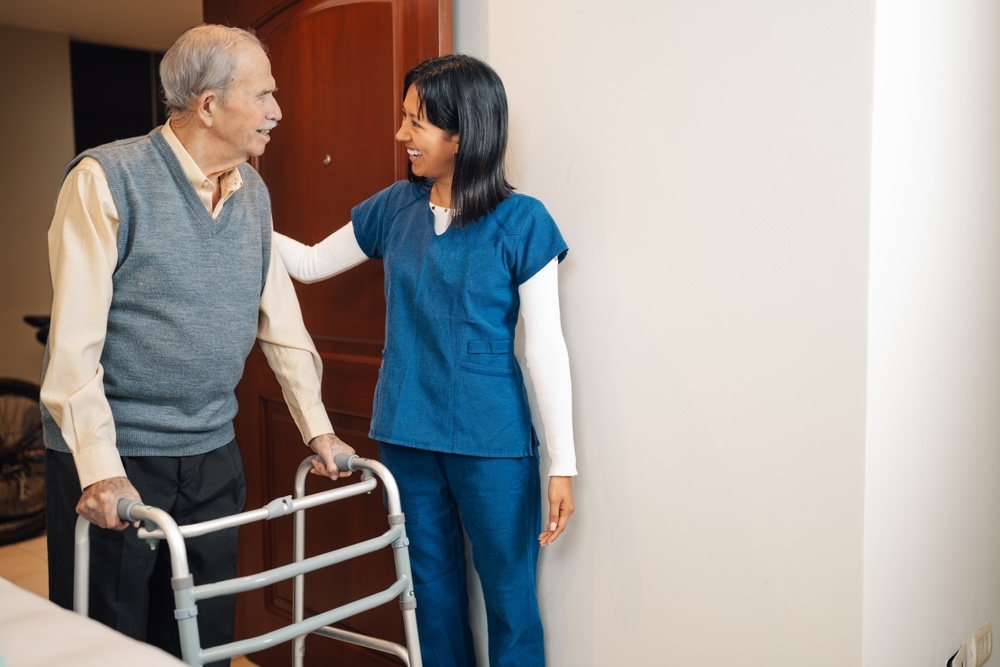
Choosing the right home care for a loved one starts with understanding the difference between a Personal Care Aide (PCA) and a Home Health Aide (HHA). While both help older adults remain safe and independent at home, they have different training and responsibilities. A PCA provides non-medical assistance with daily activities like bathing, dressing, mobility, and meal preparation, while an HHA has additional training to offer certain healthcare services under the supervision of a registered nurse.
If you’re comparing PCA vs. HHA and unsure which will best fit your loved one’s needs, this guide will help you understand the difference between the two, what each role involves, and how to determine the right level of care.
What is a PCA (Personal Care Aide)?
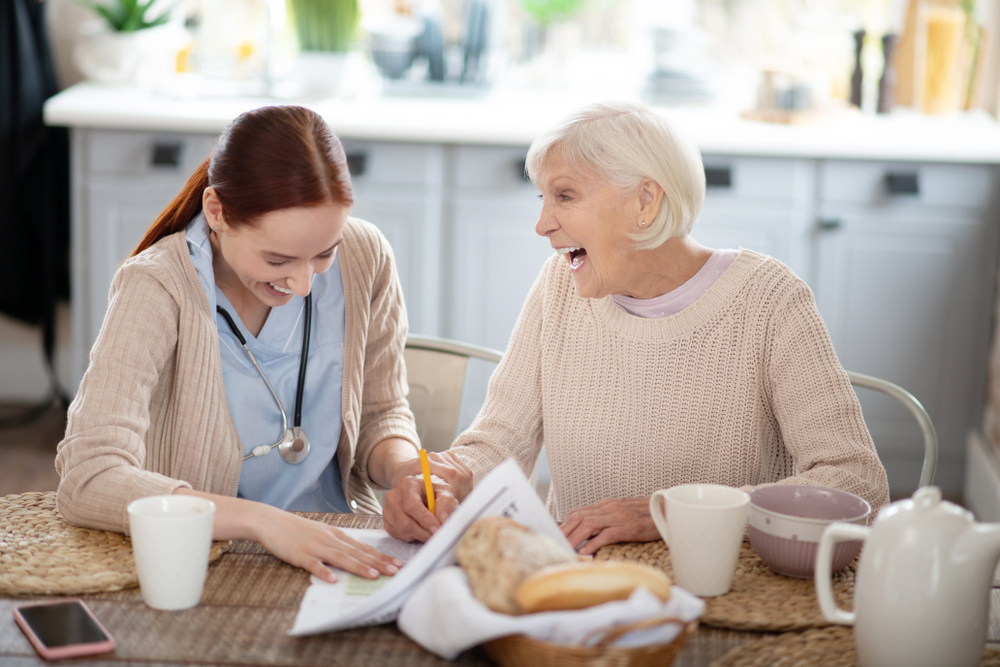
A Personal Care Aide (PCA) helps older adults and individuals with disabilities manage everyday activities so they can continue living safely at home. PCAs provide non-medical support with personal care and daily living tasks, making them a good fit for people who need assistance with routine activities but do not require skilled nursing or ongoing medical care.
Typical PCA duties
What does a PCA do? Depending on a person’s care plan, a PCA may assist with:
- Bathing, dressing, and grooming
- Toileting and personal hygiene
- Mobility and transferring
- Meal preparation
- Light housekeeping
- Grocery shopping and errands
- Medication reminders
- Companionship
PCA training requirements in NY
New York’s Medicaid program requires personal care aides to complete 40 hours of employer-provided training through an approved PCA program. This employer-provided training covers personal care and hygiene, infection prevention, mobility assistance, nutrition and homemaking, and communication and client rights.
What is an HHA (Home Health Aide)?
A Home Health Aide (HHA) provides the same daily living support as a PCA but also assists with certain basic medical tasks under the supervision of a registered nurse.
HHAs are often a good fit for older adults recovering from an illness, injury, or surgery, as well as those with chronic health conditions who need more support than a PCA can provide but do not require the skilled medical care of a nurse.
Typical HHA duties
What does an HHA do? In addition to providing personal care and daily living support, an HHA may also:
- Monitor and record vital signs
- Watch for changes in a client’s health and report concerns
- Assist with self-administered medications
- Help with prescribed exercises and rehabilitation
- Accompany clients to doctor appointments
HHA training and certification in NY
In New York State, HHAs must complete a 75-hour, state-approved Home Health Aide Training Program (HHATP) that includes classroom instruction and supervised clinical experience. This additional training enables HHAs to provide a higher level of care by monitoring clients’ health and assisting with certain basic medical tasks.
PCA vs. HHA: Side-by-Side Comparison
While PCAs and HHAs share many responsibilities, there are a few key differences in their training, duties, and the types of care they provide. Understanding PCA duties vs HHA duties can help you determine which type of caregiver may be the best fit for your loved one.
| PCA (Personal Care Aide) | HHA (Home Health Aide) | |
| Medical tasks | None | Some (vitals, medication reminders, etc.) performed under RN supervision |
| Supervision | Employer-based | Registered nurse |
| Training | Employer-provided, 40-hour PCATP | State-approved HHATP training program |
| Who it’s for | Individuals who need help with everyday activities | Individuals recovering from illness, injury, or surgery, or those with more complex care needs |
| Often used for | Long-term personal care through New York’s PCA program | Short-term recovery or ongoing health monitoring through a CHHA |
What Does “CHHA” Mean? (And How It’s Different From Both)
If you’re exploring aging in place options for your loved one, you may have come across the term Certified Home Health Agency (CHHA). While PCAs and HHAs are individual caregivers, a Certified Home Health Agency (CHHA) is an organization that provides and coordinates home healthcare services.
CHHA vs. LHCSA: agency types explained
CHHAs aren’t the only type of organization that coordinates home healthcare services. While CHHAs primarily provide home nursing and therapy services that are covered by Medicare, LHCSAs offer non-medical home care services.
LHCSAs often employ PCAs and HHAs, while CHHAs typically employ HHAs as well as nurses, therapists, and other licensed professionals. Some agencies, like Americare, operate as both LHCSAs and CHHAs so as to provide for both shorter- and longer-term care needs.
Which One Does Your Loved One Need?
Choosing a personal care aide vs. home health aide depends on your loved one’s health, level of independence, and the type of support they need each day. In many cases, the decision comes down to whether they need assistance with daily activities alone or additional support for more complex health needs.
Signs a PCA is enough
People often think that home care is only for those with more serious health conditions. The reality is that many older adults are in overall good health but still can benefit from support with mobility or daily routines. For these individuals, a personal care aide can make all the difference in helping them keep up with personal hygiene, get around the house safely, and feel less isolated.
Signs you need an HHA
Seniors with chronic health conditions or those recovering from illness, injury, or hospitalization often need more than just help with daily routines at home. Home health aide services are a good choice for supporting recovery and wellness, as HHAs are trained to monitor vital signs, give medication reminders, and recognize changes in health that should be reported to a registered nurse.
Getting the Right Level of Care
Most older adults prefer to age in place, and for their family members, that often means finding the right balance between preserving their independence and ensuring their safety.
Knowing whether a home health aide vs. personal care aide is more appropriate can help you make a more confident care decision — one that gives you peace of mind while allowing your loved one to maintain as much autonomy and routine as possible.
Certified as a skilled nursing and CHHA services provider as well as an LHCSA, Americare offers a range of home care services that are tailored to your loved one’s specific medical conditions and care preferences. Whether you need a PCA who can help your grandmother get around the house and provide companionship, or an HHA who can monitor your father’s recovery from heart surgery, Americare is here to help you build a care plan that supports your loved one’s health and quality of life.
Contact our team to learn more about our services, or get started with home care to set up an initial assessment and intake call.
Frequently Asked Questions: PCA vs. HHA in New York
Q: What is the main difference between a PCA and an HHA?
A: A PCA provides non-medical help with daily activities, while an HHA has additional training to handle basic medical tasks like monitoring vital signs, under a nurse’s supervision.
Q: Can a PCA administer medication?
A: Generally no — medication administration typically falls to a nurse, while a PCA can usually only provide medication reminders.
Q: What does CHHA mean, and is it the same as an HHA?
A: CHHA stands for Certified Home Health Agency — it refers to the type of agency providing care, not an individual worker’s job title.
Q: How do I know if my loved one needs a PCA or an HHA?
A: If daily support is mostly non-medical, a PCA may be enough. If there are medical needs like medication management, an HHA is usually the better fit.
Q: Does New York’s PCA program pay for a PCA, an HHA, or both?
A: New York’s PCA program is specifically structured around the Personal Care Aide role — for higher medical needs, families typically transition to an HHA or skilled nursing arrangement.