
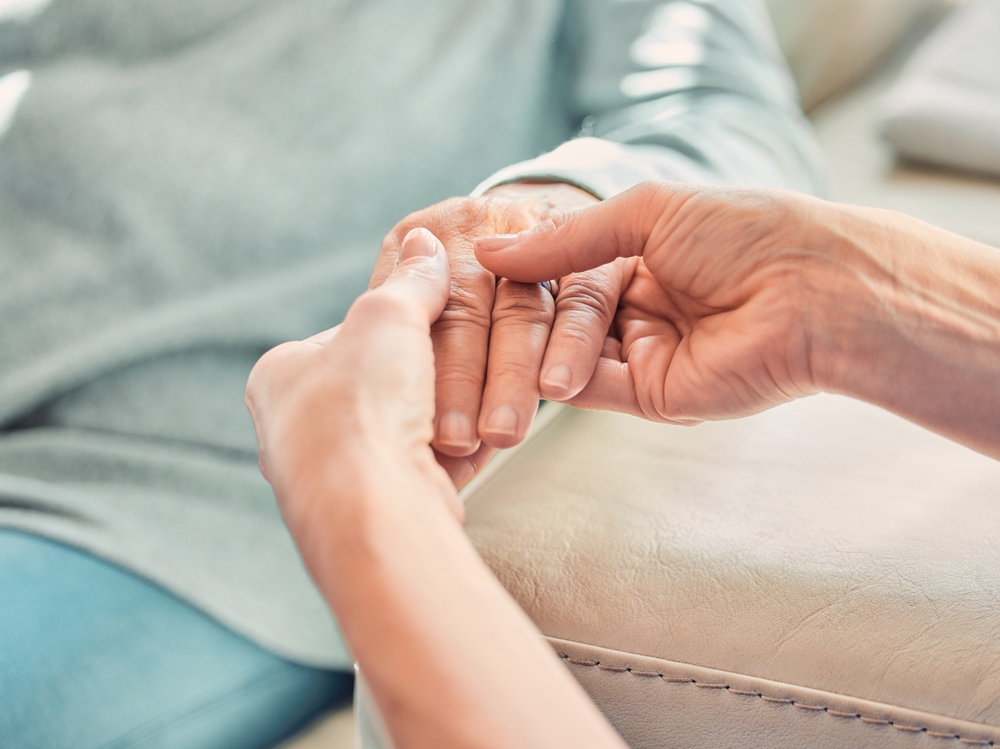
Hand arthritis can make everyday tasks like buttoning a shirt, holding a cup of tea, or writing a note painful and frustrating. These challenges often lead to a loss of independence and confidence at home. Yet with the right gentle exercises and adaptive strategies, seniors can improve flexibility, reduce stiffness, and stay active safely.
This guide shares hand exercises for seniors with arthritis, simple mobility tools, and supportive care tips to help older adults maintain independence. Whether you’re living with arthritis yourself or caring for a loved one, these strategies can provide comfort, relief, and renewed confidence.
Understanding hand arthritis in older adults
Common symptoms and limitations
Arthritis often brings stiffness, swelling, and pain in the joints. Seniors may notice difficulty gripping objects, reduced strength, or fatigue when performing repetitive tasks. The unpredictable nature of good days and flare-up days becomes part of learning to move at a comfortable, caring pace.
Types of arthritis that affect the hands
- Osteoarthritis (OA): Caused by wear and tear on the joints, leading to stiffness and bony enlargements at the fingers.
- Rheumatoid arthritis (RA): An autoimmune condition where the immune system attacks joint tissues, often causing inflammation and deformities.
- Psoriatic arthritis and gout: Less common, but can also cause pain and swelling in the fingers and wrists.
Why regular movement matters
When joints are painful, it may feel easier to rest. But avoiding movement can lead to more stiffness and reduced mobility. Gentle, consistent exercise helps by:
- Keeping joints flexible
- Reducing stiffness
- Strengthening supporting muscles
- Promoting blood circulation for healing
Gentle exercises to improve flexibility and reduce pain
Small, consistent efforts can bring surprising comfort and relief. The key is listening to your body — moving in ways that feel right for you and recognizing when you need to rest.
Here are some simple exercises you can do anytime, anywhere.
Finger bends and stretches
- Start with your hand open, fingers straight.
- Slowly bend one finger at a time toward your palm, then straighten again.
- Repeat 5–10 times per finger.
Thumb touches and circles
- Touch the tip of your thumb to each fingertip, forming an “O” shape.
- Make gentle circles with your thumb to increase flexibility.
Stress ball or putty squeezes
- Hold a soft stress ball or therapy putty.
- Gently squeeze and release 10–15 times.
- Helps improve grip strength and reduce stiffness.
Wrist rotations and warm-up techniques
- Rotate wrists slowly in both directions.
- Warm hands with a moist heating pad before exercise to reduce stiffness and ease movement.
How often to do these exercises and when to stop
Aim for 5–10 minutes of home exercises for arthritis in hands once or twice a day. If you experience sharp pain, swelling, or unusual discomfort, take a break. Always check with your healthcare provider if symptoms worsen.
Tools and aids that make movement easier
Sometimes, all you need are the right tools to reduce strain and make everyday tasks so much easier.
Arthritis-friendly kitchen and grooming tools
- Utensils with wide, cushioned handles
- Lightweight cups with two handles
- Easy-grip nail clippers and combs
Hand braces, compression gloves, and assistive grips
- Compression gloves that reduce swelling and improve circulation.
- Splints or braces to provide stability during flare-ups.
- Jar openers and adaptive grips that help minimize wrist strain.
Voice-activated or adaptive tech for household use
- Smart speakers for reminders and hands-free assistance
- Touch-free faucets and lights
- Phones with larger keypads or voice control features
Nurturing your hands

Like a warm embrace
Gentle heat therapies like warm towels, heating pads, or paraffin wax dips can help soothe stiff joints, and when paired with slow, mindful stretches, they can help your hands feel more fluid and relaxed.
Movement that loves you back
Walking, swimming, and tai chi keep the whole body mobile without stressing hand joints. These movements feel good in the moment and help boost circulation, ease stiffness, and lift your spirits all at once.
Prioritizing hydration, anti-inflammatory foods, and rest
- Drink water throughout the day to keep joints lubricated.
- Choose foods rich in omega-3s, fruits, and leafy greens.
- Rest hands between activities to prevent overuse.
It’s normal to need help – here’s when to ask
A caring partner
When a trusted caregiver steps in to help with buttons, meal preparation, or those stubborn jar lids, you or your loved one can preserve energy for the things that bring joy.
Preventing overuse and flare-ups
With assistance, seniors can avoid repetitive strain while still engaging in safe, beneficial activity. Caregivers can also encourage regular exercise routines and monitor changes in symptoms.
Americare’s approach to personalized care and mobility support
At Americare, we understand that arthritis affects not just hands, but confidence, independence, and daily joy. We believe in creating care plans that feel as unique as the people we serve, helping with exercises, recommending home care services, and ensuring seniors remain active and safe at home. Our home healthcare guide is a helpful resource for families exploring in-home support options.
There to walk hand in hand
Hand arthritis is just one chapter in your story, not the ending. With gentle daily movements, clever tools that work with you instead of against you, and the right caring support, seniors can continue writing beautiful chapters filled with comfort, activity, and independence right at home.
If someone you care about could use a compassionate partner in managing arthritis while staying joyfully active, contact our team at Americare today. We’re passionate about creating personalized care that doesn’t just make daily life easier — it helps restore the simple pleasures and confident moments that make each day feel truly fulfilling.
Learn more