
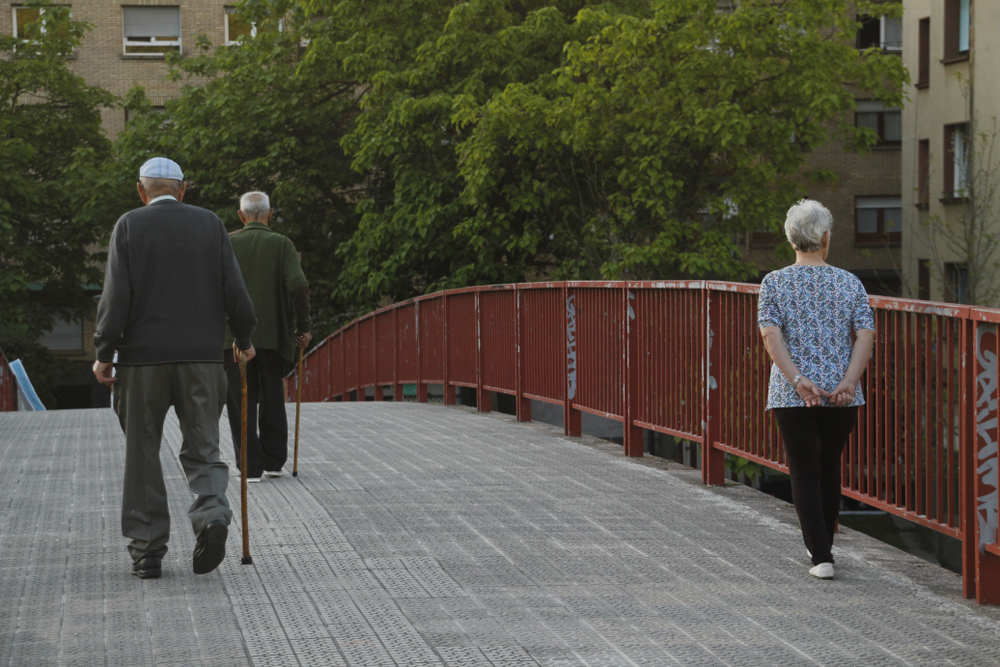
Susan has lived in her Upper West Side apartment for thirty-two years. She knows every shopkeeper on her block, can navigate the 1 train with her eyes closed, and still hosts Friday night dinners for her book club. She’s fiercely independent, and her adult daughter respects that.
But last winter, when Susan slipped getting out of the shower, she lay on the bathroom floor for twenty minutes before she could pull herself up. She didn’t tell her daughter. She didn’t want to worry her.
This is the tension so many Manhattan seniors face. You’re capable. You’re managing. But you’re also alone in a city that doesn’t always make things easy—especially as you get older.
If you’re a senior living alone in Manhattan, or if you’re the adult child of one, understanding your options for home care isn’t about giving up independence. It’s about protecting it.
Living alone in the city comes with unique risks—from navigating high-rise buildings to managing health emergencies when no one’s around.
In this guide, we’ll walk through the specific challenges Manhattan seniors face when living solo, the types of services that make the biggest difference, and what to look for when choosing a home care provider. We’ll also cover how to handle costs and payment options, and how the right support can help you stay safe and independent in the home you love.
The Challenges of Aging Alone in Manhattan
Manhattan living has its quirks. Apartments tend to run smaller than in other parts of the country. Many buildings are older, with narrow hallways and steep stairs. If you’re in a high-rise, you’re dependent on elevators for everything—grocery runs, doctor appointments, even just getting outside for fresh air. When that elevator goes out of service, even for a day, it affects your entire routine.
Weather adds another layer. Icy winter sidewalks require careful navigation. Summer heat and humidity can make walking any distance exhausting. And while public transportation connects the whole city, crowded subway platforms and buses can feel overwhelming as you get older.
When you’re living alone, these physical challenges intersect with safety concerns. A fall in your apartment means there’s no one immediately there to help. A sudden health issue—chest pain, dizziness, trouble breathing—requires you to get yourself help. Social isolation becomes a real risk too, especially if mobility issues make it harder to get out and see people.
This is where understanding your home care services in Manhattan options matters. The right provider knows how Manhattan works—buildings without parking, co-op boards with specific requirements, the logistics of getting caregivers where they need to be. They understand that serving seniors here means adapting to the city’s realities, not working around them.
Key Home Care Services for Seniors Living Alone

Personal care assistance includes help with bathing, dressing, and grooming. Some tasks become more difficult with age or health conditions—buttons are harder to manage with arthritis, getting dressed takes more energy than it used to, or you’d simply benefit from someone helping you wash and style your hair. This kind of support helps you start each day feeling put-together and comfortable.
Homemaker and companion services bring both practical help and companionship. A home health aide assists with meal preparation, light housekeeping, laundry, and errands. They also join you for walks, accompany you to appointments, or simply share conversation—support that addresses both the logistical and social realities of living alone.
Skilled nursing care becomes important when you’re managing chronic conditions like diabetes, heart disease, or COPD. A visiting nurse monitors your health, manages medications, and catches small issues early. If you’re recovering from surgery or a hospital stay, skilled nursing helps you heal at home.
Check-ins and monitoring services mean someone notices if something’s off. Regular phone calls, brief visits, or medical alert systems ensure you can get help quickly when you need it.
Living alone means your care plan needs to answer certain questions: What happens if you fall and can’t get up? Who’s your emergency contact if you’re suddenly ill? Who goes with you to the hospital? When you live with family, these answers are automatic. When you live alone, you plan for them ahead of time.
What to Look for in a Manhattan Home Care Provider
Not all home care agencies understand what it means to serve seniors in Manhattan. You need a provider with real local expertise—people who understand the unique challenges of city living and what it means to support someone living alone.
Look for these qualities:
Building literacy. Your provider should understand walk-ups vs. elevator buildings, service entrance requirements, doorman protocols, and how to navigate buildings where elevators occasionally go out of service. In a fifth-floor walk-up in the East Village, mobility assistance takes on a whole different meaning.
Careful staff matching. When you live alone, your caregiver becomes a significant presence in your life. You need someone whose personality works with yours, who respects your routines, and who you actually want to see several times a week. A good agency takes time with this matching process.
Reliability and backup coverage. What happens when your regular caregiver is sick? When you’re living alone, you can’t afford gaps in coverage. Ask about backup staff, how much notice you’ll get if there’s a schedule change, and what the emergency protocol looks like.
Trust and safety. Background checks, references, bonding, and insurance matter deeply. You’re giving someone access to your home and your most vulnerable moments. Before choosing any provider, learn how to choose the right home care services and ask the hard questions about vetting and training.
What Home Care Actually Costs in Manhattan
Cost is a real consideration, especially when you’re living on a fixed income.
In Manhattan, home care typically ranges from $25 to $40+ per hour, depending on the level of care you need. Personal care aides generally cost less than skilled nursing visits, while live-in or overnight care follows different pricing structures.
If you need daily support—a few hours each morning for help with bathing, dressing, breakfast, and medication—that works out to about 2-3 hours per day, or roughly $1,500 to $2,500 per month.
When you live alone, costs can shift based on what feels safe. Some seniors need round-the-clock coverage, while others do well with part-time help. Your needs might also fluctuate if you get sick or injured, requiring more intensive care temporarily before scaling back. Building flexibility into your budget helps you adapt.
Many Manhattan seniors qualify for financial assistance without realizing it. New York’s Medicaid program covers home care services for eligible individuals, and the Expanded In-Home Services for the Elderly Program (EISEP) helps seniors who need support but don’t meet Medicaid requirements. Seniors in rent-stabilized apartments often qualify for state programs that cover most or all of their care costs.
If you’re paying privately, you can usually create a plan that fits your budget—starting with a few hours per week for the most important tasks and adjusting from there. A home care assessment specialist who knows New York’s system can walk you through your options.
Even if you feel independent now, having a care plan ready means you’re not scrambling to arrange help while dealing with a fall or new diagnosis. Planning ahead gives you one less thing to worry about.
If you’re working with an experienced provider like Americare, they can help you navigate these financial options and create a care plan that works within your budget while meeting your needs.
Safety and Peace of Mind When You Live Alone
When you live alone, safety means having both the right setup in your home and people who notice if something’s wrong.
Here’s what creates real safety:
- Fall prevention at home. Bathroom safety modifications like grab bars near the toilet and shower, a shower chair, and non-slip flooring help prevent accidents. A good caregiver also keeps an eye on your surroundings during visits—watching for loose rugs, cluttered walkways, or dim lighting that could cause problems.
- Regular check-ins and emergency plans. Someone should be checking on you regularly, whether that’s family, a neighbor, or a professional caregiver. You also need a clear emergency response plan: who to call if you need help, what happens if your regular caregiver can’t come due to weather or transit issues, and where you keep important contact information and documents.
- Social connection for mental health. Living alone can lead to isolation, which affects your health as much as any physical condition. Loneliness and depression are real risks. Companion services provide regular social contact—someone to talk with, take walks with, or share a meal with—and that connection matters for your overall wellbeing.
If you’re working with an experienced provider like Americare, these pieces come together naturally. Their caregivers make regular visits, which means someone’s consistently noticing how you’re doing and can spot small changes before they become bigger problems.
How Americare Supports Manhattan Seniors Living Alone
For over forty years, Americare has been providing home care throughout New York City, including all of Manhattan’s neighborhoods—from Washington Heights to Battery Park, from the Upper East Side to Alphabet City. We understand this borough because we work here every day.
When you’re living alone, you need a care team that treats your independence with respect while providing real support. Our compassionate care team creates personalized plans based on your building’s requirements, your schedule, your preferences, and your budget.
The best way to understand what would actually help? A conversation in your own home. We offer free in-home assessments where one of our experienced nurses visits you, walks through your space, and talks with you about your daily routine. There’s no obligation—just a discussion about what kind of support would make the biggest difference for you.
If you’re an adult child trying to figure out how to help a parent who’s aging in place, we can walk you through that too. We know how hard it is to balance respecting someone’s independence with keeping them safe.
Taking the Next Step
Living alone in Manhattan doesn’t mean managing everything on your own. The right home care support helps you stay independent while keeping you safe in the home you love.
If you’re ready to explore what that could look like, contact our team or call 1-800-704-4341 for a free assessment.
Frequently Asked Questions
How many hours of home care does a senior living alone in Manhattan typically need?
It varies widely based on individual needs, but many seniors living alone start with 2-4 hours per day for morning routines—help with bathing, dressing, breakfast, and medication. Some only need a few hours a few times per week for companionship and errands. Others require around-the-clock care. A professional assessment can help you determine what’s right for your situation. The good news is you can start small and adjust as needs change.
Does Medicaid cover home care if I live alone in NYC?
Yes, New York’s Medicaid program covers home care services for eligible individuals, whether you live alone or with others. You may also qualify for EISEP (Expanded In-Home Services for the Elderly Program), which helps seniors who need support but don’t meet Medicaid’s income requirements. Income and asset limits apply, but many Manhattan seniors who’ve lived in rent-stabilized apartments qualify. It’s worth exploring your options with a home care agency familiar with New York’s programs.
What if the caregiver can’t get in because the elevator is out or the building has an issue?
This is a real Manhattan challenge, and experienced agencies plan for it. Reliable providers maintain communication with you and your building management, have backup plans for service disruptions, and ensure caregivers are physically able to manage stairs if necessary (in buildings where that’s feasible). If your building frequently has issues, mention this during your initial assessment so the agency can factor it into scheduling and staff assignment. In emergencies where a caregiver can’t access your apartment, your care plan should include alternative contacts and protocols.