
Getting discharged from the hospital should feel like a relief. But if you’ve ever brought a loved one home after a hospital stay—or been the patient yourself—you know it can feel like anything but.
For the person coming home, there’s the disorienting shift from having nurses check on you every few hours to suddenly managing on your own. You’re weaker than before. Simple tasks feel harder.
And for the family, there’s the stack of discharge papers, new medications to manage, and follow-up appointments to schedule—all while balancing work, kids, and the nagging worry that you might be missing something critical.
This is where home health aides become more than just helpful. They handle the daily details of post-discharge care, helping patients recover safely while giving families the breathing room they need.
When Coming Home Feels Complicated
One moment, there’s a team of nurses managing care around the clock. The next, everyone’s home, trying to figure out how to handle what that team was doing. The transition brings challenges that catch most families off guard.
Medication management becomes a daily challenge. There might be antibiotics that need to be taken with food, blood thinners that require careful timing, and pain medication that can’t overlap with certain other drugs. Miss a dose or mix up the timing, and complications become a real risk. For someone still recovering, trying to keep track of multiple prescriptions while also feeling unwell adds another layer of difficulty.
Physical recovery doesn’t follow a predictable timeline. Someone who’s been hospitalized for pneumonia, a stroke, or a fall doesn’t regain their strength the moment they walk through their own door. Getting to the bathroom safely takes real effort. Standing long enough to make a meal might not be possible yet. A shower requires careful planning. These aren’t small inconveniences—they’re daily realities that affect both the person recovering and anyone helping them.
The emotional weight settles in quickly. For the patient, there’s often frustration at not being able to do things that used to be automatic. There might be worry about being a burden, or fear about what happens if something goes wrong. For family members, the anxiety is constant: Am I doing this right? Should I call the doctor about this? What if I miss something important? That mental load becomes exhausting for everyone.
The risk of hospital readmission is real. Nearly one in five Medicare patients ends up back in the hospital within 30 days of discharge. Often, it’s not because the medical treatment failed. It’s because the warning signs at home—increased confusion, worsening symptoms, medication side effects—weren’t caught early enough. Without someone trained to spot these changes, small problems can quickly become serious ones.
What Home Health Aides Actually Do
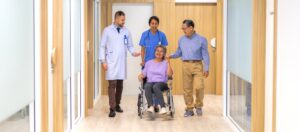
When people hear “home health aide,” they sometimes picture someone who just helps with bathing or makes meals. That’s part of it, certainly. But the role runs much deeper, especially in those critical first weeks after hospital discharge.
They help with daily care while protecting dignity. A trained home health aide becomes a steady, knowledgeable presence in the home. They help with bathing, dressing, and using the bathroom in a way that preserves dignity while ensuring safety. No more worrying about slipping in the shower or struggling to get dressed while still weak.
They keep medications on track. This sounds simple until you’re managing five different prescriptions with different schedules. A home health aide knows to watch for side effects, to make sure medications are taken with the right food or on an empty stomach, and to keep track of what’s working and what isn’t.
They prepare meals that actually support recovery. Nutrition directly impacts healing, but someone who’s just been discharged often doesn’t have the energy to cook. A home health aide can prepare meals that align with dietary restrictions—low sodium for heart patients, soft foods for those with swallowing difficulties, diabetic-friendly options—while making sure the person actually eats them.
They catch warning signs early. Home health aides are trained to notice changes that might signal trouble. Is someone more confused than yesterday? Is a wound looking red? Is breathing more labored than it was this morning? These are the kinds of warning signs that, caught early, can prevent a trip back to the emergency room.
They provide companionship and routine. Recovery can be isolating. Having someone there who engages in conversation, encourages physical therapy exercises, and helps maintain a sense of normalcy makes a real difference in both physical and emotional healing.
How This Changes Things for Families
When you have a skilled home health aide supporting recovery, the whole family dynamic shifts.
The overwhelm starts to lift. That constant mental loop—Did they take their medication? Should I call the doctor about this? What if something happens while I’m at work?—finally quiets down. You’re not checking your phone every ten minutes or lying awake worrying about whether your loved one is safe. Someone trained is there, handling what needs to be handled. For those living with their recovering loved one, it means you can actually sleep, step out to the store, or take a moment for yourself without the guilt and anxiety that’s been shadowing every movement.
Safety becomes reliable and consistent. A home health aide provides the kind of watchful care that prevents the small mistakes that lead to big problems. Medications get taken on time and in the right combinations. Someone unsteady on their feet has support getting to the bathroom. Warning signs get noticed before they become emergencies. There’s a continuity to the care that wouldn’t exist if different family members were piecing together coverage around their schedules.
Hospital readmissions become far less likely. When someone trained is monitoring recovery day to day, catching issues early, the chances of ending up back in the hospital drop significantly. A home health aide who notices increased confusion or more labored breathing can alert the medical team before it escalates into something more serious.
Life doesn’t have to stop for everyone. Most families can’t provide around-the-clock care indefinitely without everything else falling apart. There are jobs that can’t be abandoned, kids who need attention, basic life tasks that still need doing. Home care services in New York make it possible to be present for your loved one’s recovery without losing your job, neglecting your children, or burning out completely.
Finding the Right Support for Post-Discharge Recovery
Not all home health aides have the same training or experience, and post-hospital care requires specific skills. When you’re choosing home care services, a few key factors make all the difference.
Training and certification set the foundation. In New York, home health aides complete training that covers personal care, safety, infection control, and emergency procedures. This certification ensures they understand the basics of safe, professional care. It’s not optional—it’s the baseline that separates qualified aides from well-meaning helpers who lack the proper preparation.
Experience with post-hospital recovery matters even more. Someone recovering from a stroke needs support with mobility assistance and may be relearning basic tasks. Someone managing chronic pain needs an aide who understands pain management and can help them follow their prescribed therapy plan. Adults with disabilities have their own specific needs, and there are clear medical benefits of home care when it’s done right. An aide who’s worked with post-discharge patients before recognizes the signs of infection, knows when to escalate concerns, and understands the rhythm of recovery.
Flexibility and availability need to match your reality. Recovery doesn’t follow a 9-to-5 schedule. You might need someone there when your loved one wakes up and again before bed. Or perhaps overnight coverage is essential for the first week. The best home care providers in New York work with your family’s specific situation rather than offering only rigid scheduling options.
Trustworthiness and compatibility aren’t negotiable. You’re inviting someone into your home and entrusting them with your loved one’s wellbeing. References and background checks are essential, but so is the sense that this is someone your family can work with comfortably. The home care assessment process should be thorough; a good provider will visit your home, talk with your loved one and your family, review the discharge instructions, and create a care plan that considers everything from the layout of your apartment to your loved one’s personality and preferences.
Americare’s Approach to Post-Hospital Care
We’ve been supporting families through hospital-to-home transitions for over 40 years, and we’ve learned that cookie-cutter care plans don’t work for recovery.
Every care plan is built around the individual. We start by understanding what your loved one actually needs—not what a standard discharge checklist says they should need. Someone recovering from pneumonia has different challenges than someone who had a fall or a stroke. The care plan reflects those specific circumstances, from medication schedules to mobility support to dietary needs.
Our aides know New York and its challenges. They understand what it means to help someone navigate a fourth-floor walkup, arrange a small bathroom for safety, or coordinate care across the city’s healthcare system. When your aide is familiar with the realities of recovery in New York—from apartment layouts to local resources—it makes everything run more smoothly.
We coordinate with everyone involved in recovery. Your family isn’t left to manage communication between the aide, the doctor, physical therapists, and everyone else. Our compassionate care team stays in touch with medical professionals and keeps families informed about progress, concerns, and any changes in condition. Everyone stays on the same page.
Support is available when you need it, not just business hours. Recovery doesn’t pause at 5 PM or wait for Monday morning. We offer 24/7 support options and flexible scheduling that adjusts to your loved one’s needs, whether that means a few hours each day, overnight coverage, or round-the-clock care during those first critical weeks.
Taking the Next Step
The transition from hospital to home doesn’t have to feel overwhelming. With the right support, your loved one can recover safely and comfortably while you maintain your own wellbeing and responsibilities.
Professional home health aide support means someone trained is there to handle the daily details of recovery: the medications, the mobility assistance, the meal preparation, the watchful monitoring for warning signs. It means your stress levels drop, readmission risks decrease, and everyone in the family can breathe a little easier.
If your loved one is being discharged soon—or if you’re already home and realizing you need more support—contact our team to talk about what post-discharge care would look like for your situation. We’ll discuss your loved one’s specific needs, your family’s concerns and schedule, and create a care plan that makes this transition as smooth as possible.
Frequently Asked Questions
How long do home health aides typically stay after discharge?
The length of home health aide services varies based on individual recovery needs. Some families need intensive support for the first week or two, then gradually reduce hours as their loved one regains independence. Others require ongoing assistance for several months. During your initial assessment, we’ll discuss what level of care makes sense for your situation and adjust as recovery progresses.
Can a home health aide help with complex medication schedules?
Yes. Home health aides are trained to provide medication reminders and help manage complex schedules. They can organize medications, remind your loved one when it’s time to take them, and monitor for any concerning side effects. While they don’t administer medications in the way a nurse would, they’re skilled at ensuring medications are taken correctly and on time, which is crucial for recovery.
How do I know if my loved one needs a home health aide or skilled nursing care?
The distinction comes down to the level of medical care required. Skilled nursing involves tasks like IV medications, wound care requiring sterile technique, or monitoring complex medical equipment. Home health aides provide personal care, daily living assistance, and basic health monitoring. Many families need both—a nurse who visits regularly for medical tasks, and a home health aide who provides daily support. Your discharge planner or our care team can help you determine what combination of services your loved one needs.