

Brooklyn home care after hospital discharge involves short-term support to help patients recover safely at home during the first 72 hours — a time when readmission risk is highest. Depending on the discharge plan, support may range from personal care aides (PCAs) who help with daily activities to skilled nursing or therapy. Americare can typically begin services soon after outreach.
Translating discharge instructions into everyday life at home can feel overwhelming for many families. For example, who can help your father shower if he can’t safely stand on his own? Who can prepare meals while your mother is recovering from surgery? If a nurse or therapist is part of the discharge plan, who is coordinating those visits?
If your loved one is preparing to leave the hospital, now is the time to figure out what happens next. After all, every family’s hospital discharge planning looks different depending on the diagnosis and recovery timeline. This guide will help you identify the support they’ll need at home, what the hospital will arrange, and what your family may need to put in place before discharge.
What Happens in the First 72 Hours After Discharge
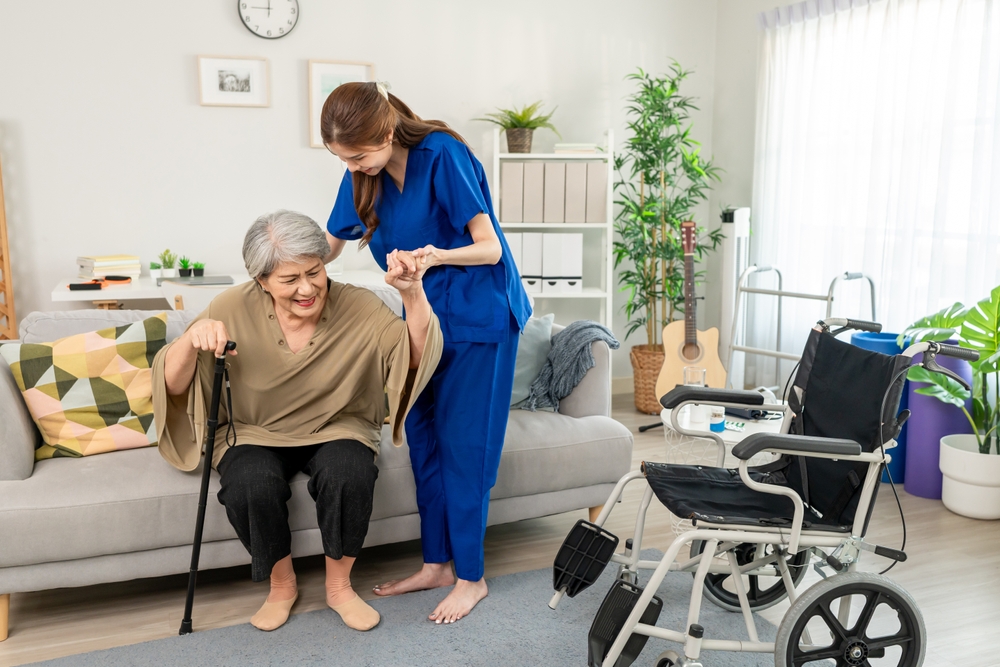
The first 72 hours after your loved one returns home are a high-risk period because they are transitioning from continuous hospital monitoring to managing recovery at home.
If you’re helping an older adult recover after a hospital stay, this is an important time to make sure they have their medications, understand the care plan, can move safely at home, and have follow-up care in place.
Once they arrive home, watch how they feel, whether they take medications, eat and drink, and follow discharge instructions. If something is unclear or does not seem right, call the doctor rather than waiting for the next appointment.
Your family member’s discharge instructions will be an important reference during this time. They should outline medications, activity restrictions, warning signs to watch for, follow-up care, and who to contact with questions. Depending on your loved one’s needs, the hospital may also refer them for rehabilitation, skilled nursing, therapy, or other services.
Why This Window Carries the Highest Readmission Risk
Most people recover at home without needing to return to the hospital. However, readmissions can and do happen due to medication errors, complications or infection, falls, or a return of the original condition. Data from the Centers for Medicare & Medicaid Services (CMS)show that nearly one in five Medicare patients return to the hospital within 30 days of discharge 1.
Readmission prevention involves paying close attention to medications, mobility, pain, wounds or incisions, and changes in symptoms. Watch for new symptoms, worsening, or different from what the hospital team told you to expect, including:
- Increasing pain that does not improve with the prescribed plan
- New confusion, unusual sleepiness, dizziness, or weakness
- Trouble breathing, chest pain, or a sudden decline in energy
- Fever, chills, or signs of infection
- Redness, swelling, drainage, or worsening pain around a wound or incision
- Nausea, vomiting, trouble eating or drinking, or difficulty keeping medications down
- New trouble walking safely, getting to the bathroom, or completing basic daily activities
Call your loved one’s doctor promptly if you notice a new or worsening symptom, have questions about a wound or medication, or are unsure whether a change is expected during recovery.
First 72 Hours: What to Watch For
| Timeframe | What to Do |
|---|---|
| Day of discharge | Confirm medication list matches prescriptions; arrange transport home |
| First 24 hours | Watch for confusion, dizziness, or unusual pain; set up basic home safety |
| 24-72 hours | Confirm the follow-up appointment; monitor wound sites or incisions |
| Day 3+ | Watch for signs of infection or missed medications that could trigger readmission. |
What Hospital Case Managers Do (and Don’t) Handle
Before discharge, your family may meet with a hospital case manager — also called a discharge planner or care coordinator. The case manager can help coordinate medical services you may need after discharge, such as home-health nursing, physical or occupational therapy, medical equipment, follow-up appointments, and referrals.
If your loved one has no one available to take them home, the case manager can also help with transportation planning. Be sure to let the case manager know before discharge so they can explain available transportation options based on the patient’s needs and coverage.
Under New York State’s Patients’ Bill of Rights, your family member has the right to a written discharge plan before leaving the hospital, as well as the right to name a caregiver who’s included in discharge planning and any post-discharge instructions 2. If no one has asked who that caregiver is, that’s a good question to raise with the case manager directly.
Case managers usually don’t arrange ongoing help with daily activities at home. If you think your loved one will need a home health aide after discharge in Brooklyn, reach out to the patient’s insurance company, Medicare, or Medicaid plan to find out about coverage. Home health aides can assist with bathing, using the bathroom, meals, moving safely around the home, or keeping up with medications.
Types of Post-Discharge Home Care Support
The type of transitional home care Brooklyn families need after a hospital stay depends on the diagnosis, recovery, and ability to manage safely at home. For example, a person recovering from surgery may need therapy and temporary help with bathing and meals, while someone returning home after a stroke may need rehabilitation plus ongoing support with mobility and daily routines.
How long support is needed also varies from person to person. Some people may need extra help only during the first days or weeks at home, while others may need support for months or longer — particularly if they have chronic conditions. The care plan can change over time as your loved one regains strength, becomes more independent, or develops different care needs.
Personal Care Aides for Daily Living
A Personal Care Aide (PCA) provides non-medical, hands-on support for someone too weak, sore, unsteady, or restricted after surgery to manage daily activities safely, but does not need skilled medical care.
A PCA may help with:
- Bathing, dressing, grooming, and toileting
- Getting in and out of bed or a chair
- Walking safely around the home
- Preparing meals and helping with eating
- Light housekeeping and laundry related to recovery
- Medication reminders and daily-routine reminders
PCAs are common after hip, knee, abdominal, back, and cardiac surgeries when patients are medically stable enough to go home but unable to bend, lift, stand for long periods, or move safely without help. A PCA can support the daily routine while the patient rests and recovers.
Skilled Nursing for Wound Care and Medication Management
Skilled nursing is clinical care provided by a licensed nurse. It may be needed after surgery or when a patient has medical needs that require monitoring, treatment, or teaching at home. For example, patients recovering from complex abdominal or cardiac procedures may have drains, ostomies, or medication regimens that require clinical knowledge.
An in-home nurse may help with:
- Surgical wound checks and dressing changes
- Monitoring for signs of infection or complications
- Injections, IV medication, or drain care
- Medication teaching and post-operative instructions
- Teaching the family how to use medical equipment or manage care safely
Coordinating Physical, Occupational, and Speech Therapy
A doctor or surgical team usually orders therapy when recovery affects safe movement or daily activities. It may take place at home, in a rehabilitation facility, or at an outpatient clinic — depending on the patient’s needs and ability to leave home. The most common types of therapy are:
- Physical therapy: helps with walking, stairs, balance, and getting in and out of bed. It is often recommended after hip or knee replacement surgery.
- Occupational therapy: helps those struggling with activities of daily living like bathing, dressing, using the bathroom, and preparing meals due to pain or movement restrictions.
- Speech therapy: may be recommended when swallowing or communication has been affected.
Signs Your Family Member Needs More Than Family Support
Families often start out trying to manage recovery on their own. But sometimes, it can become too much to handle physically, logistically, or medically. Professional support may make sense if your loved one:
- Needs hands-on help bathing, dressing, toileting, or getting out of bed
- Is weak, dizzy, unsteady, or at risk of falling
- Cannot safely prepare meals or move around the home alone
- Needs wound care, IV medication, drain care, or other nursing support
- Has trouble following post-surgery instructions or remembering medications
- Lives alone and has no one available during the day
- Has family caregivers who are balancing work, children, or their own health needs
For some families, recovery leads into longer-term support. Managing chronic conditions at home in Brooklyn often becomes part of that next stage of care.
Paying for Post-Discharge Home Care in Brooklyn
How you pay for post-discharge home care depends on your loved one’s needs and coverage. Common payment options include Medicare, Medicaid, private insurance, or paying out of pocket.
Medicaid-Funded PCA and MLTC Options
New York Medicaid may cover some post-discharge home care services in Brooklyn, including Personal Care Aide services for eligible people who need help with daily activities at home — such as bathing, dressing, toileting, mobility, meal preparation, and light housekeeping related to the person’s care.
These services are often arranged through a Managed Long-Term Care, or MLTC, plan. Your family member will typically have an assessment to determine their care needs and what services they may qualify for.
If your loved one has Medicaid, reach out as soon as you know they may need help after discharge. Ask whether they need a PCA assessment, what discharge paperwork is required, and how quickly care can begin.
Medicare’s Short-Term Skilled Care Coverage
Medicare may covershort-term home care after surgery in Brooklyn for eligible patients 3. This can include skilled nursing, physical therapy, occupational therapy, speech therapy, certain medical supplies, and durable medical equipment.
What Medicare generally does not cover is long-term, non-medical help with daily tasks alone. However, limited home health aide services are sometimes available if the patient is also receiving qualifying skilled nursing or therapy.
If your loved one has a Medicare Advantage plan, call the plan directly. Medicare Advantage plans may have provider networks, authorization rules, and their own process for arranging home-health services.
Questions to Ask Before Choosing a Brooklyn Home Care Agency
Choosing home care after surgery can feel rushed. You may be trying to coordinate discharge, medications, follow-up appointments, and transportation all at once. A few questions can help you find an agency that actually fits your family’s situation:
- How soon can care start, and is that timeline realistic given the discharge date?
- Who covers a shift if the assigned aide is sick or unavailable?
- Are aides trained specifically for post-surgical care, not just general daily support?
- How does the agency communicate updates to the family, and who do you call with concerns?
- Is the agency licensed and insured in New York, and can they coordinate with Medicaid or MLTC plans directly?
Helping Your Loved One Recover at Home in Brooklyn
Bringing a family member home from the hospital can feel like a welcome return to familiar surroundings, especially amid Brooklyn’s bustle. But recovery at home comes with its own challenges. Apartment stairs, subway trips to follow-up appointments, grocery runs, and everyday routines can suddenly become much harder when someone is weak, in pain, or still regaining their independence.
Having support in place can help your loved one focus on recovering at home while giving your family more confidence about what comes next. Schedule a free consultation to talk with Americare about arranging home care after a hospital discharge in Brooklyn.
If you’re looking for support for a loved one in Manhattan, read our guide to home care after hospital discharge in Manhattan instead.
FAQs
How quickly can home care start after a hospital discharge?
Americare can typically begin services soon after a family reaches out, depending on the level of care needed.
What’s the difference between a Personal Care Aide and a skilled nurse after discharge?
A Personal Care Aide helps with daily living, things like bathing, dressing, meals, and mobility. A skilled nurse handles medical tasks like wound care, medication management, and monitoring for complications.
Does Medicaid cover home care after a hospital stay in Brooklyn?
Yes. Medicaid-funded PCA and MLTC plans can cover post-discharge support for eligible New Yorkers, based on an assessed need.
What are the warning signs that home care isn’t enough?
Worsening confusion, fever, new or increasing pain, or a wound that looks infected are all reasons to call the doctor or escalate care right away rather than waiting.
Which Brooklyn hospitals does Americare coordinate with?
Americare coordinates with hospitals and discharge teams across Brooklyn to help families arrange care before a loved one leaves the hospital.
Schedule a Free Consultation
Resources
- Centers for Medicare & Medicaid Services. (n.d.). Community-based Care Transitions Program. https://www.cms.gov/priorities/innovation/innovation-models/cctp
- New York State Department of Health. (2019, February). Patient’s bill of rights for hospitals. https://www.health.ny.gov/professionals/patients/patient_rights/nyspbr_addnl_info.htm
- Centers for Medicare & Medicaid Services. (n.d.). Home health services. https://www.medicare.gov/coverage/home-health-services