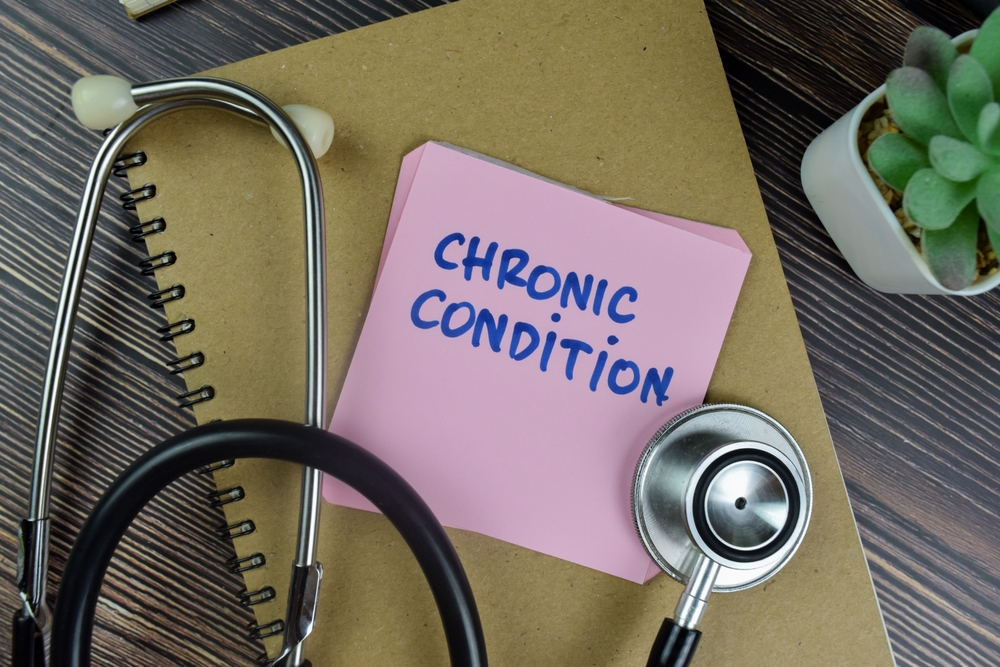
If you ever feel like your body is ready to stop before the day does, you’re not alone — over 90% of older adults live with at least one chronic condition. COPD, diabetes, and arthritis are just some of the health challenges notorious for pulling people away from daily chores, social plans, and everything in between.
Whether it’s fighting fatigue to get through the laundry or struggling to keep up with your packed appointment schedule, managing chronic conditions at home in Brooklyn is no easy task. But the good news is that you don’t have to do it all on your own. Brooklyn residents have access to many in-home resources — like local care coordination programs, home care providers, and medical house calls — that help them stay healthy and keep up with daily life.
In this guide, we’ll explore what chronic condition management looks like day-to-day, which Brooklyn programs are available to help, and how home care can support both seniors and family caregivers.
What Does In-Home Chronic Condition Care Look Like Day to Day?
Chronic conditions can take a big toll on your energy levels and mobility, all while filling your daily routine with countless medical and self-care tasks. Support from others like family caregivers, healthcare providers, and home care professionals can ease the burden of managing these many responsibilities — such as:
Medication management and health monitoring
Staying on top of medications, vital signs, and changes in health is crucial for maintaining optimal health and preventing complications.
Personal care and physical assistance
Bathing, dressing, and getting around the home or city can be a challenge for those with chronic conditions — yet these activities are necessary for emotional and physical well-being.
Nutrition support and meal preparation
For those with conditions like heart disease, diabetes, and high blood pressure, preparing meals that adhere to doctor-recommended guidelines can easily take up much of the week.
Care coordination between providers
Caring for chronic conditions often involves multiple specialists, frequent appointments, and tailored treatment plans. Staying on top of all appointments and medication changes — and keeping the entire care team in the loop — requires a lot of organization and busy work.
Which Chronic Conditions Most Commonly Require Home Care Support?
There is a wide range of long-term health conditions that affect older adults, including respiratory, metabolic, and neurological conditions. Some common conditions include:
Diabetes and cardiovascular conditions
Conditions like diabetes, heart disease, and hypertension often require individuals to keep very close tabs on their medications, symptoms, and diet — a set of responsibilities that can be very challenging to manage on one’s own.
Parkinson’s disease and neurological conditions
Neurological illnesses like Parkinson’s disease and multiple sclerosis can affect balance, coordination, and mobility. Many families seek additional support to help loved ones remain safe and independent at home.
COPD and respiratory conditions
For those living with conditions like COPD or emphysema, keeping up with household chores and grocery shopping can easily leave them feeling winded and exhausted.
Stroke recovery and ongoing support
While every stroke recovery journey is different, some survivors continue to experience challenges with mobility, communication, or daily routines long after leaving rehabilitation.
Because of the unique challenges and complexities of different health conditions, many home care providers have experienced aides and nurses on staff who can offer condition-specific home care management.
How Does Brooklyn’s Health System Affect Chronic Care at Home?
Brooklyn residents have access to some of the world’s top hospitals and medical providers. However, even the highest-quality care can be challenging to navigate. Older adults with chronic conditions often face many challenges when it comes to managing and receiving health care:
Coordinating across major Brooklyn health systems
Brooklyn is home to major healthcare providers like Maimonides Health, NYC Health + Hospitals, SUNY Downstate, and NYU Langone Brooklyn. Many seniors see providers at more than one of these providers, making it more challenging to coordinate appointments and treatment plans.
Transportation and appointment access challenges
Long travel times, subway stairs, and prompt train departure schedules are no easy match for those already struggling with mobility limitations or fatigue.
Multilingual care needs in Brooklyn’s diverse communities
With hundreds of languages spoken and a third of its population foreign-born, Brooklyn is one of the most ethnically diverse urban areas in the world. Residents need home care providers who speak their native tongue to prevent misunderstandings and build trust.
What Brooklyn and NYC Programs Support Seniors with Chronic Conditions?
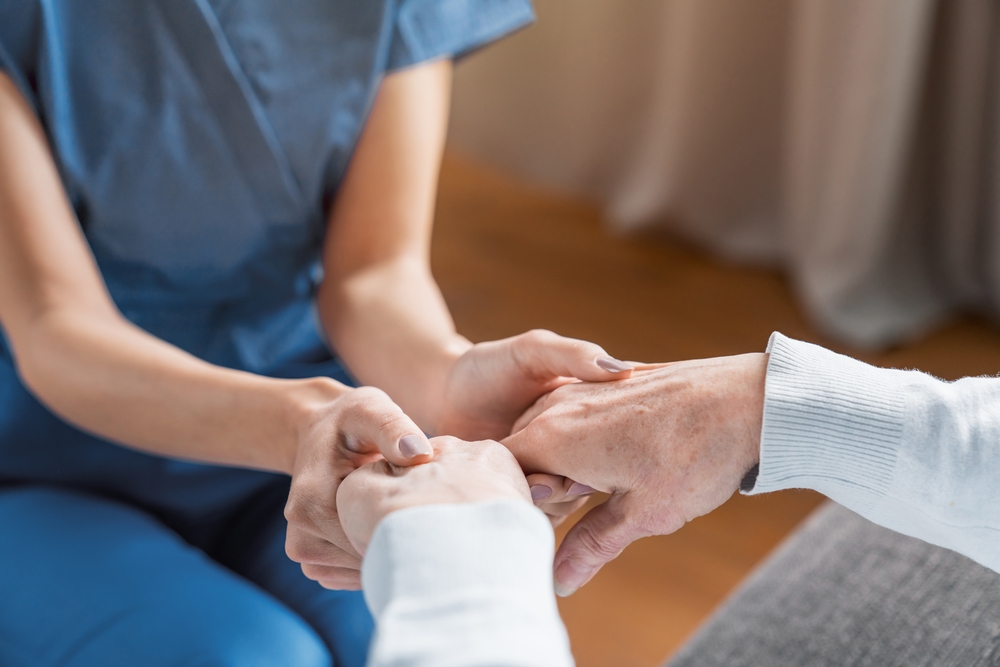
New York City offers several government-subsidized services to help people manage long-term health conditions, including:
NYC Health Home Program and care coordination
NYC Health Home is a coordination program that’s completely free of charge for those enrolled in New York State Medicaid with one or more qualifying chronic health conditions. Participants are assigned a dedicated care coordinator who creates a plan of care, schedules appointments, and assists with other social services as needed. Services are delivered through a network of Health Home providers across New York City.
CAMBA Health Link and community-based support
CAMBA Health Link is one of several Health Home programs serving Brooklyn residents with qualifying chronic health conditions. Eligible Medicaid recipients are paired with a dedicated care manager who helps coordinate care and navigate the healthcare system.
NYC Aging and local resources
NYC Aging is the city agency that oversees services and support programs for older adults and their caregivers. For seniors managing chronic conditions, NYC Aging can help connect families with benefits counseling, caregiver support, nutrition programs, home-delivered meals, wellness services, and long-term care planning resources.
When Is Professional Home Care the Right Support for Managing Chronic Conditions?
If you’ve never received home care before, it can feel like a big step to take — and may even feel like a loss of independence. However, home care is often necessary to preserve autonomy and well-being, enabling you to live a healthy, fulfilling life.
Signs that daily care needs a professional component
Wondering if home care for chronic conditions is a good choice for you or a loved one?
Home care is worth considering if you’re starting to notice that a condition is becoming more difficult to manage independently. This may look like:
- Frequently missing medications or forgetting refills
- Struggling to keep up with medical appointments
- Experiencing falls or mobility challenges
- Having difficulty with bathing, dressing, meal preparation, or other daily activities
- Returning home after a hospitalization or rehabilitation stay
- Relying heavily on family members for everyday care
How a home health aide supports chronic condition management
Home health aide services play a crucial role in supporting older adults living with chronic diseases. These skilled caregivers make day-to-day life safer and more manageable by taking on responsibilities in several core areas:
- Symptom monitoring
- Medication reminders
- Nutrition assistance
- Mobility and fall prevention
When skilled nursing is needed alongside aide services
While many seniors can be supported by a home health aide alone, some chronic conditions eventually require clinical oversight from a licensed nurse. Skilled nursing care at home may be appropriate for seniors who:
- Require injections, IV therapy, or other clinical treatments
- Need ongoing wound care following surgery or illness
- Have recently been discharged from the hospital and need close monitoring
- Experience frequent symptom flare-ups or changes in condition
- Require regular assessments to help prevent complications and hospital readmissions
How to Arrange Home Care for a Chronic Condition in Brooklyn
Many people start looking for home care services in Brooklyn by making a list of the best providers in their area and looking at their insurance and government benefits. Once that’s done, the next step is to schedule an assessment with a top provider.
What an in-home care assessment covers
An in-home care assessment is the first step in creating a personalized care plan. During this assessment, the provider will evaluate medical history, daily living needs, and home environment to determine which services may be most beneficial.
How to match care level to condition needs
Some seniors only need a few hours of assistance each week, while others benefit from daily or around-the-clock support. Your home care provider and medical team will help you determine the best level of care based on factors such as mobility, medication needs, and overall health.
How quickly care can begin after an assessment
Families can often begin home care shortly after an assessment is completed, but this can vary depending on factors such as the services needed, insurance approvals, and caregiver availability. It’s best to start the home care process proactively — and before a crisis occurs — so that decision-making isn’t rushed for the older adult and their family.
Frequently Asked Questions About Chronic Condition Home Care in Brooklyn
What services help manage chronic conditions at home?
Common home care services for those with chronic conditions include medication management, symptom monitoring, skilled nursing services, meal preparation, mobility support, transportation to medical appointments, and care coordination.
Does Medicare cover home care for chronic conditions?
Medicare may cover medically necessary skilled nursing or therapy services when eligibility requirements are met. Long-term personal care services are generally not covered by Medicare alone.
How does a home health aide help with chronic illness?
Home health aides help older adults successfully manage the day-to-day realities of living with a chronic condition. Their support can make it easier to follow care plans, maintain healthy habits, and remain independent at home, even as health needs become more challenging over time.
What is the difference between chronic care management and home care?
Chronic care management focuses on coordinating medical services and treatment plans. Home care provides hands-on assistance with daily activities, delivered in the home.
Whether it’s peacefully taking the bus to a specialist appointment in Manhattan or meeting friends for lunch in Prospect Park, most seniors want the same thing: the ability to continue living life on their terms.
Home care can help preserve that independence. With the right support, older adults can spend less time managing the challenges of a chronic condition and more time enjoying the people, places, and routines that make Brooklyn feel like home. If you’re exploring care options for yourself or a loved one, support is available. Get started with home care today or contact our team to learn more!