
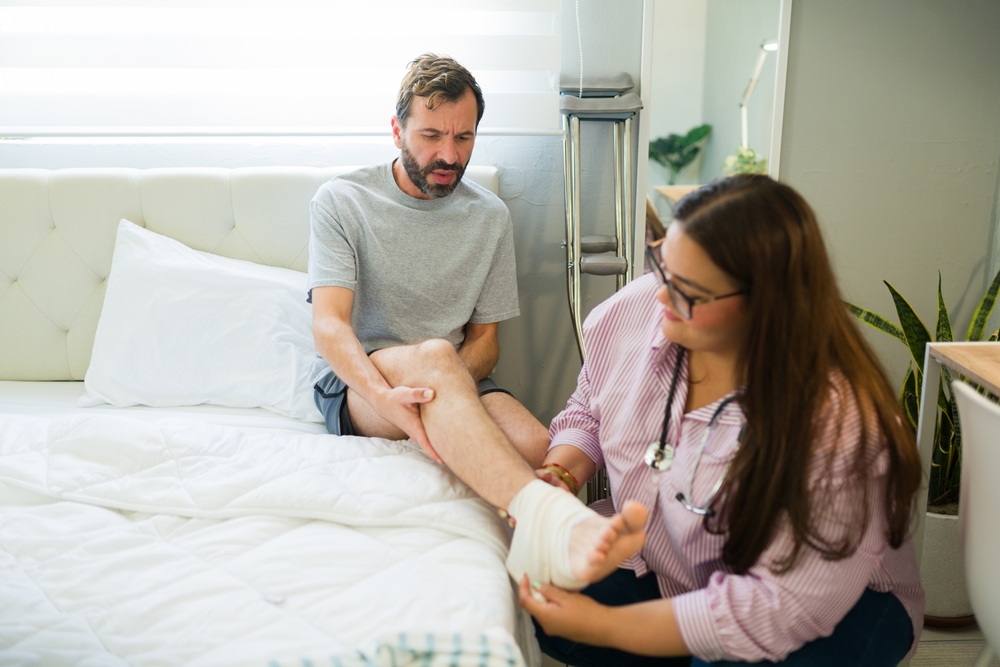
You have a knee replacement surgery booked at Mount Sinai Hospital, and the reality of recovery is starting to sink in. While you’re relieved that there’s finally an end in sight to your mobility issues, you’re also wondering what recovery will look like once you’re back home.
How will you manage the stairs in your Upper West Side high-rise, keep up with laundry, or safely shower? And with your children living out of state, who will be there to support your recovery day to day?
For many Manhattan adults and seniors, the hardest part of surgery isn’t the procedure itself — it’s the transition back home. Whether you’re booked for a cardiac, orthopedic, neurological, or other surgery, you know that your everyday routine is going to look a little different for a while.
During this vulnerable time, home care after surgery in Manhattan can provide the extra support you need to recover safely, comfortably, and with greater peace of mind. This guide was written to help you understand what to expect from hospital discharge through home recovery and to address many of the questions that arise along the way. From typical recovery timelines to the practical details of arranging home care and understanding estimated costs, we’ll help you better prepare yourself or a loved one for a smoother recovery process.
What Is Post Surgery Home Care?
While returning home after a hospitalization is often a welcome relief, it brings a new set of challenges. Recovery doesn’t happen overnight, and many people need tailored support to heal as quickly as possible and without complications.
Depending on your specific health condition and procedure, home care needs will vary. Here’s a look at the typical recovery and support process for common surgeries.
Services Included in Post-Surgical Home Care
Home health care providers can help you with a wide range of needs while your mobility is limited and your medical care is temporarily more demanding. This includes wound care, vital sign monitoring, medication management, mobility assistance, personal care, and more.
Skilled nursing vs. home health aide care
Not all post-surgical care is medical. Some people primarily need help with day-to-day tasks, while others require monitoring from a licensed nurse during recovery. Home care agencies in Manhattan typically staff both nurses and home health aides.
In many cases, families use a combination of both services. A patient may have periodic visits from a nurse for medication management or wound care while also relying on a home health aide for day-to-day support.
How long does post-surgery care typically last
Post-surgery home care varies depending on the nature of your surgery and condition, ranging from a few days to a few months of support.
Typically, the first few days are the most critical, involving close monitoring and medical treatment. Many patients will only need care for another 1-2 weeks, while those who underwent major surgery, such as hip replacement or neurological surgery, may require some level of support for a couple of months. Families recovering from neurological events may also benefit from ongoing guidance on caring for a stroke patient at home, even after home care ends.
As mobility improves and pain decreases, many families gradually reduce the number of care hours needed.
Surgery Types That Commonly Require Home Care in Manhattan

Orthopedic Surgery (Hip Replacement, Knee Replacement, Spinal Surgery)
Orthopedic procedures are among the most common reasons Manhattan adults seek home care after surgery. Home health aides can greatly reduce fall risk and safely support mobility for those recovering from:
- Hip replacement
- Knee replacement
- Spinal surgery
- Shoulder replacement
Cardiac Surgery
Recovery after cardiac surgery can be physically and emotionally draining. Faced with increased fatigue and activity restrictions, these patients benefit from daily support to reduce overexertion. Additionally, these patients typically require close monitoring by skilled nurses to manage medications and monitor for complications.
Common cardiac procedures that may require home care include:
- Bypass surgery
- Heart valve surgery
- Pacemaker procedures
Abdominal and General Surgery
Recovery from abdominal and general surgery is often shorter and less intensive than recovery from major orthopedic or cardiac procedures. However, patients may still need temporary support due to reduced mobility or dietary restrictions.
Common abdominal and general surgeries that may require home care include:
- Colon surgery
- Hernia repair
- Gallbladder surgery
Cosmetic and Plastic Surgery Recovery
Recovery from cosmetic procedures can be surprisingly demanding, especially for those living alone. Temporary activity restrictions, post-surgical fatigue, and transportation limitations can make it difficult to safely manage daily routines independently.
Common cosmetic and plastic surgery procedures that may require home care include:
- Facelift recovery
- Eyelid surgery
- Other elective cosmetic procedures with mobility or lifting restrictions
What to Expect: A Timeline for Post Surgery Home Care
While no two surgeries look the same, most patients go through similar stages pre- and post-operation.
Before your surgery (arranging care in advance, talking to your hospital)
Arranging care before surgery will help you get matched with the best home care solution that meets your needs, ensuring a smoother transition back home. Before your procedure, you’ll want to speak with your care team at Mount Sinai Hospital, NYU Langone Health, NewYork-Presbyterian Hospital, or your specific Manhattan hospital to understand better what level of support may be needed once recovery begins.
Discharge day (what happens at the hospital, getting home safely)
Once your vital signs have stabilized and immediate recovery goals have been met, your care team will send you home with recovery guidelines and medication instructions. Many patients require support at this home to get back home and settled, and to pick up any necessary prescriptions.
The first week at home (intensive support period)
Your pain, fatigue, and swelling typically peak during the first week, requiring the highest level of daily care. Your home health aid or skilled nurse plays a crucial role at this point with administering medication, dressing wounds, preparing meals, and assisting with bathing.
Ongoing recovery (tapering care as you regain independence)
As your recovery progresses, you’ll be ready to reduce the amount or level of care that you need. Even once daily skilled nursing care is no longer necessary, many patients still benefit from home health aide services a few times a week to help with transportation, light housekeeping, and personal hygiene.
How to Arrange Post Surgery Home Care in Manhattan
So you know that you or a loved one needs home care after surgery in Manhattan, but how do you actually set it up? With so many home care agencies in New York, it can be overwhelming to know where to start. Here are some ways you can simplify the process:
Working With Your Hospital Discharge Planner or Social Worker
Most Manhattan hospitals have discharge planners or social workers who help patients coordinate post-surgery home care in Manhattan families can rely on before leaving the hospital. These professionals can help you understand the level of support that’s needed and put you in touch with the best home care providers for your situation.
Contacting a Home Care Agency Directly
If you’re looking to arrange home care far in advance or have specific care preferences, you may want to research options in your area and start reaching out directly. To narrow down your search, be sure to focus on home care agencies that operate in your borough, have experience with your specific condition or procedure, and can cater to language or cultural preferences as desired.
How Quickly Can Care Start
With advance coordination, a caregiver can be scheduled to meet the patient at home on the same day the patient leaves the hospital. If care hasn’t been coordinated before discharge, many Manhattan home care agencies can still arrange support within 24 hours, depending on availability.
What Home Care Costs After Surgery in Manhattan
As you budget for our medical costs, it’s important to get a sense of the typical range of home care costs post-surgery.
Hourly rates for post surgery care
You can expect to pay your home care provider somewhere between $25 and $40 per hour, depending on the caregiver’s qualifications and the level of support needed. Home health aides typically charge low rates, while skilled nursing care demands higher rates.
Typical duration and total cost estimates
Once you have a ballpark hourly rate, you’ll need an estimate of the total number of hours to arrive at the final cost. Based on typical rates of $30–$45 per hour, post-surgical care costs may look something like this:
| Type of Recovery | Typical Duration | 3 Days/Week | 5 Days/Week | Daily or Intensive Support |
| Cosmetic or outpatient surgery recovery | Several days to 2 weeks | ~$350–$700/week | ~$600–$900/week | Rarely needed |
| Orthopedic surgery recovery | 2–6 weeks | ~$700–$1,200/week | ~$1,200–$1,800/week | ~$2,500+/week |
| Abdominal surgery recovery | 2–4 weeks | ~$500–$900/week | ~$900–$1,500/week | ~$2,000+/week |
| Cardiac surgery recovery | 4–8 weeks | Less common | ~$1,500–$2,500/week | ~$3,000+/week |
How to Pay for Post-Surgery Home Care
Most people don’t pay for post-surgery home care entirely out of pocket, as several insurance and government aid programs can offset costs:
Medicare Coverage and Limitations
Medicare may be an option for those who need skilled nursing or rehabilitation therapy services prescribed by a physician. It is typically not covered for entirely non-medical caregiving services, such as meal preparation and transportation.
Private Insurance
Some private insurance plans may provide partial coverage for skilled nursing or home health services after surgery. Coverage varies significantly depending on the provider, policy, and type of procedure, so families should review their benefits carefully in advance.
Private Pay Options
Because non-medical home care is often not fully covered by insurance, many Manhattan families use private pay home care options during recovery. Home care agencies can typically help families build a flexible care plan that fits both their recovery needs and budget.
Recovering in a Manhattan Apartment
With most Manhattan residents living in apartments rather than single-family homes, recovery can involve unique challenges not faced by suburban residents. That’s why it’s so important to work with a local agency with expertise in the geography, its local hospitals and care providers, and transportation options. Below are some of the unique challenges of recovering from surgery in New York.
Navigating High-Rise Buildings and Walkups
Whether you live in a high-rise on the Upper East Side, a fifth-floor walk-up in the West Village, or a Midtown studio with parking restrictions, getting around after surgery in New York can feel impossible. Stairs, elevator waits, narrow hallways, and crowded living spaces make mobility even more challenging during a physically demanding time.
What Caregivers Can Help With in Small Spaces
Experienced Manhattan caregivers understand how to adapt recovery support to smaller apartments and city living. From bathing in compact bathrooms to preparing meals in tight kitchens, recovering in a small apartment can present unique safety and mobility challenges after surgery. A skilled home health aide can help reduce the risk of falls and make everyday routines more manageable during recovery.
What If You Have No One to Help After Surgery?
Hiring home care for your surgery recovery often feels like a last resort for those who already feel isolated or would prefer family care. Yet the truth is that this situation is incredibly common — many patients don’t have family nearby, or their spouse or children are unable to dedicate enough time due to work or personal health restrictions.
Professional home care bridges the gap for so many adults and seniors in Manhattan. Whether you need daily skilled nursing support or a few hours of transportation assistance every week, having trained help in place can make recovery much less stressful — and grant peace of mind to family members who may be coordinating care remotely.
Frequently Asked Questions About Post-Surgery Home Care in Manhattan
Does Medicare pay for home health care after surgery?
Yes, with limitations. Medicare can cover certain short-term skilled nursing or therapy services prescribed by a physician, but it generally does not cover non-medical home health care.
Can I hire someone to take care of me after surgery?
Yes. Many patients rely on paid health aides or nurses to help during recovery, especially if they live alone or have limited family support nearby.
What if I have no one to drive me home after surgery?
Many home care agencies offer transportation support to patients after procedures.
How much does post-surgery home care cost in Manhattan?
In Manhattan, post-surgery home health care ranges from roughly $30 to $45 per hour. Total costs often range from $1,000 to $5,000 for 1–2 weeks of care, depending on how many hours of assistance are needed each day. Patients recovering from more intensive surgeries may require more ongoing care, yet they typically can gradually reduce the amount of care they need over time.
How do I choose a post-surgery home care agency?
Look for a licensed agency with experience coordinating post-surgery home care in Manhattan that offers flexible scheduling options and caregivers trained to support mobility and safety needs after hospitalization.
Preparing for surgery is overwhelming enough — the last thing you want is your fears about the recovery process keeping you up at night. Know that Americare is here to help, whether you’re navigating your own procedure alone or are coordinating care for a loved one from afar. You can request a free home care assessment or contact our team to learn more about post-surgical home care services in Manhattan.