
When you hear the term home care, you’re likely to imagine ongoing care for seniors with chronic conditions like Parkinson’s or dementia. Yet the reality is that home care is frequently used on a short-term basis for adults recovering from a hospital stay, injury, or illness.
Home care doesn’t have to be a lifelong commitment — it can be temporary support for those on the road to recovery. It’s also a solid alternative to a temporary rehabilitation or assisted living stay for those who prefer to recover at home.
Whether you’re researching home care options for yourself after surgery or you’re a primary caregiver in need of backup coverage while traveling, this guide will help you better understand how short-term home care works in NYC, including what services may be included, how long care typically lasts, and what families should expect when arranging temporary support at home.
What Short-Term Home Care Means
Not every home care situation is permanent. In many cases, families only need support for a limited period of time while someone recovers from surgery, regains strength after an illness, or transitions home from the hospital. Short-term home care is designed to provide temporary assistance during these recovery or caregiving gaps, helping patients remain safely at home while they heal.
A Simple Definition of Short-Term Home Care
Short-term home care is in-home assistance provided over a period of days to months for an individual recovering from a health setback. This support, typically given by a home health aide or skilled nurse, may include medical care, medication management, meal preparation, bathing and dressing support, and transportation assistance.
How Long Does Short-Term Care Usually Last
On average, short-term home care lasts anywhere from 1 to 3 weeks. However, recovery timelines vary depending on the patient’s condition, procedure, and overall health. The goal is typically either to help the individual recover and rehabilitate back to their normal daily routine or to provide gap coverage until the regular caregiver is available.
How Short-Term Care Differs From Long-Term Home Care
Long-term home care is ongoing assistance that promotes autonomy and well-being for those with chronic conditions and/or seniors who want to age in place. Short-term care has a clear endpoint, as it’s generally offered as temporary medical support for someone expected to regain full health. At times, short-term care is also used as a stopgap for a senior in need of ongoing care.
Who Uses Short-Term Home Care in NYC
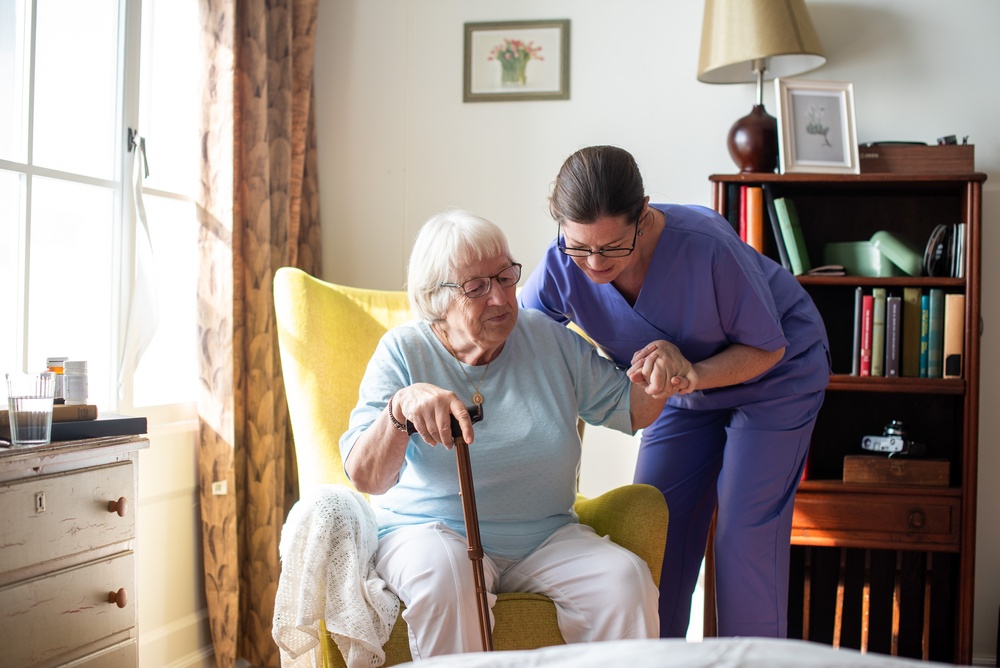
Short-term home care supports a wide range of recovery and caregiving situations across New York City:
Recovery After Surgery or Hospitalization
From knee replacement to cardiac procedures, home care helps NYC families safely manage mobility limitations and medical care needs after planned procedures.
Temporary Support After Illness or Injury
Sudden infections, falls, illnesses, or other unexpected conditions often require short-term care to restore independent and safe living.
Respite Support for Family Caregivers
For primary caregivers who need temporary relief from caring for a loved one, short-term care is an ideal solution. Whether it’s due to work demands, travel, or burnout, caregiver breaks can be more easily managed with outside support from home care agencies.
Types of Short-Term Home Care Available in NYC
There is a range of home care provider options depending on the patient’s health conditions and care needs. This includes:
Home Health Aide and Personal Care Support
Home health aide services in NYC are ideal for those who need support with daily activities rather than medical care — such as bathing, dressing, meal preparation, mobility, transportation, and light housekeeping. This is common among those with limited mobility while recovering from orthopedic surgery or a temporary illness.
Skilled Nursing Care at Home
Patients recovering from more medically complex procedures may require skilled nursing care at home from a registered nurse (RN) or licensed practical nurse (LPN).
Skilled nursing may involve wound care, medication administration, monitoring vital signs, and helping manage more complicated recovery plans after surgery or hospitalization.
Therapy, Recovery, and Care Coordination Support
Some patients benefit from additional rehabilitation or recovery coordination during short-term care. This may include physical therapy exercises, transportation to appointments, communication with discharge planners, or coordinating multiple services after hospitalization.
Companion Care and Safety Check-Ins
Emotional health is a crucial component of overall health, and for those who live alone, companionship may be all that’s needed to maintain healthy independent living. Common among NYC seniors aging in place, this service provides companionship, safety supervision, meal reminders, or periodic check-ins for those recovering on their own.
How Much Short-Term Home Care Costs in NYC
The cost of short-term home care in NYC depends on the level of support needed, the number of care hours required, and whether skilled nursing services are involved. Below are some factors to consider:
Typical Hourly and Daily Cost Ranges
In New York City, home health care typically ranges from $30–$45 per hour, with home health aides at the lower end and skilled nurses at the higher end (or even higher for complex conditions).
For families using temporary recovery support, total short-term care costs often range from roughly $700–$2,500 for 1–2 weeks of care, depending on the number of care hours needed.”
Factors That Affect Short-Term Care Pricing
Every patient’s situation is unique, which can vastly affect costs. For example, someone recovering from cataract surgery may only need a few hours of help several days a week. At the same time, a patient who underwent a major cardiac procedure is likely to require daily skilled nursing care for at least the first week.
In general, the overall cost of care is influenced by:
- The number of care hours needed each day
- Whether overnight, weekend, or live-in care is required
- The level and complexity of medical support necessary
- The length of the recovery period
How to Pay for Short-Term Home Care in NYC
As a New York resident, you have several options available when it comes to covering the cost of short-term home care. While costs may initially seem steep, the good news is that most medically necessary short-term care is covered by insurance or government aid:
Medicare Coverage and Limitations
Medicare can often cover short-term skilled nursing or therapy services prescribed by a physician. However, it does not cover non-medical caregiving assistance such as mobility support, housekeeping, meal preparation, or transportation.
Medicaid and Managed Care Considerations
Some NYC patients may qualify for Medicaid-funded home care services or programs like the NHTD waiver program, depending on their eligibility and medical needs.
Private Pay and Long-Term Care Insurance
Long-term care insurance will sometimes cover certain types of respite care or short-term in-home support, particularly for individuals with mobility or cognitive limitations. However, some policies require policyholders to pay out of pocket for the first several weeks or months of care before coverage begins, which may make it less useful for very brief recovery needs.
For those who aren’t eligible for insurance benefits — or who are looking for non-medical companion services that aren’t typically covered — many home care agencies also offer flexible private-pay home care options.
How to Choose the Right Short-Term Home Care Setup
The best short-term home care plan for you or your loved one will depend on the patient’s medical needs, mobility level, and overall recovery plan. Finding the best provider typically comes down to carefully assessing recovery expectations and speaking with a short list of providers in your borough.
Matching Services to the Recovery Plan
Whether you need a home health aide, skilled nursing care, or occasional safety checks depends on the specific health condition, injury, or surgical procedure.
- Surgery recovery: Mobility assistance, transportation to follow-up appointments, help with household tasks, wound care, and monitoring of vital signs
- Illness or hospitalization recovery: Medication reminders, meal preparation, safety supervision, and temporary daily assistance
- Injury or fall recovery: Mobility support, fall prevention assistance, and help navigating stairs or apartments safely
- Respite care situations: Temporary backup coverage, companionship, and assistance with daily routines while family caregivers take a break
If you’re unsure which option is best, reach out to your hospital discharge planner or a social worker to better understand what level of support may be appropriate after hospitalization or surgery.
Questions to Ask Before Care Begins
Before arranging short-term home care, families should ask:
- What level of care is actually needed?
- How many hours of support will recovery realistically require?
- Will skilled nursing care be necessary?
- How quickly can care begin?
- Does the agency serve your borough and neighborhood?
- What happens if care needs change during recovery?
Families who are new to home care may also benefit from learning more about what to expect from an in-home care assessment before services begin.
How Quickly Short-Term Home Care Can Start
Short-term home care can often begin immediately after hospital discharge. Some families arrange services ahead of surgery or hospitalization so support is already in place when the patient returns home. In contrast, others coordinate care within 24 hours after an unexpected illness or injury.
Americare provides home care across all five boroughs, helping families coordinate temporary support throughout New York City.
Frequently Asked Questions About Short-Term Home Care in NYC
Does Medicare pay for short-term home care in NYC?
Yes, with limitations. Medicare may cover certain short-term skilled nursing or therapy services prescribed by a physician, but it generally does not cover ongoing non-medical caregiving assistance.
How long is short-term home care?
Short-term home care typically lasts anywhere from a few days to several weeks, depending on the patient’s recovery plan and level of support needed.
What services are included in short-term home care?
Short-term home care services may include skilled nursing care, medication reminders, mobility assistance, meal preparation, transportation, companionship, and personal care support.
Is short-term home care the same as respite care?
Not exactly. Respite care is short-term, but it’s not the only type of short-term care. Short-term home care encompasses temporary recovery support for surgery, illness, injury, or hospitalization, while respite care refers to temporary relief for family caregivers.
When should a family choose skilled nursing instead of an aide?
Patients recovering from medically complex surgeries or conditions are more likely to benefit from skilled nursing care rather than non-medical aide support. These patients typically need help with wound care, medication management, and health monitoring that home health aides cannot provide.
Whether you’re planning for an upcoming procedure or looking for temporary support after an unexpected health setback, Americare can help you better understand your options and determine which level of care makes sense for your situation. We know how overwhelming it can be to arrange short-term care for yourself or a loved one, and that’s why our team is here to get to know your care needs and answer any questions. To learn more about temporary support options in New York City, you can get started with home care or contact our team.