
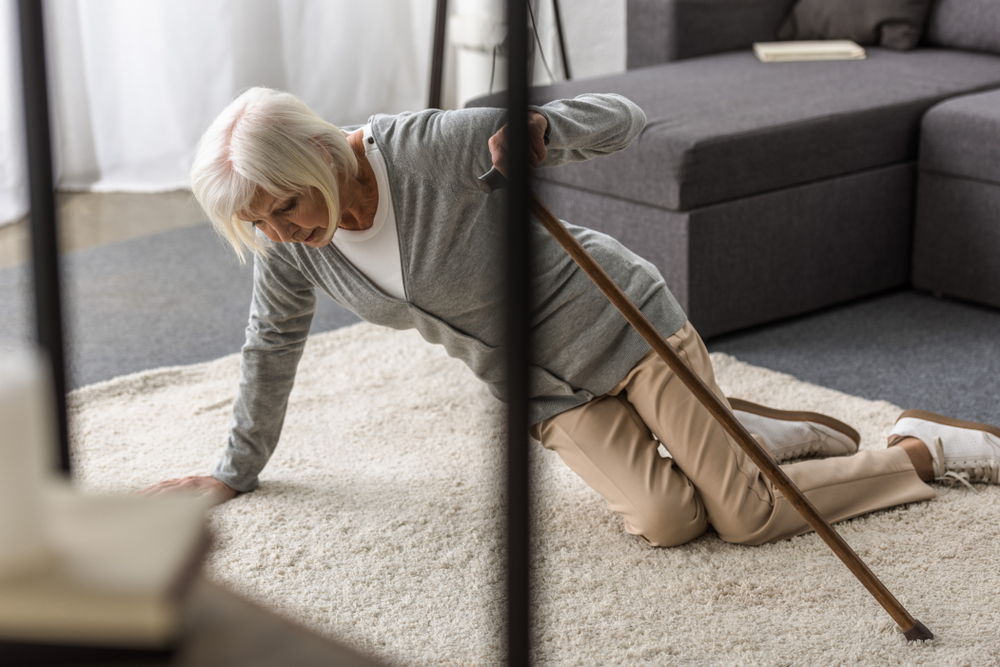
Caring for a senior after a fall requires immediate medical assessment followed by in-home recovery and safety considerations. If you’re with your loved one, stay calm, reassure them, and check for pain or signs of injury before deciding the right level of care—such as an ER visit, urgent evaluation, or follow-up with their doctor. Once you address immediate health concerns, you can focus on setting up in-home fall recovery care, including Personal Care Aide (PCA) support, physical therapy, and home safety modifications.
If your parent or loved one has fallen, we know how scary that dreaded phone call feels — and that the effects of a fall can last well beyond those first few hours. Recovering from a fall at home can take weeks or months, and your loved one may need physical therapy, follow-up appointments, and in-home support with bathing, dressing, meals, or getting around safely.
Falls in older adults are all too common; more than 1 in 4 adults aged 65 and older report falling each year, resulting in about 3 million emergency department visits 1. If you’ve found yourself in this situation, knowing what support your loved one will need — and how to arrange it — can make the weeks after a fall feel much more manageable. This article will walk you through those next steps.
| Symptom | Action |
|---|---|
| Head trauma, confusion, or loss of consciousness | Call 911 immediately |
| Visible deformity, inability to bear weight | Seek emergency care |
| Minor bruising, no pain when moving | Monitor at home, schedule a doctor visit |
| Dizziness or repeated near-falls | Schedule urgent medical evaluation |
Immediate Steps After a Senior Falls
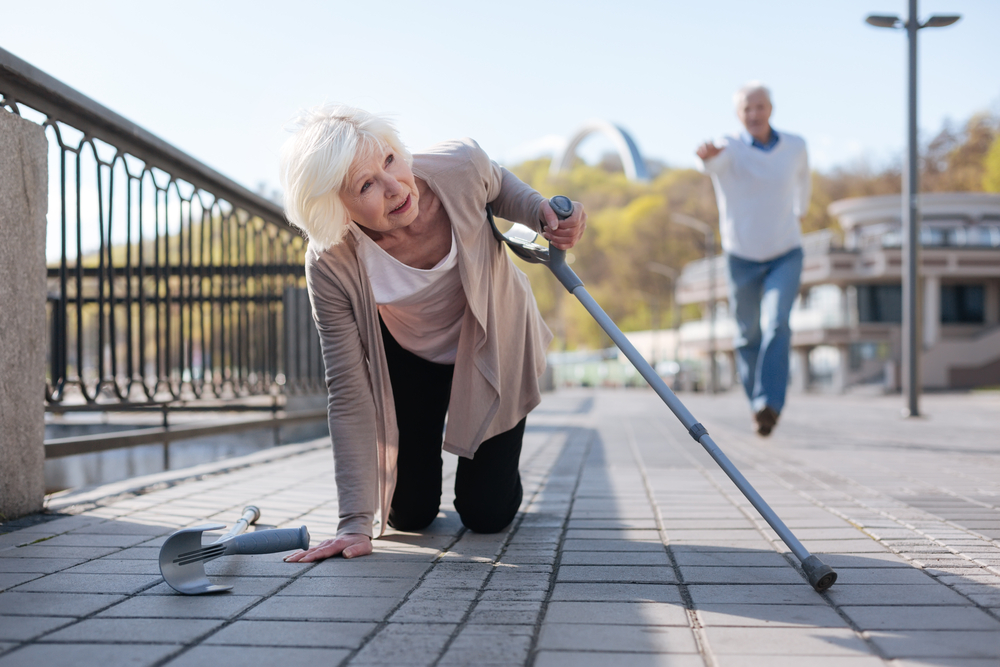
Your mother calls you in a panic — she’s fallen and can’t get back up. As you grab your keys and race out the door, you’re probably wondering whether she’s hurt, whether you should call 911, and what you should do when you get there. Here’s what to keep in mind.
When to Call 911 vs. Monitor at Home?
Not every fall is life-threatening, and some can be safely managed at home. The important thing is to stay calm and assess your loved one carefully.
Before helping them back up, ask where they feel pain, whether they hit their head, and whether they feel dizzy or confused. Look for bleeding, swelling, or an obvious injury. Call 911 if your loved one:
- Lost consciousness or seems confused
- Has severe pain or significant bleeding
- Has an obvious injury
- Cannot stand or put weight on a limb
- Hit their head and has concerning symptoms
If there are no signs of serious injury and they feel steady enough, let them slowly try to get up using sturdy furniture for support. Don’t pull or lift them. If they can’t get up safely, stop and get help.
Getting a Medical Evaluation, Even if They “Seem Fine”
Even if your loved one insists they’re fine or doesn’t need emergency care, they should still let their healthcare provider know about the fall. Fewer than half of older adults who fall tell their doctor, but a medical evaluation is crucial to determine why it happened and how to prevent another fall.
Even without obvious injuries, an underlying issue may have contributed to the fall. Some injuries or changes may also not become noticeable until days or weeks later. During your loved one’s exam, their provider may check their vital signs, look for signs of injuries such as a sprain or broken bone, and evaluate underlying issues that may have contributed to the fall, such as:
- Medication side effects
- Changes in vision
- Balance problems
- Dizziness or changes in blood pressure
- Problems with walking or mobility
- Lower-body weakness
The results of the exam will help shape your loved one’s recovery plan. A previously unnoticed injury may require prompt treatment or rehabilitation, while an underlying health or mobility issue may lead to medication changes, physical therapy, or a mobility aid. When your loved one is ready to recover at home, their provider can make any necessary referrals for therapy or follow-up care. They may also recommend additional in-home care if your loved one is having difficulty safely managing everyday activities.
Setting Up In-Home Recovery Support
A fall doesn’t necessarily mean your loved one needs to move to assisted living. If their needs can be safely managed with in-home care, therapy, and family support, staying at home may still be appropriate. However, if falls keep happening or their needs can no longer be safely managed at home, it may be time to talk with their healthcare team about changing their care plan or living arrangement.
Returning home after a fall can bring new challenges, whether your loved one had a hospital stay, needed surgery, or received outpatient care. If they were independent before, you may be arranging in-home care for the first time — and that can be an adjustment for everyone.
For a hospital or rehab discharge, start planning before they come home. Ask the discharge team what your loved one can safely do on their own, whether they’ll need a walker or other equipment, and what follow-up care is recommended. You’ll also want to figure out where family help may not be enough so you can arrange in-home support ahead of time.
Before they come home, make sure you have a clear plan for the first few days. Depending on their condition, that may mean arranging:
- Personal care: Bathing, dressing, toileting, meals, and other activities that may be difficult after the fall
- Mobility support: A walker, cane, or other recommended equipment, plus help using it safely
- Physical therapy: In-home PT if it has been ordered as part of their recovery
- Follow-up care: Medical appointments, medication changes, or other instructions from their provider
- Supervision: Family or professional care during times when it may not be safe for them to be alone
Your loved one may feel uncomfortable accepting help or worry that it means losing their independence. But post-fall home care is often temporary, providing extra help while they heal and regain strength, mobility, and confidence.
Personal Care Aides for Daily Living Assistance
A Personal Care Aide (PCA) provides non-medical, hands-on help with everyday activities such as bathing, dressing, toileting, preparing meals, and moving safely around the home. You may want to consider PCA support if:
- Your loved one is returning home after a hospital or rehab stay
- They’re struggling with everyday activities during recovery
- Your family can’t provide all the help they currently need
Depending on your loved one’s needs, you may also hear about Home Health Aides (HHAs). Both PCAs and HHAs can provide personal care, although HHAs may perform certain additional health-related tasks under appropriate supervision—the right choice between a PCA and an HHA may depend on the level of care your loved one needs, as well as their eligibility and coverage for different types of in-home care.
In-Home Physical Therapy and Mobility Support
If your loved one needs help regaining strength, balance, or mobility after a fall, physical therapy may become part of their care plan. PT is often provided at home after a hospital or rehab stay, allowing the therapist to work with your loved one in the environment where they’ll move each day. In-home PT requires an order or referral from a healthcare provider.
Depending on their needs, an in-home physical therapist may work with your loved one on:
- Rebuilding strength and balance
- Walking safely around the home
- Getting in and out of bed or a chair
- Going up and down stairs
- Using a walker, cane, or other mobility aid safely
- Exercises they can continue between therapy visits
Making the Home Safe During Recovery
Older adults are already at higher risk for falls, and a single fall increases the chance of falling again. Fortunately, many home safety tips for seniors can reduce that risk. After a fall, it’s an important time to reassess your loved one’s home and make changes that can help prevent another.
Removing Fall Hazards and Improving Lighting
Start by checking the areas your loved one uses most, particularly the bedroom, bathroom, kitchen, and the paths between them. Look for fall hazards that could cause another accident, especially while your loved one is recovering or using a mobility aid.
To reduce fall hazards at home2:
- Clear clutter and electrical cords from walkways
- Remove or secure loose rugs
- Improve lighting in hallways, bathrooms, stairways, and entrances
- Keep frequently used items within easy reach
Grab Bars, Railings, and Mobility Aids
Depending on how your loved one moves after a fall, they may need changes that make everyday movement safer. Grab bars near the toilet or shower, secure stair railings, and non-slip bathroom surfaces can help in areas where falls are more likely.
A cane, walker, or wheelchair may also become part of their recovery plan. A physical therapist can help determine which mobility aid is best for your loved one and teach them how to use it safely.
Paying for Post-Fall Home Care in NYC
The cost of in-home care after a fall can be a concern, especially if you’re looking at home care agencies or setting up care for the first time. However, you may not have to cover every service out of pocket. Depending on your loved one’s eligibility and care needs, they may qualify for government-funded programs.
Medicaid-Funded PCA Support
If your loved one is eligible for Medicaid and needs help with daily tasks after a fall, they can complete an assessment to see if they qualify for New York’s Personal Care Aide (PCA) program. Based on the assessment, they may be approved for a specific number of weekly in-home PCA hours.
Medicare Coverage for In-Home Therapy
Medicare may cover medically necessary in-home physical therapy after a fall. To start care, a healthcare provider must document the need for PT, order the service, and certify that your loved one has difficulty leaving home. The provider or discharge team can then refer your loved one to a Medicare-certified home health agency to arrange in-home therapy.
Preventing a Second Fall
You’ve already dealt with the stress of one fall — the last thing you want is for your loved one to go through it again.
It’s natural for you and your loved one to feel anxious about another fall. But the good news is that several elderly fall prevention strategies, like regular exercise, home safety modifications, and proper medical care, can help reduce the risk of another fall.
Fall prevention is a team effort. Doctors and physical therapists address medical and mobility risks, while home care providers offer day-to-day support. NYC families can also turn to local organizations like NYC Health3 for programs and resources that help seniors stay safe and independent at home.
A first fall can be frightening, but it’s also an opportunity to put the right support in place. By addressing fall risks and adjusting care as your loved one’s needs change, you can help them stay safe, independent, and at home for as long as possible.
Frequently Asked Questions
How long does it take an 80-year-old to recover from a fall?
An 80-year-old may need 2–6 weeks to recover after a fall, depending on the severity and their overall health. Recovery may take longer if the fall results in a fracture or requires surgery.
Does Medicaid cover home care after a fall in NYC?
Yes, Medicaid-funded PCA services may cover home care for eligible New Yorkers based on their assessed needs.
What’s the biggest risk after a first fall?
The biggest risk after a first fall is another, more serious fall. Pain, weakness, mobility problems, and fear of falling all put older adults more at risk. That’s why it’s important to identify what contributed to the first fall and put appropriate support in place to reduce the risk of another.
How quickly can home care start after a fall?
Americare can typically begin care x after an assessment and care plan are completed.
What home modifications help prevent another fall?
Common changes include installing grab bars, improving lighting, removing loose rugs, and keeping walkways clear of clutter and cords.
Get Help Setting Up Home Care After a Fall
When someone you love falls, the days that follow can bring a lot of questions — about their recovery, their safety, and how you’ll manage the extra help they need at home. Americare can help take some of that weight off your family.
Our PCAs, HHAs, nurses, and therapists have experience helping older adults get back on their feet after a fall, whether that means rebuilding strength and mobility, managing care needs, or getting extra help with everyday activities while they recover. We respond quickly so you can get answers and start care without unnecessary delays.
Schedule a free consultation with Americare today to discuss your loved one’s needs and put the right support in place for recovery at home.
Resources
- Centers for Disease Control and Prevention. (2026, September 4). Facts about older adult falls. U.S. Department of Health and Human Services. https://www.cdc.gov/falls/data-research/facts-stats/index.html
- New York State Department of Health. (2026, July). Older adults: Stay steady, stay strong. https://www.health.ny.gov/prevention/injury_prevention/falls_older_adults.htm
- New York City Department of Health and Mental Hygiene. (n.d.). Preventing falls in older adults. https://www.nyc.gov/site/doh/health/health-topics/healthy-aging-preventing-falls-in-older-adults.page