When a parent starts struggling with the basics — getting out of bed, making it to the bathroom, remembering to take their medication — families often don’t know where to turn first. A home health aide is frequently the answer, but it’s not always clear what that actually means. What do they do? What falls outside their role? And how do you find the right one in the Bronx?
This article walks through everything, so you can figure out whether home health aide services are the right fit and what to do next.
What Is a Home Health Aide, and How Do They Support Bronx Families?
A home health aide sits somewhere between a companion and a medical professional. They’re trained, certified caregivers who help with the personal and physical demands of daily life — the things that become genuinely hard when someone is aging, recovering, or managing a chronic condition. For many Bronx families, having an aide come in regularly makes it possible for a parent or grandparent to stay home on their own terms for as long as possible.
Core responsibilities of a home health aide
Home health aides are trained to help with personal care, mobility, meal preparation, light household tasks, and basic health monitoring. A good aide becomes a familiar and trusted presence in a client’s daily life — someone who notices when something is off and provides steady, reliable support when it’s needed most.
How are home health aides different from other in-home roles?
It helps to know where a home health aide fits relative to other types of in-home care, because the roles are often confused. Here’s a breakdown of how they differ:
| Role | What They Do |
| Personal care aide | Daily tasks and companionship |
| Home health aide | Personal care, mobility support, meal prep, health monitoring |
| Licensed practical nurse / RN | Wound care, IV medications, clinical assessments |
Knowing the difference matters when you’re trying to figure out what level of support your loved one actually needs. If you’re new to navigating home care options, our beginner’s guide to home health care is a good place to start.
What Services Do Home Health Aides Provide in the Bronx?
Home health aides support clients across several areas of daily life. Here’s what that looks like day to day:
Help with bathing, dressing, and personal care
Bathing, grooming, dressing, oral care, toileting — these are the tasks that become difficult first when someone’s health or mobility declines, and they’re among the most important for maintaining dignity and preventing health complications. Home health aides are trained to assist with all of them in a respectful, safe, and sensitive manner, responsive to each client’s preferences.
Getting around the home safely
For someone who isn’t steady on their feet, even familiar spaces can feel uncertain. Getting from the bed to a chair, navigating a hallway, managing stairs — none of it is simple when the body isn’t cooperating.
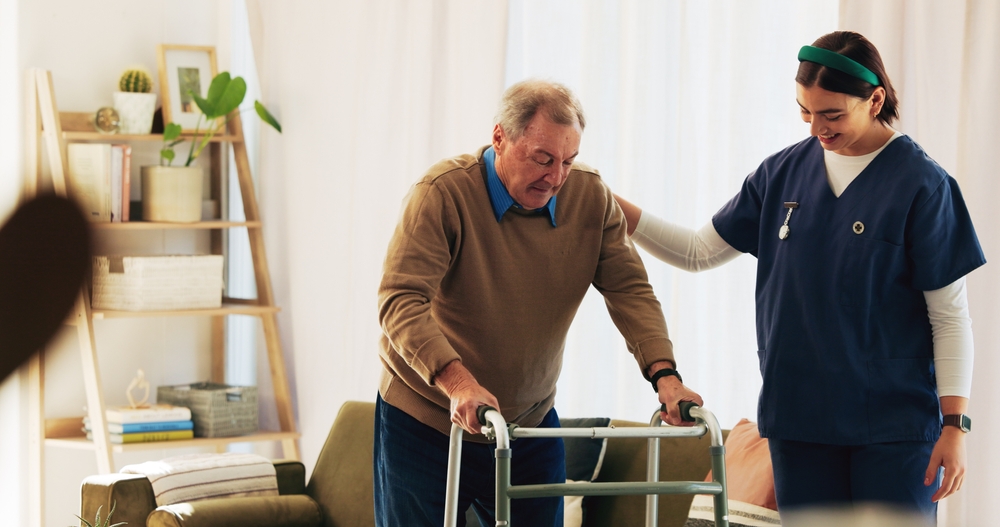
Home health aides are trained in safe transfer techniques and fall prevention, helping clients move around their home with confidence and use mobility aids correctly. Their regular presence alone significantly reduces the risk of falls.
Meals, housekeeping, and keeping things running
Good nutrition is a core part of recovery and ongoing health, but cooking becomes difficult when someone is dealing with limited mobility, fatigue, or cognitive decline. Home health aides prepare meals that meet a client’s dietary needs and preferences, help with feeding when necessary, and handle light household tasks like tidying, laundry, and dishes — the everyday upkeep that keeps a home livable and safe.
Medication reminders and monitoring
Home health aides are not authorized to administer medications, but they can remind clients to take their prescribed doses at the right times. They can also observe and report changes in a client’s condition (e.g., shifts in appetite, mood, energy, or physical health) and communicate those observations to family members or the supervising care team. This kind of consistent, attentive monitoring is among the most valuable services an HHA provides, especially for clients managing chronic conditions.
What Home Health Aides Do Not Provide
Understanding the boundaries of the HHA role is just as important as understanding what the HHA does. Families sometimes arrive expecting a level of medical care that falls outside what an aide is trained or licensed to provide.
Medical and skilled nursing care
Home health aides do not perform skilled nursing tasks. That includes:
- Administering injections or IV medications
- Managing wound care
- Interpreting lab results
- Diagnosing, prescribing, or providing therapy
- Making clinical decisions about a client’s treatment
These services require a licensed nurse or therapist. If your loved one needs any of them, a skilled care provider will need to be part of the care plan in addition to, or instead of, a home health aide.
When higher levels of care may be required
There are situations where home health aide support alone isn’t sufficient. If a client has significant cognitive decline that affects safety and judgment, requires continuous medical supervision, or has care needs that can’t safely be managed in a home setting, a higher level of care — such as a skilled nursing facility or memory care unit — may be the more appropriate option.
A good home care agency will assess your loved one’s needs honestly and tell you if the HHA role isn’t the right fit.
Are Home Health Aide Services Right For Your Loved One?

Home health aides serve a wide range of clients across the Bronx, including older adults aging in place, people recovering after a hospital stay, individuals managing chronic illness or disability, and children with developmental needs who require ongoing daily support.
Common situations where HHA support helps
Home health aides support a wide range of clients and situations. Some of the most common include:
- Recovery after surgery or a hospital stay
- Managing day-to-day life with conditions like Parkinson’s, diabetes, or COPD
- Supporting an older adult who lives alone and needs regular assistance
- Giving family caregivers a reliable break from managing care on their own
For clients returning home after a hospital stay, the transition period is especially important. Our guide on home health aide support after hospital discharge covers what that support looks like in practice.
When additional services may be needed
Sometimes what starts as a question about home health aide services reveals a need for something broader. If your loved one needs help coordinating multiple types of care, requires skilled nursing in addition to personal care, or you’re not sure which services apply to your situation, it may be worth exploring the full range of home care options in the Bronx before making a decision.
For families with children who have developmental disabilities or complex medical needs, pediatric home care services in the Bronx address a different but equally important set of needs.
Choosing a Home Health Aide Agency in the Bronx
Choosing an agency is as important as choosing the right type of care. When you’re comparing options in the Bronx, three things are worth looking at: how the agency is licensed and regulated, how they handle scheduling and availability, and how they match aides to clients. Here’s what to know about each:
Licensing and agency requirements in New York
In New York State, home health aide agencies must be licensed by the Department of Health. Licensed agencies are responsible for hiring, training, supervising, and monitoring their aides, which means families have a layer of oversight and accountability that isn’t present when care is arranged informally. When you work with a licensed agency, you’re not just hiring a person; you’re engaging a care team that stands behind its services.
Americare is a licensed home health aide services provider that has served New York communities for over 40 years, with a strong presence across the Bronx.
Availability, scheduling, and continuity of care
Good home care agencies can offer flexible scheduling, whether a client needs a few hours of support several days a week or more intensive daily coverage. Family members coordinating care are often spread across different neighborhoods or boroughs. An agency with a strong local presence and 24/7 availability makes coordination much easier.
Continuity matters too. When a client sees the same aide regularly, trust builds. The aide learns the client’s routine, preferences, and baseline health, which makes it far easier to notice when something changes.
How aides are matched to clients
A thoughtful agency doesn’t simply assign whoever is available. They consider a client’s health condition, personality, language preference, and daily routine when making a match. In a borough as diverse as the Bronx, cultural sensitivity and language compatibility aren’t nice-to-haves — they’re often what makes care feel comfortable and familiar to the person receiving it.
Americare’s team speaks over 15 languages and serves communities across the Bronx with that kind of individualized approach in mind.
Getting Started With Home Health Aide Services in the Bronx
If home health aide services sound like the right fit, here’s what the process of getting started typically looks like:
Initial assessments and determining eligibility
Before care begins, a home care agency will conduct an assessment to understand your loved one’s needs, health history, and home environment. This helps determine the appropriate level and frequency of care and ensures the assigned aide is a good match.
Eligibility for home health aide services in New York can be covered through Medicaid, Medicare (under specific qualifying conditions), or private insurance. It can also be arranged privately. The agency’s intake team can walk you through which options apply to your situation.
Reach out to get started.
If you’re ready to explore home health aide services in the Bronx, the most straightforward next step is to reach out directly. You can get started with home care through Americare’s online intake form, or contact our team to speak with someone directly about your loved one’s needs.
Frequently Asked Questions About Home Health Aides in the Bronx
What services are covered under home health aide care?
Home health aide services cover personal care (bathing, dressing, grooming), mobility assistance and fall prevention, meal preparation, light housekeeping, medication reminders, and routine health monitoring. They do not include skilled nursing or medical procedures, which require a licensed nurse.
How much does a home health aide cost in NYC?
The cost of home health aide services in New York City varies depending on the number of hours, the agency, and howthe care is funded. Many clients are eligible for coverage through Medicaid or Medicare, which can significantly reduce or eliminate out-of-pocket costs. Private pay rates vary by agency. The best way to get an accurate picture of your situation is to contact an agency directly and ask about eligibility and rates.
What is the difference between a caregiver and a home health aide?
The terms are sometimes used interchangeably, but there is a meaningful difference. A home health aide in New York State has completed a state-approved training program and passed a competency evaluation. They are certified to provide a defined scope of personal care and health monitoring services. A general caregiver or companion may not have that formal training or certification, and their scope of work is typically more limited.
How do you qualify for a home health aide in New York?
Qualification depends on how services are being funded. For Medicaid-covered services, a physician’s order and a functional assessment are typically required to establish medical necessity. Medicare covers home health aide services under specific conditions, usually when the patient also requires skilled nursing or therapy. For privately arranged care, there are no formal eligibility requirements — families can arrange services directly through a licensed agency.