
The decision to start home care services for an elderly parent or a loved one isn’t always easy. If you’re feeling overwhelmed by the process or don’t know which direction to take in the busy borough of Staten Island, you’re definitely not the only one. But understanding the types of services available, their costs, and how to evaluate providers can make finding home care for seniors more manageable.
This guide offers a practical overview of home care services in Staten Island, helping you understand your options and what to expect — including care types, payment options, and how to get started. Whether your family is in Midland Beach, Willowbrook, or Todt Hill, this article will walk you through what you need to know to make this important decision for you and your family.
What Is Home Care and Who Needs It?
Before we explore Staten Island home care options, let’s first explain the term. What exactly is home care?
Home care refers to supportive services given in a person’s home to help them maintain independence and quality of life. It can range from basic companionship to skilled medical care, depending on what exactly the individual needs.
Many families begin exploring elderly care for seniors in Staten Island after:
- A hospital stay or health change
- Difficulty with daily activities, like bathing or cooking
- Memory-related conditions, such as dementia
- The desire to age in place rather than move to a facility
What services are available?
Every individual has different needs, and in-home senior care in Staten Island can take many forms. One person may only need companionship for a few hours a day, while another may need help with daily activities such as bathing, dressing, and grooming. Another may need specialized dementia care, while yet another may need to be monitored after a surgery.
Fortunately, there are senior care services available in Staten Island to address each of these scenarios, and more.
What are the main differences between home care and facility-based care?
When you choose home care, your family member can stay where they feel most comfortable — their own home. This is not the case when you choose facility-based care, such as a nursing home or an assisted living facility, where you would be taking your family member out of a familiar environment. This is a factor that may be really important for someone who values their independence or just feels more at ease in their own home.
Additionally, home care generally offers a greater degree of personalization and control, allowing families to modify schedules and services as their needs evolve, rather than being tied to a fixed level of care.
Types of Home Care Services Available on Staten Island

While researching elderly care in Staten Island, you’ll notice that several levels of support are available:
Companionship and personal care
This is usually what people start with when it comes to in-home care for seniors in Staten Island. Caregivers help with:
- Daily routines
- Light household tasks
- Social interaction and engagement
Companion care can be a great way to help with isolation while supporting independence.
Home health aide services
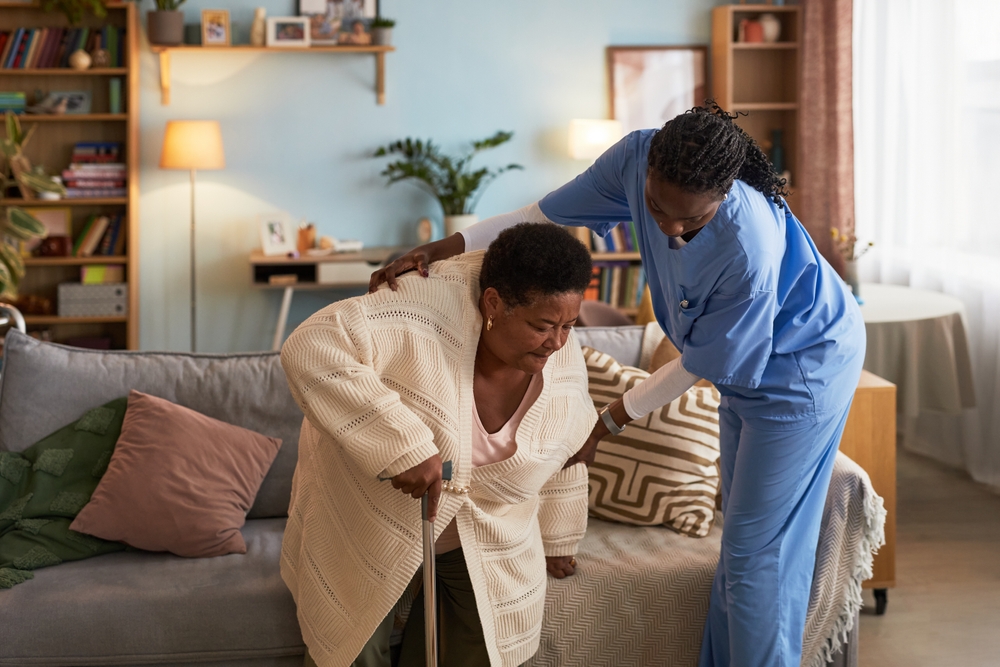
For seniors who require more hands-on assistance, home health aide services provide support with personal care, mobility, and day-to-day activities. Home health aides are trained to assist with:
- Bathing and hygiene
- Dressing and toileting
- Safe transfers and mobility
- Monitoring overall well-being
This is probably one of the most common forms of home care in Staten Island.
Alzheimer’s and dementia care
Specialized caregivers can help people living with memory loss by:
- Creating structured routines
- Ensuring safety at home
- Providing cognitive engagement
- Managing behavioral changes
This type of care is highly tailored to the unique needs of each individual.
Skilled nursing and medical support at home
When a patient’s medical needs are more serious, licensed professionals might be needed to deliver:
- Wound care
- Medication administration
- Chronic disease management
- Post-surgical monitoring
In most cases, this type of care is managed in collaboration with a physician or other healthcare provider.
24/7 and live-in care options
Sometimes, continuous care is needed by families. Options include:
- 24/7 rotating caregivers
- Live-in aides who stay in the home
These types of arrangements are common when safety or supervision is a concern.
How Much Does Home Care Cost in Staten Island?
Understanding costs is a key part of planning for Staten Island home care.
Hourly rates and monthly cost estimates in New York
Home care costs in New York typically range from:
- $25 to $35 per hour for non-medical care
- Monthly costs can range from $4,000 to $10,000+, depending on hours and level of care
Live-in care is usually priced differently and may be more cost-effective for full-time needs.
Factors that affect the cost of care
Several factors influence pricing, such as:
- Number of hours needed per week
- Type of care (e.g., companionship vs. skilled nursing)
- Overnight or live-in requirements
- Location and caregiver availability
- Specialized care needs (e.g., dementia support)
Families often start with part-time care and adjust as needs evolve.
How to Pay for Home Care Services on Staten Island
Payment options vary depending on eligibility and the type of care required.
Medicare coverage for home care
Medicare may cover short-term, medically necessary home health services, such as:
- Skilled nursing care
- Physical therapy
- Limited home health aide support
However, it typically does not cover long-term, non-medical home care, such as companionship or personal care.
Medicaid and waiver programs in New York
New York offers Medicaid programs that can help cover long-term home care for eligible individuals.
Programs may include:
- Personal care assistance
- Consumer-directed care options
- Managed long-term care (MLTC) plans
Eligibility is based on income, assets, and medical need.
Veterans benefits and VA assistance
Veterans and their spouses may qualify for benefits such as:
- Aid and Attendance pensions
- Home-based care support
These programs can help offset the cost of in-home care.
Private pay options
Many families use:
- Personal savings
- Long-term care insurance
- Retirement income
Some agencies can help guide families through payment planning.
Choosing a Home Care Agency on Staten Island
With many providers offering elderly care in Staten Island, NY, it’s important to evaluate options carefully.
Licensing, bonding, and insurance in New York
A reputable agency should:
- Be licensed by New York State
- Carry liability insurance
- Conduct background checks on caregivers
These factors help ensure safety and accountability.
Questions to ask before selecting a provider
Consider asking:
- What services are included?
- How are caregivers trained and supervised?
- Can care plans be adjusted over time?
- What happens if a caregiver is unavailable?
- How does billing and scheduling work?
You may also want to ask about the initial in-home care assessment process.
How quickly can care begin?
In many cases, home care can start within a few days, especially after hospitalization.
For example, families often arrange home health aide support after hospital discharge to ensure a smooth transition home.
Getting Started With Home Care in Staten Island
Starting the process can feel overwhelming, but breaking it into steps can help.
What families should have ready
Before contacting an agency, it helps to gather:
- A general understanding of care needs
- Medical history and current conditions
- Preferred schedule and level of support
- Insurance or financial information
Next steps to arrange care
The process of getting started is generally straightforward:
- Speak with a provider about your needs and available options
- Schedule an in-home assessment
- Develop a personalized care plan
- Begin services and adjust as needed
Frequently Asked Questions About Home Care on Staten Island
What is the going rate for a caretaker on Staten Island, NY?
Rates typically range from $25 to $35 per hour, depending on the level of care and provider. Specialized or medical care may cost more.
How much does in-home care cost per hour in New York?
Across New York, hourly home care costs generally fall within the same $25 to $35 range, with variations based on services and location.
Does Medicare pay for home health care in NY?
Medicare covers short-term, medically necessary home health services, but does not usually cover long-term non-medical home care.
What free services are available for the elderly in NYC?
Some seniors may qualify for:
- Medicaid-funded home care programs
- Local senior services and meal programs
- Community-based support through NYC agencies
Eligibility depends on financial and medical criteria.
A Practical Next Step
Choosing the right Staten Island home care services takes time and is one of the most important decisions you will make for your loved one. Having clear information can make the process more manageable and feel less overwhelming. Whether you’re just beginning your research or ready to arrange support, understanding your options is the first step toward making a confident decision.
If you are looking for a true partner in your home care journey, contact Americare for a free consultation or an in-home assessment to learn more about your family’s needs. You can get started with home care or contact our team to learn more about the in-home care for seniors in Staten Island, and, most importantly, care that’s specific to you and your loved one.