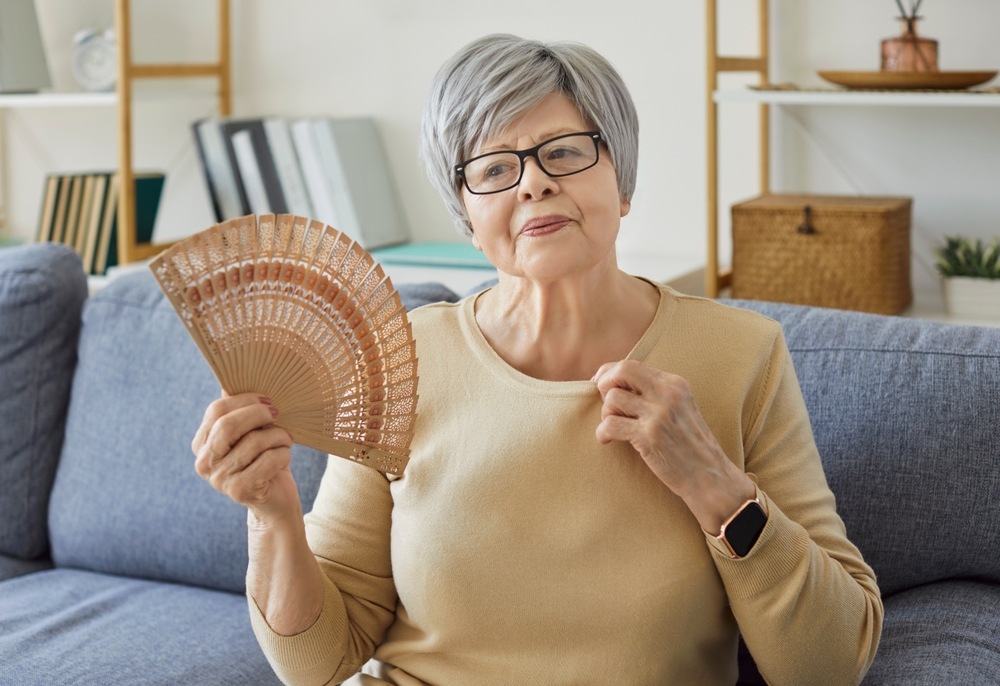
Every April, your aunt Beatrice loves watching the cherry blossoms bloom outside her Harlem brownstone. But with each burst of color comes fresh concern about rising temperatures. How will Beatrice stay cool amidst the heat of summer days to come? With its sprawling infrastructure, tall buildings, and concrete landscape, New York City is an urban heat island known for its high summer temperatures.
You and your family find yourselves asking the same questions every summer. Is Beatrice’s apartment cool enough? Is she remembering to drink water? Can she take the subway to appointments during a heat advisory?
With summer home care, you can start planning before a heat wave hits — so you can make sure that your loved ones stay safe all year round. From hydration reminders and meal support to medication management and wellness check-ins, in-home care can help seniors remain healthy and comfortable even when temperatures climb. In this guide, we’ll discuss the unique summer risks NYC seniors face, what seasonal home care services may help, and how families can start arranging support before peak heat arrives.
Why NYC Summers Are Especially Risky for Seniors
For many of New York’s younger residents, summer is a time of lively rooftop dinners, park outings, and long days spent outdoors. At worst, a sweltering August afternoon is an inconvenience — sending people inside to escape overheated subway platforms and garbage baking on the curb.
But for older adults, summer heat is more than just uncomfortable — it can create serious health and safety risks. Extreme temperatures, older apartment buildings, walk-up apartments, and crowded public transit can all make NYC summers significantly harder for seniors to navigate safely. Here’s a closer look at some of the unique challenges:
Heat island effect and older housing stock
New York City is one of the hottest parts of the state, thanks to the urban heat island effect and older housing stock, which makes indoor living that much more uncomfortable in the midst of summer. The heat island effect absorbs and radiates heat through miles of concrete, while aging homes and apartments lack central A/C.
New York City is one of the hottest parts of the state during the summer, thanks to the urban heat island effect and older housing stock that can make indoor living especially uncomfortable. Miles of concrete trap heat and humidity, and many of the city’s older apartments lack central air conditioning, proper ventilation, or elevator access. This makes everyday tasks like climbing stairs or grocery shopping become incredibly demanding during the summer.
Hydration, Medication Sensitivity, and Heat-Related Illness
It’s not just the thermometer reading that makes New York summers more dangerous for seniors — it’s also the myriad of age-related changes that can affect temperature regulation in older adults. Chronic health conditions, slower circulation and metabolism, and certain medications can all make it harder for seniors to stay cool and hydrated during periods of extreme heat. As a result, older adults are more vulnerable to dehydration, dizziness, fatigue, confusion, and heat-related illness during the summer months.
Social Isolation and the Limits of Remote Check-Ins
Heat advisories and hot summers in general can intensify social isolation for older adults who live alone. Many seniors will avoid leaving their apartments to preserve their health and energy, which can lead to greater sedentary behavior and missed social interaction.
For seniors living alone, even daily phone calls from adult children or friends may not be adequate to ease loneliness and get a true understanding of how they’re managing. A senior may insist they’re “fine” while quietly struggling with hydration, nutrition, mobility, or unsafe apartment temperatures.
What Summer Home Care for Seniors Looks Like in NYC
During the summer months, seniors need tailored support to manage the practical challenges posed by extreme heat and reduced mobility. Many families arrange home health aide services during the summer months specifically to help maintain daily routines and wellness habits.
Hydration Monitoring and Meal Support
Proper hydration and nutrition are crucial during NYC summers, yet they can be overlooked for seniors struggling with fatigue, mobility issues, or poor appetite. Home health aides can help seniors stay on top of water intake, prepare lighter meals during hot weather, and monitor for signs of dehydration or fatigue.
Air Conditioning Setup and Home Safety Checks
Whether it’s installing a window unit, setting up fans, or ensuring systems are functioning properly, caregivers play an important role in keeping every senior’s home a cool oasis of comfort.
Medication Management During Extreme Heat
Many common medications increase heat sensitivity and the risk of heat illness or dehydration. During the summer months, those with chronic conditions may benefit from skilled nursing care at home to monitor symptoms, medication dosage, and overall health status during periods of extreme heat.
Companionship and Daily Wellness Check-Ins
Social connection is a core component of overall health. For seniors who live alone and are avoiding the outdoors, daily check-ins from a home health aide can greatly reduce isolation, identify potential health concerns early, and provide reassurance to family members coordinating care remotely.
Transportation to Medical Appointments
Even seniors who can safely take public transportation in milder months may find that, come summer, standing in a crowded subway station or waiting for a taxi is no longer safe. Home caregivers can arrange transportation to and from medical appointments, grocery stores, and pharmacies so that seniors can maintain their normal routines in good health.
Who Benefits Most from Summer Home Care in NYC
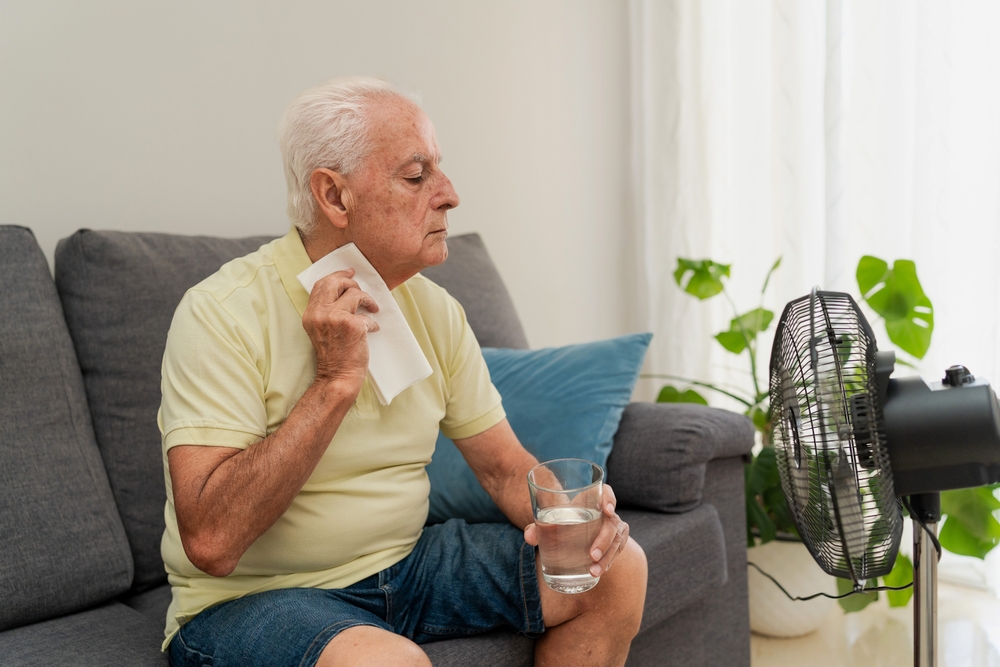
While many older adults benefit from additional support during the summer, certain groups face especially high risks during periods of extreme heat.
Seniors Managing Chronic Conditions in the Heat
Certain conditions like heart disease, COPD, diabetes, and Parkinson’s make seniors more vulnerable to health risks during hot weather. Home health aides and skilled nurses play an important role in monitoring for signs of illness and reducing physical strain as temperatures climb.
Families managing complex medical conditions may benefit from condition-specific care management during the summer months.
Seniors Living Alone Without Reliable A/C or Ventilation
With a whopping 75% of buildings built before 1960, many New York apartments are too outdated to support high-quality air conditioning and proper ventilation. Seniors living in the city’s older apartments with shoddy window units and dirty or blocked vents may struggle to manage prolonged periods of extreme heat safely.
Families Who Live Outside NYC or Travel During Summer Months
Summer is not just hotter, but it’s also a time when families are more likely to disperse for vacations. Even among seniors who have family nearby the rest of the year, come summer, they may need outside support to check in on them.
NYC Programs and Resources for Seniors During Summer
The city of New York is well aware that its older residents need access to social interaction, cool indoor spaces, and home care support, particularly during the hot summer months. New York City offers several public programs and resources, including:
NYC Aging and Aging Connect
NYC Aging Connect is a valuable resource center for older adults, their families, and communities. They have a dedicated call line, 212-AGING-NYC, for people to reach out for more info on local support services, meal programs, benefits information, and caregiver resources throughout the city.
Cooling Centers and Heat Emergency Programs
During periods of extreme heat, NYC opens cooling centers throughout the five boroughs where seniors can safely cool down in air-conditioned public spaces such as libraries, senior centers, and community centers.
How to Arrange Summer Home Care in NYC
While many families are forced to explore summer home care for seniors after a heat scare or hospitalization, it’s best to plan before temperatures start to creep up and you’re scrambling to find reliable support.
When to Start Planning Before Peak Heat Months
Ideally, families should begin discussing summer care options during the spring. Planning early gives families time to evaluate care needs, review scheduling options, and make sure support is in place before heat advisories become frequent.
What a Home Care Assessment Covers
If you’re ready to arrange summer home care for seniors in NYC, an in-home care assessment is a great next step. This free consultation is an opportunity for the home care agency to evaluate the individual’s mobility, medical needs, medication management, fall risks, and daily routines.
How Quickly Can Care Begin After a Request
Home care agencies can often start care within 24–48 hours, depending on scheduling availability and care needs. To speed up your request, be sure to look for an agency that has staff in your specific area. Americare provides home care across all five boroughs, helping families coordinate support faster — no matter their locale.
Frequently Asked Questions About Summer Home Care for Seniors in NYC
What are the biggest summer health risks for seniors in NYC?
The biggest health risks for seniors during NYC summers include heat exhaustion, dehydration, medication sensitivity, falls, and social isolation.
What free services are available for the elderly in NYC during the summer?
New York provides an NYC Aging resource center, citywide cooling centers, meal programs, transportation resources, and various caregiver support programs for eligible seniors and families.
How much does home care cost in NYC?
Home care costs in NYC typically range from roughly $30–$45 per hour, depending on the level of care needed and whether skilled nursing services are involved. Families typically pay for care through government aid programs, insurance, or private-pay home care options.
How much does NY pay to be a caregiver for a family member?
Programs like PCA may allow eligible family caregivers to receive compensation for providing care to a loved one at home. In New York City, caregivers are often paid roughly $20–$23 per hour, depending on the program, region, and level of care authorized.
What are the four types of caregivers?
Common caregiving categories include:
- Family caregivers: Relatives or loved ones who help manage daily care and support at home
- Home health aides: Trained caregivers who assist with bathing, dressing, mobility, meal preparation, and other daily activities
- Companion caregivers: Care providers who focus primarily on companionship, supervision, wellness check-ins, and emotional support
- Skilled nursing providers: Licensed nurses who provide medical care such as wound care, medication management, injections, and health monitoring at home
You’ll have enough to sweat about once New York summer is well underway. Deciding on home care for your loved one shouldn’t make things harder —it should give you peace of mind in knowing that the seniors in your life are staying safe and cool. Families exploring summer care options can get started with home care or contact our team to learn more about summer home care services for seniors across New York City.