

José has lived in his Harlem brownstone for over 50 years. It was here that he spent the summer evenings of his young adult life on the front steps, music drifting from open windows. It was here that he welcomed his new bride, and later, the sound of small feet running up the stairs.
Those sounds have faded now. The same street stretches outside his window, but his world has grown smaller.
José is one of nearly 1.4 million seniors living alone in New York City, navigating the realities of life amid zigzagging subway lines, crowded crosswalks, and blaring traffic horns.
Despite the challenges, aging in place can be an empowering and healthful choice for many seniors. If you’re a senior or the adult child of a senior residing in one of the five boroughs, this guide is for you: you’ll learn about the various types of home care for seniors living alone in NYC, what it costs, and how to get started.
Why Seniors Living Alone Need Different Support
Independent living offers the comforts of home along with a deeper sense of dignity. But anyone who has watched a parent or loved one adjust to living alone knows it comes with real concerns.
For José and the more than one million seniors aging in place across New York City, compassionate in-home support can ease both the physical and emotional challenges of living alone — while also giving family members greater peace of mind.
Safety risks unique to living solo
It can be painful to acknowledge when you or a loved one has become vulnerable with age. However, accepting this reality is the first step to staying safe. Risks of independent living vary across every stage of aging and illness, but the most common include:
- Falls: Even a minor fall can become a medical emergency without help on hand. Falls are the leading cause of injury among older adults, and most happen at home.
- Medication errors: With almost half of seniors taking 5 or more medications, missed doses or double-dosing is a real risk for those managing medication on their own.
- Isolation: Seniors who lack regular human interaction are at greater risk for cognitive decline, depression, and heart disease.
The role of regular check-ins and companionship
A consistent caregiver is both a safety net and a real human touchpoint in a senior’s life. Regular visits can ward off the risks of cognitive and physical decline, making all the difference in maintaining a senior’s quality of life.
How NYC living adds complexity
New York demands a lot from its residents. The right home care provider knows how to support seniors in the city that never sleeps — whether that means securing transportation to bypass steep subway stairs, keeping clients safe through icy winters and sweltering summers, or tailoring care to the diverse language and cultural traditions of NYC seniors.
Types of Home Care Available in NYC
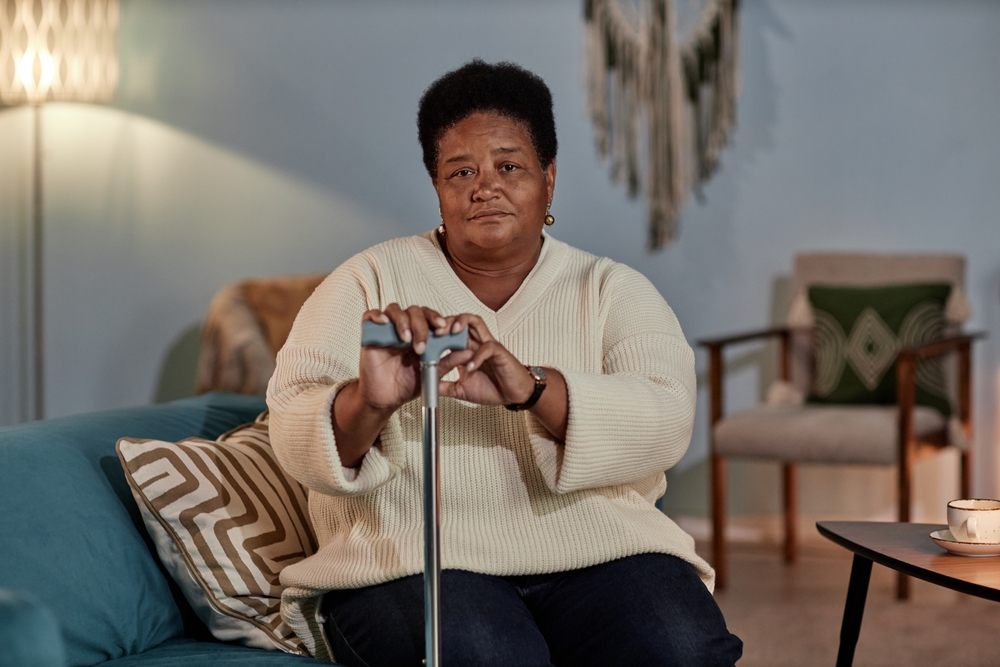
Home care isn’t one-size-fits-all. The right support depends on where someone is in their aging journey — and it can change over time. Americare offers a full range of services, so care can be adjusted as needs evolve without having to start over with a new provider.
Companionship and personal care
Companion care is a great starting point for seniors who are largely independent but could use additional human interaction and support. These providers are on hand to offer a listening ear and assist with daily activities like grooming and meal preparation.
Home health aide services
Home health aide services are often preferred for those with mobility limitations, offering support with hygiene, dressing, toileting, and safe mobility. They can also accompany clients to appointments and monitor overall well-being.
Alzheimer’s and dementia care
Caring for a loved one with cognitive decline requires specialized training. These providers understand the unique challenges of cognitive decline and know how to monitor and mitigate patient anxiety, behavioral challenges, and safety concerns.
Skilled nursing and medical support at home
For seniors with complex medical needs, registered nurses are available to provide expert clinical care at home — including wound and post-surgical care, medication administration, and chronic disease management.
24/7 and live-in care options
Around-the-clock support is the best option for seniors who need constant support in the comfort of their home. Families typically choose between a rotating caregiver arrangement and a live-in aide.
How Much Does Home Care Cost in NYC
Home care costs in New York City can vary widely depending on the type and frequency of support. Getting a clear sense of typical pricing can make it easier to find a solution that fits your needs and budget.
Hourly rates and monthly cost estimates
Non-medical home care for seniors living alone in NYC generally runs $25 to $40 per hour, with monthly costs ranging from around $4,000 for part-time support to $10,000 or more for full-time care. Live-in arrangements are typically priced differently and can be more cost-effective for seniors who need 24/7 care.
Factors that affect the cost of care
Families should keep in mind that health conditions and scheduling preferences can greatly affect the costs of care. For example, skilled nursing costs more than companion care, while overnight shifts or dementia care can carry a premium.
How to Pay for Home Care in NYC
In addition to private pay, several programs exist to help New Yorkers cover the cost of necessary home care for seniors who live alone — and many families qualify for more than they realize.
Medicare coverage for home care
Medicare covers short-term, medically necessary skilled care when ordered by a doctor. It does not cover ongoing personal care or companionship.
Medicaid and waiver programs in New York
For seniors who qualify, Medicaid is the most comprehensive option:
- Managed long-term care (MLTC) coordinates personal care, adult day care, and home services for seniors who want to remain at home.
- The Nursing Home Transition and Diversion (NHTD) waiver covers personal aides, meal delivery, home safety modifications, and more.
- Programs like Americare’s Personal Care Aide (PCA) program allow a trusted person — including a family member — to serve as a paid caregiver with full professional support.
For seniors who need support but don’t qualify for Medicaid, EISEP (Expanded In-Home Services for the Elderly Program) is worth exploring as an alternative.
Veterans benefits and VA assistance
Veterans and their spouses may qualify for programs that help offset the cost of in-home care:
- Aid and Attendance provides a monthly pension supplement for veterans who need help with daily activities due to a permanent disability.
- The Program of Comprehensive Assistance for Family Caregivers (PCAFC) offers a monthly stipend, health insurance, mental health counseling, and respite care for family caregivers of veterans with a VA disability rating of 70% or higher.
Private pay options
For those who don’t qualify for public programs, many families combine personal savings, long-term care insurance, and family contributions to cover costs.
Choosing a Home Care Agency in NYC
With dozens of agencies operating across the five boroughs, knowing what to look for makes the decision much more manageable.
Licensing, bonding, and insurance in New York
Working with a licensed agency is the most important step in ensuring safe and accountable care. In New York, licensed agencies are required to meet state Department of Health standards for caregiver training, background checks, and supervision.
You’ll also want to verify that the agency is bonded and insured, which provides financial protection for clients.
Questions to ask before selecting a provider
Asking questions up front will help you get a feel for the agency and its level of professionalism. Consider asking:
- How are caregivers matched to clients?
- How are caregivers trained and supervised?
- What happens if a caregiver is sick or unavailable?
- Can care plans be changed?
- What does billing and scheduling look like?
How quickly can care begin
In most cases, home care can begin within a few days of an initial assessment or following hospitalization.
Getting Started With Home Care in NYC
Taking the first step toward home care can feel overwhelming, but the process is more straightforward than most families expect. Here’s what to have ready and what patient onboarding typically looks like:
What families should have ready
Having the right information on hand will simplify and expedite the home care onboarding process. Be sure to prepare an outline of general care needs, a list of current medications and medical history, and any insurance or financial information — including Medicare, Medicaid, or long-term care policies.
Next steps to arrange care
Once you’ve pinpointed a provider, the first step is to reach out to a care coordinator who will discuss available options and schedule an in-home care assessment. Once that’s completed, the agency will develop a personalized care plan and match the senior with a caregiver based on their unique needs.
Get started with home care or contact our team whenever you’re ready.
Frequently Asked Questions About How Home Care Supports Seniors Living Alone in NYC
What is home care, and who is it for?
Home care is professional support provided in a person’s own home, ranging from companionship and personal care to skilled nursing and medical services. It is for seniors who want to remain at home rather than move to a facility. Unlike assisted living or nursing homes, home care is built around the individual’s existing routine and environment.
Will Medicare pay for 24-hour home health care in New York for seniors?
No, Medicare does not cover 24-hour home care for seniors living alone in NYC. Medicare covers short-term, medically necessary skilled care when ordered by a doctor for a homebound individual. For 24-hour senior care in NY, families typically rely on Medicaid programs or private pay.
What is the 40/70 rule for aging parents?
The 40/70 rule is a guideline suggesting that adult children, around age 40, should begin conversations about care planning with parents, around age 70. Starting early allows families to understand their options and gradually identify their preferences rather than in response to a crisis.
Who will care for seniors with no family?
Seniors without nearby family can receive support through home care agencies, care managers, and community-based organizations. Many NYC seniors — including those whose families live abroad or out of state — rely on home care as their primary support system.
Next Steps for Senior Home Care in NYC
Like so many seniors living alone in New York City, José’s story comes down to something simple: wanting to stay in the place that feels like home, with the right support to make that possible.
Whether it’s a fifth-floor walk-up in the Bronx, a high-rise in Flushing, or a brownstone in Harlem, Americare has spent over 45 years providing care that works within the realities of city living.
If you’re ready to explore solo senior home care options in Manhattan, The Bronx, Brooklyn, Queens, or Staten Island, reach out to set up a free in-home assessment.
Get started with home care or contact our team to take the next step.