Your grandmother still takes the 7 train to Flushing on her own, descending the crowded stairwells with her hand firmly on the guardrail. She’s made this trip for the past thirty years since she arrived in Queens from Hong Kong. But these days, the stairs take a little more out of her than they used to.
Lately, you find yourself worrying about her well-being — but every time you show concern, you’re left feeling guilty. As she brushes off your questions in Cantonese, you feel caught between wanting to help and not wanting to interfere with her independence. So you try not to push — but last month, she missed an important doctor’s appointment because she couldn’t make it to the train in time.
You’re starting to feel that she needs more support than she’s willing to admit.
Home care can preserve the dignity and autonomy she deserves by integrating a skilled, caring aide into her existing routines and neighborhood. It’s what allows her to get the help she needs without giving up the life she’s built.
If you’re exploring home care in Queens for seniors living alone, this guide is for you. We know that navigating senior care options can stir up a range of emotions — but the good news is that growing your knowledge will make the decision that much easier. Keep reading to learn how you can find superior care that meets your family’s needs without compromising your loved one’s independence.
Signs a Senior Living Alone in Queens May Need Home Care
Missed appointments, mood changes, and an unkempt appearance — once these red flags start stacking, family members start to worry. But knowing when to act isn’t always straightforward. Rather than a single moment of crisis, it’s more often a sustained pattern of decline that warrants a discussion about home care. Here are some signs to look out for:
Physical warning signs
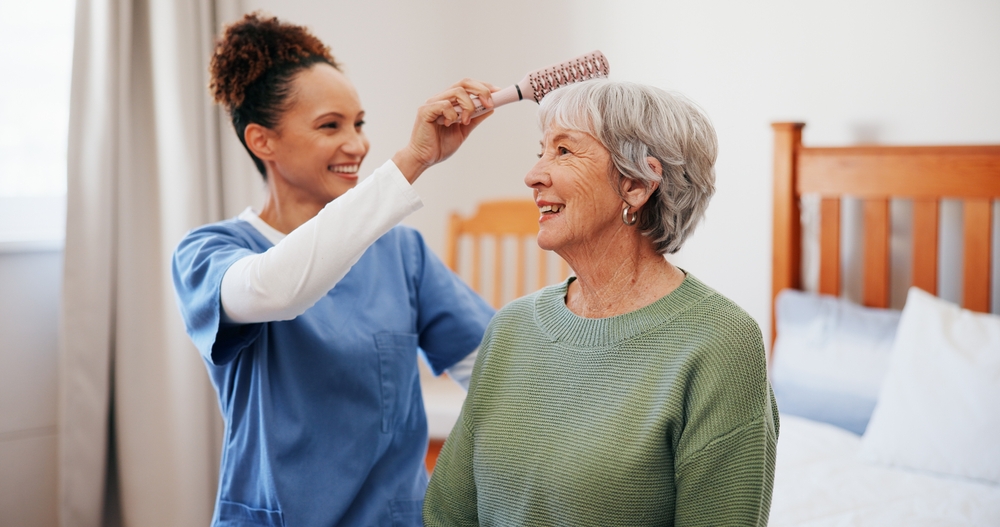
Worsening hygiene and grooming are often the most obvious signs that your loved one is struggling to keep up with daily routines. Look out for unwashed hair, body odor, or unchanged clothing. Additionally, frequent cuts, bruises, or burns are a red flag that they need extra support.
Cognitive and behavioral changes
Frequent memory lapses or uncharacteristic mood changes can pose a threat to your loved one’s health and well-being. Cognitive decline leads to serious problems like medication errors, stovetops left on, missed appointments, or late bills.
Home environment red flags
Even if your loved one insists they’re doing fine — as many will — constant dishes piling up or spoiled food left out indicates they’re struggling to keep up.
Social withdrawal and isolation
For seniors whose social world is tied to a specific neighborhood or community — as it is for so many Queens residents — withdrawal can be both a symptom and a cause of decline. Watch for less involvement in beloved activities, losing touch with friends or family, or fewer outings.
Types of Home Care for Different Stages of Need
One of the best ways you can alleviate your loved one’s concerns about home care is to inform them that care is tailored to their needs — they’ll receive no more and no less than what’s necessary. Depending on the individual’s overall health and care preferences, you can choose from several services offered by Queens home care agencies for seniors.
-
Companionship and check-in services
For those who are fiercely independent but could use extra support and human interaction, companion care is a great first option. Companionship services provide regular visits or calls to check in, assist with errands, and offer social engagement.
-
Personal care and home health aides
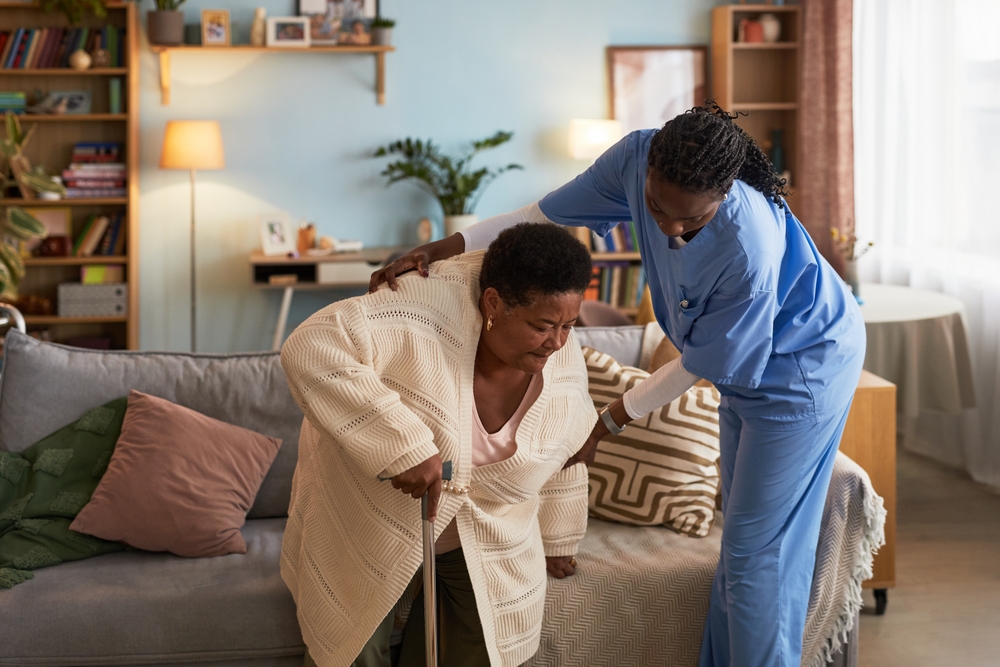
The most common form of home care, home health aides assist with activities of daily living like bathing and meal preparation, as well as medication reminders and appointment management.
-
Skilled nursing and medical support
Skilled nursing care at home is the next step up for those with more complex medical needs. Licensed nurses can help with everything from wound care to injections to physical therapy.
-
24/7 and live-in care options
This is the option families turn to when safety has become a serious concern and a nursing home doesn’t feel like the right fit. Rotating caregivers or live-in support can make all the difference for seniors who prefer to remain in the comfort of their home.
Why Earlier Is Better Than Waiting for a Crisis
It can be hard to admit when your loved ones need home care, but making the decision earlier on often improves health outcomes for seniors. Proactive, light assistance can slow the kind of decline that eventually makes full-time care unavoidable.
What “Waiting Too Long” Typically Looks Like
The last thing you want is to be forced into the conversation after something goes wrong — a fall, a hospitalization, or a close call that finally makes the need impossible to ignore. When families wait too long, they may face issues like:
- Warning signs are rapidly accumulating rather than slowing down
- Being forced to find care under pressure and settling for whatever is first available
- Fewer conversations with the senior about their preferences
How Early Support Preserves Independence Longer
The counterintuitive truth about home care is that bringing in support earlier tends to further independence — not curtail it. Families who act before a crisis typically find that:
- A few hours of help each week can greatly improve well-being, preventing the likelihood of round-the-clock support in the future
- The family member has time to adjust gradually, building trust with an aide while staying in control of their own routine.
- Decisions get made calmly, with more options and more time to get them right.
How to Talk to a Parent Who Resists Help
When a family member pushes back, it helps to understand what’s driving it. Some common concerns are a fear of losing autonomy, a preference for familial care even if it’s off the table, or simply a belief that things aren’t as serious as you think. Acknowledging these valid concerns can help a great deal in furthering the conversation.
Why resistance is normal
It’s easy to feel frustrated when a parent or grandparent refuses help they clearly need — but resistance is an entirely normal part of the process. For someone who has spent decades managing independently, the idea of accepting outside care can feel like a significant loss of identity.
Framing the conversation around independence, not loss
To help your parent or grandparent come to terms with this new stage of life, focus on what home care actually makes possible — staying in their own home, keeping their routine, and maintaining control over their daily life. Rather than taking away their independence, home care can help preserve it for many years to come.
When to involve a doctor or other trusted voice
If direct conversations keep hitting a wall, ask a doctor to raise the subject at the next appointment, or lean on a trusted friend or community figure your family member genuinely respects. Sometimes an outside perspective is all that’s needed to alleviate their concerns.
What Home Care Costs in Queens
Once you’ve decided to seek out home care options, cost is often the biggest concern. The cost of Queens home care for seniors living alone varies widely depending on the level of support needed, but below are the general ranges to help your family plan with confidence.
Hourly and Monthly Cost Ranges
Home health aid services in NYC typically cost between $25 and $40 per hour. For families needing part-time support — around 20 hours a week — expect to budget roughly $2,000 to $3,000 per month. Live-in or round-the-clock care can range from $8,000 to over $15,000 per month, depending on the level of care required.
Factors That Affect Pricing
Home care costs vary based on a few key factors:
- The level of medical training and licensing required
- The number of hours needed per week
- Whether care is needed on weekends or overnight
- Specialized care (e.g., dementia support)
How to Pay for Home Care in Queens
If you’re concerned about the costs of Queens home care for seniors living alone, know that there are several programs worth exploring before assuming it’s out of reach.
Medicare coverage and limitations
While it does not cover long-term or non-medical care, Medicare may cover short-term, medically necessary home health services when a doctor certifies that your family member is homebound and requires skilled care, including:
- Skilled nursing care
- Physical therapy
- Limited home health aide support
Medicaid and managed long-term care in Queens
Medicaid provides several coverage options for long-term care, including:
- Consumer-directed care options, such as Americare’s Personal Care Aide (PCA) program, which allows a family member or other trusted individual to serve as a paid caregiver with full professional support
- Managed Long-Term Care (MLTC) care plans that arrange personal care and home services for seniors who want to remain at home
- The Nursing Home Transition and Diversion (NHTD) program for seniors who are at risk of nursing home placement or transitioning back to community living
Veterans benefits
Queens is home to tens of thousands of veterans, many of whom may not realize the benefits available to them for in-home care. Veterans and their spouses may qualify for:
- Aid and Attendance: a monthly pension supplement for veterans who need help with daily activities
- PCAFC: A stipend, health insurance, and respite care for family caregivers of eligible veterans with a disability rating of 70% or higher
Private pay options
For families who don’t qualify for public programs or need care beyond what’s covered, many agencies — including Americare — offer dedicated private pay home care options. Families typically use long-term care insurance, retirement savings, life insurance conversions, or personal funds to cover costs.
What to Look for When Choosing a Queens Home Care Agency
Choosing the right agency for you and your loved ones is the first step to securing excellent care. Here are some key considerations:
Questions to ask before hiring a home care agency
Before signing with any agency, you’ll want to get a feel for their protocols and services. Consider asking:
- What’s included in the care plan, and how is it adjusted over time?
- How are aides selected, trained, and supervised?
- What’s the protocol if a caregiver is sick or unavailable?
- How does billing work, and are there minimum hour requirements?
- Can you match an aide who speaks my family member’s language?
Licensing and accreditation in New York
Any agency you consider should be licensed by the state Department of Health as a Licensed Home Care Services Agency (LHCSA) — a baseline guarantee that aides are properly trained and safety standards are met. Accreditation from organizations like the Joint Commission signals an agency has voluntarily met an even higher bar.
Red flags to watch for
Be cautious of agencies that aren’t upfront about how they operate. Warning signs include:
- Vague or evasive answers about how aides are screened and trained
- Reluctance to provide references
- Unclear pricing
- High aide turnover
Why local agencies may serve Queens families better
A Queens-based agency understands the borough’s neighborhoods, transit realities, and the diversity of its senior population. Queens is one of the most diverse cities in the world, so the ability to match an aide who speaks Cantonese, Tagalog, or Korean — and who understands the community your family member calls home — makes a meaningful difference in day-to-day care.
Getting Started With Home Care in Queens
Once you’re ready to move forward with senior home care in Queens, here’s what the process typically looks like.
What to expect from an initial assessment
Wondering what to expect from an in-home care assessment? Most agencies begin with a free in-home assessment, during which a care coordinator evaluates needs, discusses preferences, and recommends a care plan.
How quickly can services begin
In most cases, care can begin within a few days of completing an assessment. For families in more urgent situations — such as post-hospitalization — many agencies can move faster.
What families should have ready
Having a few things on hand will help the home care onboarding process move smoothly:
- A list of current medications and any relevant medical history
- A sense of the senior’s daily routine and personal preferences
- Any questions or concerns you want to raise with the care coordinator
Frequently Asked Questions About Queens Home Care for Seniors Living Alone
Does Medicare pay for in-home services for the elderly?
Yes, but with certain limitations. It can only be part-time, intermittent, medically necessary skilled care ordered by a doctor. It does not cover ongoing personal care or companionship services.
What are the signs that my parent needs home care?
Signs that an older adult may need home care include declining personal hygiene, cognitive issues, home safety concerns, medical mismanagement, or withdrawal from normal activities.
What is the 40/70 rule for aging parents?
The 40/70 rule suggests that families start having conversations about aging and senior care when the adult child is around 40 and the parent is around 70. This reduces the odds of rushed decisions made out of urgent necessity.
Should an 80-year-old live alone?
It depends entirely on the individual. Many seniors over 80 can live independently and safely if they are in good health, especially with a strong support system, such as attentive family and/or home care.
What’s the difference between a home health aide and a companion?
A companion provides social support and light assistance but no personal or medical care. A home health aide is trained to assist with bathing, dressing, medications, and other activities of daily living.
Start Exploring Queens Home Care Options for Seniors
Encouraging a parent or grandparent to accept home care is rarely a single conversation — it takes patience, persistence, and validation. Know that emotions often run high, but once they settle, you and your loved ones will have greater peace of mind and a path to long-term wellbeing.
Americare’s team is here to help you move forward with confidence. We service all five boroughs of New York, offering a range of home care options for seniors in Manhattan, Queens, Brooklyn, The Bronx, and Staten Island. Request a free home care assessment or contact our team with any questions.